Middle East
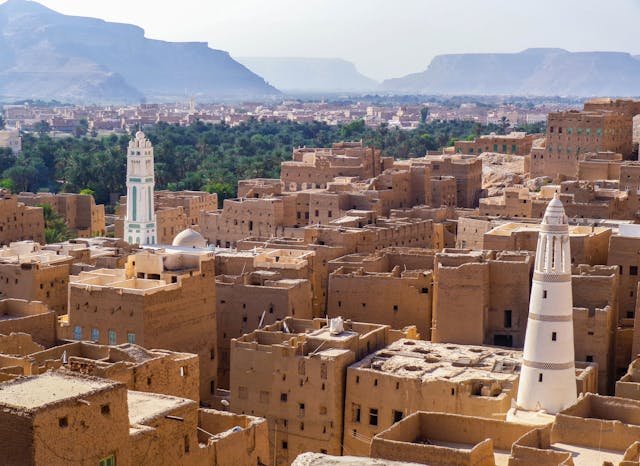
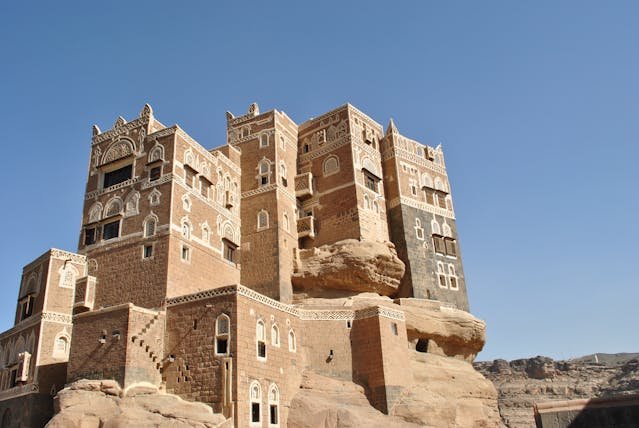
YemenYemen, a land steeped in rich history and blessed with stunning landscapes, beckons adventurous spirits to explore its hidden treasures; immerse yourself in the captivating architecture of Sana'a, where the iconic high-rise mud-brick buildings stand as narrators of a bygone era, reflecting the resilience and creativity of its inhabitants, and embark on a journey to the mesmerizing Socotra Island, often referred to as the Galapagos of the Indian Ocean due to its astonishing and one-of-a-kind flora and fauna that can be found nowhere else on our planet. This enthralling destination intricately weaves a vibrant tapestry of ancient culture and breathtaking natural beauty, ensuring that every traveler encounters unforgettable experiences that resonate long after their journey has concluded.



Comprehensive Travel Guide to Yemen
General Information
- Capital City: Sana'a
- Population: 32,140,443
- Currency: Yemeni Rial (YER)
- Time Zone: Arabian Standard Time (AST), UTC+3
- Official Language: Arabic
- Dialing Code:+967
- Driving Side: Right
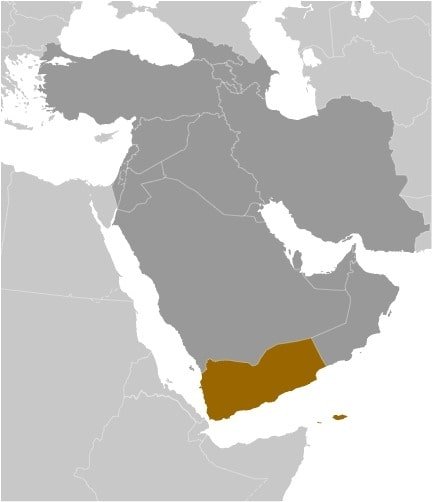
Yemen, located on the southern tip of the Arabian Peninsula, is a land steeped in history, culture, and natural beauty. Known for its ancient architecture, bustling markets, and breathtaking landscapes, Yemen offers a unique experience for those who venture to explore it.
Language and Communication
- Primary Language: Arabic
- English Proficiency: Limited, mostly spoken in business and tourist areas.
- Helpful Phrases in Arabic:
- Hello: "As-salamu alaykum" (السلام عليكم)
- Thank you: "Shukran" (شكراً)
- How much?: "Kam al-thaman?" (كم الثمن؟)
- Where is…?: "Ayna…?" (أين…؟)
Learning a few Arabic phrases is highly recommended for better communication.
Emergency Numbers
- Police: 194
- Ambulance: 191
- Fire Services: 191
Currency and Money
- Currency Used: Yemeni Rial (YER)
- Credit Cards: Limited acceptance; mostly cash-based economy.
- ATMs: Available in major cities but often unreliable.
- Currency Exchange: Best done in banks or official exchange offices.
Carry cash, especially in rural areas where card payments are not accepted.
Electricity and Plugs
- Voltage: 230 V
- Frequency: 50 Hz
- Plug Types: Type A, D, and G
- Adapter Needed: Yes, if your devices use a different plug type.
Safety and Health
Safety
- Yemen faces ongoing political instability, making travel risky in some areas.
- Research travel advisories and seek local guidance before planning a trip.
- Avoid conflict zones and always travel with trusted local guides.
Health
- Healthcare: Limited medical facilities; major hospitals are in Sana'a and Aden.
- Vaccinations: Recommended vaccinations include Hepatitis A and B, Typhoid, and Yellow Fever.
- Water: Avoid tap water; stick to bottled or boiled water.
Comprehensive travel insurance is essential, including coverage for medical evacuation.
Transportation
- Domestic Flights: Limited connections between cities like Sana'a and Aden.
- Roads: Roads are often in poor condition; a 4x4 vehicle is recommended.
- Taxis: Widely available in cities, but fares should be negotiated in advance.
- Public Transport: Buses and shared taxis are the primary modes of transport.
Activities and Attractions
Cultural and Historical Sites
- Old City of Sana’a: A UNESCO World Heritage Site with distinctive mud-brick buildings and ancient mosques.
- Shibam: Known as the "Manhattan of the Desert," this city features stunning skyscrapers made of mud.
- Socotra Island: Famous for its otherworldly landscapes and unique flora, like the Dragon Blood Tree.
- Marib: Home to the ruins of the ancient Sabaean kingdom, including the Great Marib Dam.
Natural Wonders
- Hadramaut Valley: A picturesque valley with traditional villages and palm groves.
- Socotra Beaches: Pristine beaches perfect for relaxation and nature exploration.
- Hawf Protected Area: A lush, forested area known for its biodiversity.
Food and Cuisine
Traditional Dishes
- Saltah: A meat stew with vegetables, served with a fenugreek foam topping.
- Fahsa: A slow-cooked beef or lamb stew with spices.
- Bint al-Sahn: A honey-topped pastry served with clarified butter.
- Mandi: A fragrant rice and meat dish cooked underground.
Dining Tips
- Local markets and street vendors offer authentic Yemeni flavors.
- Tipping is appreciated but not mandatory (5-10%).
Shopping and Souvenirs
- Jambiya Daggers: Traditional curved daggers worn by Yemeni men.
- Silver Jewelry: Intricate designs that reflect Yemeni craftsmanship.
- Frankincense and Myrrh: Aromatic resins often used in traditional ceremonies.
- Handwoven Baskets: Crafted by local artisans, often vibrant and colorful.
Explore souks (markets) for the best deals and authentic finds.
Festivals and Events
- Ramadan (Date varies): A holy month of fasting and reflection, followed by Eid celebrations.
- Eid al-Fitr and Eid al-Adha: Major Islamic festivals marked by feasting and family gatherings.
- Socotra Cultural Festival: Celebrates the unique heritage and traditions of Socotra Island.
Suggested Itineraries
3-Day Itinerary
Day 1: Explore the Old City of Sana’a, visit the Great Mosque, and enjoy local cuisine.
Day 2: Take a day trip to Shibam and Marib for historical and architectural marvels.
Day 3: Fly to Socotra Island for its unique landscapes and natural beauty.
7-Day Itinerary
Day 1-2: Immerse yourself in Sana’a’s heritage sites and vibrant souks.
Day 3-4: Visit Shibam and Hadramaut Valley for cultural and natural exploration.
Day 5-6: Discover Socotra Island’s beaches and flora.
Day 7: Return to Sana’a, shop for souvenirs, and enjoy a traditional Yemeni feast.
Best Time to Visit
- Winter (October–March): Pleasant temperatures and ideal for exploring cities and deserts.
- Socotra (November–February): Cooler weather and perfect for outdoor activities.
Connectivity
- Wi-Fi: Available in hotels and some cafes, but connections can be slow.
- SIM Cards: Purchase a local SIM from providers like Yemen Mobile or MTN Yemen.
- Apps to Download:
- Google Translate
- Maps.me (offline maps for remote areas)
Conclusion
Yemen’s rich history, cultural heritage, and natural wonders make it a fascinating destination for the adventurous traveler. Despite current challenges, those who can visit will find an unforgettable mix of ancient traditions, warm hospitality, and breathtaking scenery. Always prioritize safety and plan your trip with local expertise for the best experience.