Australia and Oceania
Wake IslandDiscover the enchanting allure of Wake Island, a hidden gem in the heart of the Pacific, where time stands still and nature reigns supreme. This unspoiled paradise offers an intimate escape from the hustle and bustle of modern life, inviting you to immerse yourself in its untouched landscapes and vibrant coral reefs. Here, the gentle whispers of the ocean accompany you as you explore the rich Polynesian culture and captivating traditions that breathe life into this extraordinary destination. With its tranquil shores and abundant marine life, Wake Island presents a rare opportunity for reflection, adventure, and connection to the sublime beauty of our world. Embrace the journey to this remote sanctuary and let the soulful serenity of Wake Island awaken your spirit of exploration.


Comprehensive Travel Guide to Wake Island
(A Remote U.S. Territory in the Pacific Ocean)
General Information
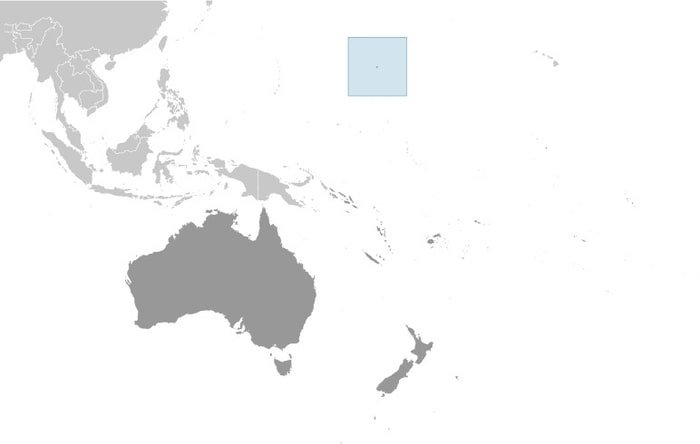
- Location: North Pacific Ocean, approximately halfway between Hawaii and Guam
- Status: Unincorporated U.S. Territory, administered by the U.S. Air Force
- Capital City: None (Main settlement: Wake Atoll Airfield)
- Population: No permanent residents (U.S. military and contractors only)
- Currency: United States Dollar (USD)
- Time Zone: Wake Island Time (WAKT) UTC +12
- Official Language: English
- Dialing Code: N/A (Military and satellite communication only)
- Driving Side: Right
Overview
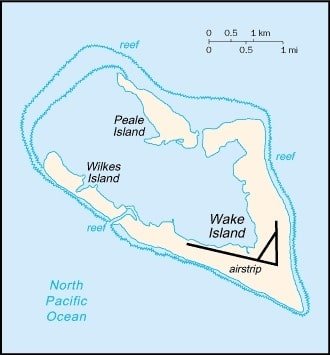
Wake Island is a highly restricted U.S. military installation, making it off-limits to civilians unless authorized by the U.S. Air Force. It consists of three small islets—Wake, Wilkes, and Peale—forming a triangular coral atoll. Best known for its strategic military importance, World War II history, and unspoiled marine ecosystem, the island serves as an emergency landing site for military aircraft and a wildlife refuge.
Key Features:
One of the Most Isolated U.S. Territories – No public tourism or commercial access.
Strategic Military Outpost – Controlled by the U.S. Air Force and essential for Pacific defense.
Historic WWII Battle Site – Wake Island was attacked by Japan in 1941 and occupied until 1945.
Pristine Marine Environment – Part of the Pacific Remote Islands Marine National Monument.
How to Get There (Military Access Only)
No Public Transport or Commercial Flights
Only Possible Entry Options:
- U.S. Military & Government Personnel – Those on official duty or assigned to the base.
- Scientific Research Expeditions – Conducted under special government permits.
- Emergency Landings & Air Force Missions – Occasionally used as a stopover or refueling site.
- Occasional Historic or Environmental Studies – Very limited and require high-level clearance.
Flights to Wake Island:
- Only U.S. military aircraft (such as from Andersen AFB, Guam) land here.
- No commercial airlines operate flights.
Top Attractions & Points of Interest
(For those with authorized access only)
1. Wake Island Airfield (Main Base Area)
- The center of operations, where military personnel and contractors work.
- Houses runways, barracks, and a few operational buildings.
2. WWII Memorials & Battle Sites
- Wake Island War Memorial: Honors the 98 American POWs executed by the Japanese in 1943.
- Gun Emplacements & Bunkers: Old coastal defense structures remain from the war.
- Japanese & American War Relics: Artifacts, pillboxes, and air raid shelters.
3. Wilkes and Peale Islets
- Secluded, undeveloped islets with protected wildlife habitats.
- Access is highly restricted for conservation reasons.
4. Marine Conservation Zone & Pristine Reefs
- Wake Island’s waters are home to sharks, rays, and coral reef ecosystems.
- No fishing, diving, or water activities are allowed without special research permits.
Wildlife & Natural Environment
Wake Island is part of the Pacific Remote Islands Marine National Monument.
1. Marine Life
- Rich coral reef ecosystem with tropical fish, reef sharks, manta rays, and sea turtles.
- Strict environmental protections limit human activity in surrounding waters.
2. Seabirds
- Home to migratory birds like frigatebirds, terns, and boobies.
- Nesting colonies are protected by the U.S. Fish and Wildlife Service.
3. Minimal Vegetation
- Sparse, wind-swept landscape with some coconut palms and native grasses.
- Introduced species from past human activity, but now under conservation management.
Restricted Activities & Safety Considerations
Activities NOT Permitted Without Authorization:
No Tourism or Civilian Visits
No Diving, Snorkeling, or Fishing
No Commercial Developments or Accommodations
No Independent Travel
Strict Security & Environmental Rules Apply:
- Military personnel must follow Air Force regulations at all times.
- Severe Weather Risks: Typhoons and tropical storms are possible.
- Limited Medical Facilities: Only basic medical aid is available.
Accommodation & Facilities (For Authorized Personnel Only)
Military Lodging & Base Housing
- Basic barracks-style accommodation for workers and visiting officials.
- No hotels, resorts, or public lodging available.
Food & Supplies
- Small mess hall and base commissary for authorized personnel.
- No restaurants, grocery stores, or commercial services.
Communication & Internet
- Limited satellite communications for military and official use.
- No public Wi-Fi, mobile networks, or civilian telecommunication infrastructure.
Climate & Best Time to Visit (If Authorized)
Tropical Climate with High Humidity
- Average Temperature: 26–32°C (79–90°F) year-round
- Rainy Season: July–November (increased typhoon risk)
- Dry Season: December–June (calmer weather, lower humidity)
Entry Requirements & Travel Tips
Strict U.S. Military Authorization Required – No public entry.
Must Follow All Security & Environmental Rules – Wake is a protected site.
Self-Sufficiency is Key – Bring essential supplies if part of an authorized group.
Respect Military & Historical Sites – Wake Island has a deep WWII legacy.
Prepare for Harsh Conditions – Extreme heat, strong winds, and isolation.
Conclusion
Wake Island is one of the most restricted and strategically important U.S. territories, with no public tourism or commercial access. Its military presence, WWII history, and pristine marine environment make it a fascinating place, but one that remains largely off-limits except for authorized personnel, researchers, and government missions.
Unless you have official clearance, visiting Wake Island is not possible. However, its historical significance and role in Pacific defense remain of great interest to history buffs and military enthusiasts.