South America
UruguayNestled between the expansive Atlantic coastline and the undulating hills of South America, Uruguay warmly invites you to immerse yourself in its vibrant culture and breathtaking landscapes, ranging from the sun-kissed beaches of Punta del Este to the charming, historic cobblestone streets of Colonia del Sacramento, a UNESCO World Heritage site. This small yet captivating country offers an enchanting blend of rich history, artistic expression, and stunning natural beauty, establishing it as a perfect destination for travelers in search of a unique escape. Here, you can indulge in world-class wines, savor exquisite cuisine crafted with local ingredients, and experience the warm hospitality of a nation deeply rooted in tradition and charm, making each moment spent in Uruguay a delightful adventure.


Comprehensive Travel Guide to Uruguay
General Information
- Capital City: Montevideo
- Population: 3,425,330
- Currency: Uruguayan Peso (UYU)
- Time Zone: Uruguay Standard Time (UTC-3)
- Official Language: Spanish
- Dialing Code: +598
- Driving Side: Right
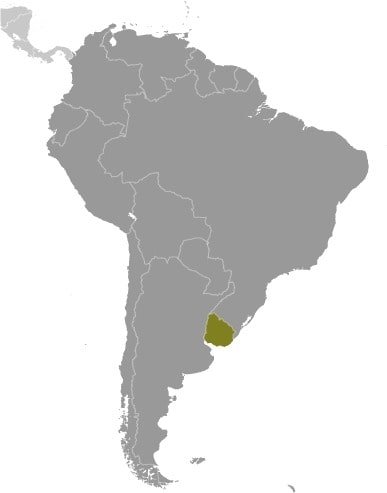
Uruguay, the second smallest country in South America, is renowned for its stunning beaches, relaxed vibe, and progressive culture. With its rich colonial history, vibrant cities, and breathtaking coastal landscapes, Uruguay is a hidden gem that beckons travelers seeking tranquility and cultural richness.
Language and Communication
- Primary Language: Spanish
- English Proficiency: Limited but improving, especially in tourist areas.
- Helpful Phrases:
- Hello: "Hola"
- Thank you: "Gracias"
- Please: "Por favor"
- Where is…?: "¿Dónde está…?"
- Bathroom: "Baño"
Download translation apps like Google Translate for convenience.
Emergency Numbers
- General Emergency: 911
Currency and Money
- Credit Cards: Widely accepted in cities and tourist hotspots.
- ATMs: Accessible throughout urban areas and coastal regions.
- Currency Exchange: Available at airports, banks, and exchange offices.
Uruguay is largely cash-friendly, but electronic payments are encouraged for convenience.
Electricity and Plugs
- Voltage: 230 V
- Frequency: 50 Hz
- Plug Types: Type C, F, and L
- Adapter Needed: Yes, if your country uses a different plug type.
Safety and Health
Safety
- Crime Rate: Generally low, but exercise caution in urban areas for petty theft.
- Natural Hazards: Rare but watch for beach safety signs regarding tides.
Health
- Healthcare: High-quality medical services are available in cities.
- Vaccinations: Routine vaccinations are sufficient.
- Water Quality: Tap water is safe to drink.
Travel insurance is recommended for all visitors.
Transportation
Public Transport
- Buses: Affordable and efficient for intercity travel.
- Taxis and Rideshares: Taxis are common; rideshare apps like Uber are available in Montevideo.
Driving
- Roads are well-maintained, making renting a car a great option for exploring rural areas and beaches.
- Speed limits are strictly enforced.
Activities and Attractions
Urban Highlights
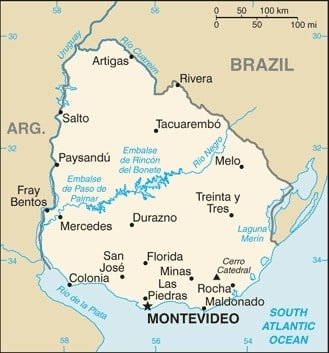
- Montevideo:
- Ciudad Vieja: The historic old town with colonial buildings and markets.
- Rambla: A 13-mile coastal promenade perfect for strolling or cycling.
- Mercado del Puerto: A food market showcasing Uruguayan cuisine.
- Colonia del Sacramento:
- A UNESCO World Heritage Site known for its cobblestone streets and colonial architecture.
- Visit the iconic Lighthouse and Plaza Mayor.
- Punta del Este:
- Luxurious beaches, high-end resorts, and vibrant nightlife.
- Don’t miss the Hand of Punta del Este sculpture on the beach.
Nature and Outdoor Adventures
- Cabo Polonio:
- A remote village with pristine beaches and a large sea lion colony.
- Enjoy stargazing in one of Uruguay’s least light-polluted areas.
- Laguna Garzón:
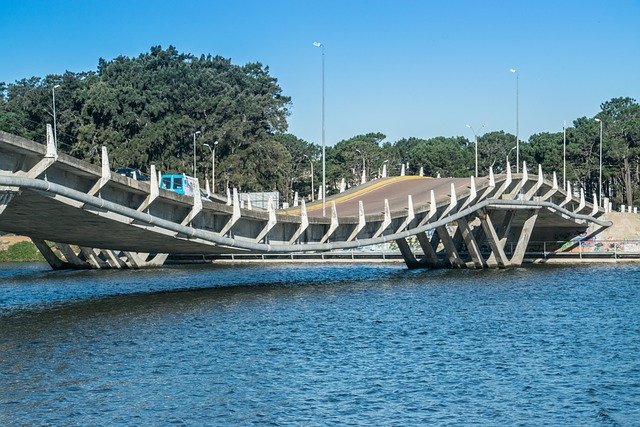
- Known for its unique circular bridge and tranquil waters.
- Hot Springs in Salto:
- Ideal for relaxation and wellness seekers.
- Uruguayan Wine Country (Canelones):
- Home to Tannat wines, Uruguay’s flagship variety.
- Take a wine-tasting tour at local vineyards.
Food and Cuisine
Traditional Dishes
- Asado: Barbecued meats, a cornerstone of Uruguayan cuisine.
- Chivito: A hearty sandwich filled with beef, cheese, lettuce, tomato, and other toppings.
- Empanadas: Savory pastries stuffed with meat, cheese, or vegetables.
- Dulce de Leche: A caramel-like treat used in desserts.
Dining Tips
- Tipping is appreciated but not mandatory; around 10% is common in restaurants.
- Vegetarians may find limited options in traditional eateries but increasing choices in urban areas.
Shopping and Souvenirs
- Mate Sets: Traditional tea gourds and straws for drinking yerba mate.
- Leather Goods: High-quality bags, shoes, and belts.
- Artisan Crafts: Handmade pottery and jewelry.
- Uruguayan Wine: Tannat varieties make excellent gifts.
Shopping streets like Avenida 18 de Julio in Montevideo offer a variety of options.
Festivals and Events
- Carnival (February-March): Celebrated for over 40 days with parades, music, and dance.
- Semana Santa (Holy Week): Religious and cultural events across the country.
- Patria Gaucha (March): A celebration of gaucho (cowboy) culture in Tacuarembó.
- Punta del Este International Film Festival (January): A must for cinema enthusiasts.
Suggested Itineraries
3-Day Itinerary
Day 1: Explore Montevideo (Ciudad Vieja, Rambla, Mercado del Puerto).
Day 2: Day trip to Colonia del Sacramento.
Day 3: Relax at the beaches of Punta del Este.
7-Day Itinerary
Day 1-2: Montevideo’s cultural and historical highlights.
Day 3: Visit Colonia del Sacramento.
Day 4-5: Explore the beaches and nightlife in Punta del Este.
Day 6: Head to Cabo Polonio for a peaceful retreat.
Day 7: Enjoy wine tasting in Canelones before departure.
Best Time to Visit
- Summer (December-February): Ideal for beach vacations and outdoor festivals.
- Autumn (March-May): Mild weather, perfect for sightseeing and wine tours.
- Winter (June-August): Quiet and cool, with fewer tourists.
- Spring (September-November): Blooming landscapes and pleasant weather.
Connectivity
- Wi-Fi: Free and widely available in cities and hotels.
- SIM Cards: Purchase prepaid SIMs from companies like Antel, Movistar, or Claro.
- Apps to Download:
- Moovit (for public transport routes)
- Google Maps
- Uber
Conclusion
Uruguay’s charm lies in its blend of laid-back coastal towns, vibrant cities, and lush countryside. Whether you’re indulging in world-class wines, soaking up the sun on pristine beaches, or exploring historic landmarks, Uruguay promises an enriching and relaxing experience. Its warm hospitality and progressive values make it a unique destination in South America.