Africa
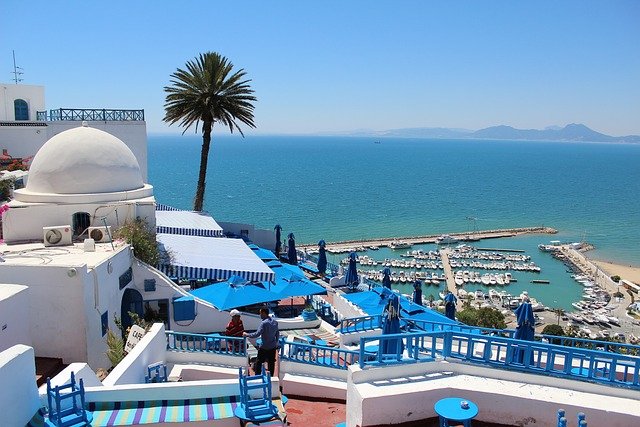
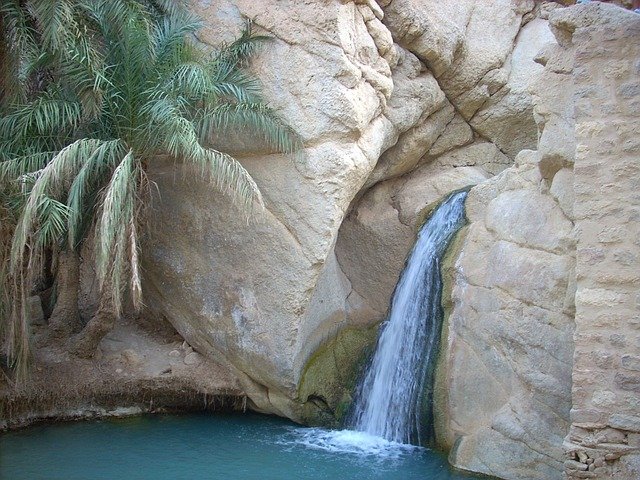
TunisiaStep into the enchanting embrace of Tunisia, where golden sands meet azure seas, and history whispers through the narrow streets of ancient medinas. Here, vibrant souks burst with color and life, inviting you to explore their treasures—from intricately woven carpets to exquisite pottery, each piece tells a story of craftsmanship and tradition. Marvel at the majestic ruins of Carthage, where the echoes of past civilizations linger among the olive trees, or lose yourself in the serene beauty of the Sahara, where the starry night sky creates a magical backdrop for unforgettable moments. Tunisia offers a rich tapestry of experiences, from savoring aromatic spices in traditional dishes to soaking up the sun along pristine coastlines, making it a perfect destination for your next adventure.
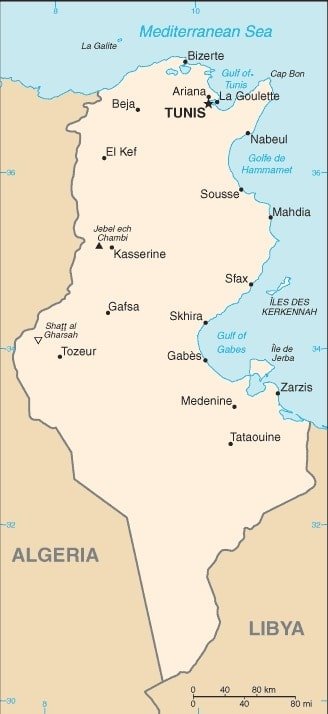
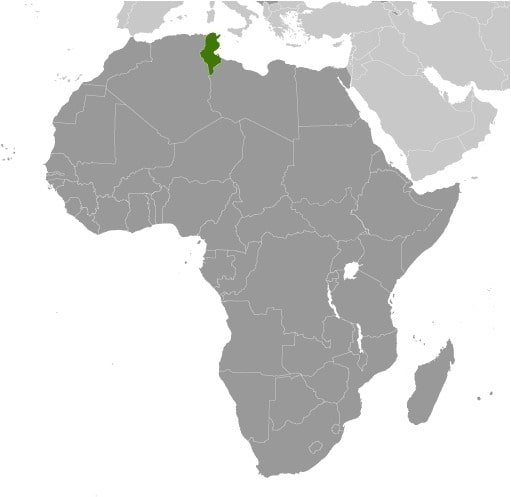
Comprehensive Travel Guide to Tunisia
General Information
- Capital City: Tunis
- Population: 12,048,847
- Currency: Tunisian Dinar (TND)
- Time Zone: Central European Time (CET), UTC+1
- Official Language: Arabic (French widely spoken)
- Dialing Code: +216
- Driving Side: Right
Tunisia, located in North Africa, is a land of rich history, sun-soaked Mediterranean beaches, and captivating desert landscapes. It offers visitors a blend of ancient ruins, traditional souks, and vibrant modern cities.
Language and Communication
- Primary Language: Arabic
- Secondary Language: French is widely spoken, especially in urban areas.
- Helpful Phrases:
- As-salamu alaykum (Hello/Peace be upon you)
- Shukran (Thank you)
- Kif halek? (How are you?)
- Bikam hadha? (How much is this?)
- Download apps like Google Translate or Arabic language apps to assist in communication.
Emergency Numbers
- Police: 197
- Ambulance: 190
- Fire: 198
Currency and Money
- Credit Cards: Accepted in urban centers and tourist areas but not always in rural regions.
- ATMs: Widely available in cities; ensure your card is enabled for international use.
- Currency Exchange: Available at airports, banks, and official exchange offices.
- Tip: Carry some cash for small transactions as Tunisia is still primarily a cash-based society.
Electricity and Plugs
- Voltage: 230 V
- Frequency: 50 Hz
- Plug Types: Type C and E (European-style plugs)
- Adapter Needed: Yes, if your country uses a different plug type.
Safety and Health
Safety
- Tunisia is generally safe for tourists, but petty theft such as pickpocketing can occur.
- Be cautious in crowded areas and avoid discussing political issues openly.
Health
- Healthcare: Adequate in urban centers but limited in rural areas. Travel insurance is highly recommended.
- Vaccinations: Routine vaccinations are sufficient; consider Hepatitis A and Typhoid if visiting rural areas.
- Water: Bottled water is recommended, especially outside major cities.
Transportation
Public Transport
- Buses: Affordable and reliable but may be crowded.
- Trains: Connect major cities like Tunis, Sfax, and Sousse; comfortable and economical.
- Taxis: Yellow taxis are metered; negotiate the fare for long distances.
- Louages: Shared minivans used for intercity travel, popular among locals.
Driving
- Roads are well-maintained in urban areas but can be challenging in rural and desert regions.
- Renting a car is an excellent way to explore off-the-beaten-path locations.
Activities and Attractions
Urban Highlights
- Tunis:
- Explore the Medina of Tunis, a UNESCO World Heritage site.
- Visit the Bardo National Museum, home to ancient Roman mosaics.
- Sousse:
- Discover the Ribat, an Islamic fortress.
- Relax at the sandy beaches and enjoy water sports.
- Hammamet:
- Known for its resorts, medinas, and the tranquil Hammamet Kasbah.
Historical Sites
- Carthage:
- Walk through ancient Roman ruins and the Punic Ports.
- El Djem:
- Marvel at the impressive Roman amphitheater, one of the best-preserved globally.
- Kairouan:
- Visit the Great Mosque, an iconic Islamic site.
Nature and Outdoor Adventures
- Sahara Desert:
- Go camel trekking or take a 4x4 safari.
- Stay in a Berber tent under the stars.
- Matmata:
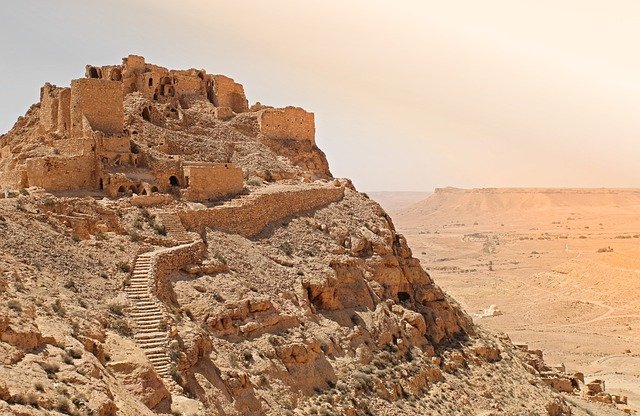
- Explore unique troglodyte dwellings featured in the Star Wars movies.
- Cap Bon Peninsula:
- Enjoy vineyards, beaches, and the Kerkouane archaeological site.
Food and Cuisine
Traditional Dishes
- Couscous: A staple dish served with vegetables, meat, or fish.
- Brik: Thin pastry filled with egg, tuna, or meat, deep-fried to perfection.
- Harissa: A spicy chili paste used as a condiment or ingredient.
- Shakshuka: A flavorful dish of poached eggs in a spiced tomato sauce.
- Bambalouni: A popular fried dough dessert.
Dining Tips
- Tipping is appreciated, typically 10% in restaurants.
- Many restaurants offer vegetarian options, but inquire beforehand.
- Alcohol is available in licensed establishments despite Tunisia being a predominantly Muslim country.
Shopping and Souvenirs
- Handmade Ceramics: Vibrant pottery from Nabeul.
- Tunisian Carpets: High-quality rugs and kilims.
- Olive Oil: Renowned for its purity and flavor.
- Silver Jewelry: Intricate Berber designs.
- Leather Goods: Traditional slippers, bags, and belts.
Festivals and Events
- Carthage International Festival (July-August): Features music, theater, and dance performances.
- Douz International Festival (December): Celebrates Saharan culture with camel races and Bedouin traditions.
- Medina Festival (May): Showcases traditional crafts, music, and cuisine.
- Ramadan: A month of fasting; non-Muslims should respect local customs during this time.
Suggested Itineraries
3-Day Itinerary
- Day 1: Explore Tunis, including the Medina and Carthage.
- Day 2: Visit El Djem and its Roman amphitheater.
- Day 3: Relax in Hammamet and enjoy its beaches.
7-Day Itinerary
- Day 1-2: Discover Tunis and Carthage.
- Day 3: Travel to Sousse and enjoy its historical sites and beaches.
- Day 4: Visit Kairouan’s Great Mosque and Medina.
- Day 5: Head to the Sahara for an overnight desert experience in Douz.
- Day 6: Explore Matmata and its unique architecture.
- Day 7: Return to Hammamet or Tunis for a relaxing day.
Best Time to Visit
- Spring (March-May): Pleasant weather with blooming landscapes.
- Autumn (September-November): Ideal for exploring the desert and beaches.
- Winter (December-February): Cooler temperatures, perfect for cultural tours.
Connectivity
- Wi-Fi: Available in most hotels and cafes.
- SIM Cards: Purchase from local providers like Ooredoo, Tunisie Telecom, or Orange for data.
- Apps to Download:
- Google Maps: For navigation.
- Visit Tunisia: Official tourism guide.
Conclusion
Tunisia offers a delightful mix of history, culture, and natural beauty. From exploring ancient ruins and vibrant medinas to relaxing on pristine beaches and embarking on desert adventures, Tunisia caters to all types of travelers. Its warm hospitality, diverse attractions, and rich culinary traditions make it an unforgettable destination.