Australia and Oceania
TokelauNestled in the heart of the South Pacific, Tokelau beckons with its serene beauty and vibrant culture, offering travelers a unique escape into a world where time slows down and nature reigns supreme. This idyllic atoll nation, composed of three coral atolls, invites you to immerse yourself in rich traditions and connectedness with the ocean, where every wave tells a story and every sunset paints a picture of tranquility. Experience the warmth of the Tokelauan spirit through community gatherings, savor fresh seafood delicacies, and bask in the endless inviting warmth of the tropical sun. Here, the rhythm of life flows as gently as the tides, making Tokelau a dream destination for those seeking peace, adventure, and unforgettable memories.


Comprehensive Travel Guide to Tokelau
(A Remote Polynesian Paradise in the South Pacific)
General Information
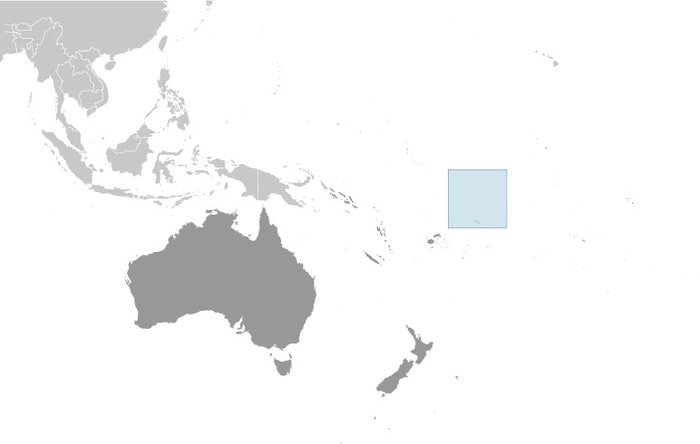
- Location: South Pacific Ocean, north of Samoa
- Status: Dependent territory of New Zealand (self-administering)
- Capital: None (Each atoll has its own administrative center)
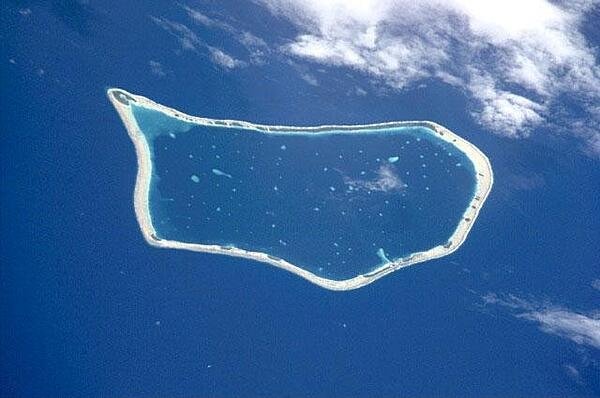
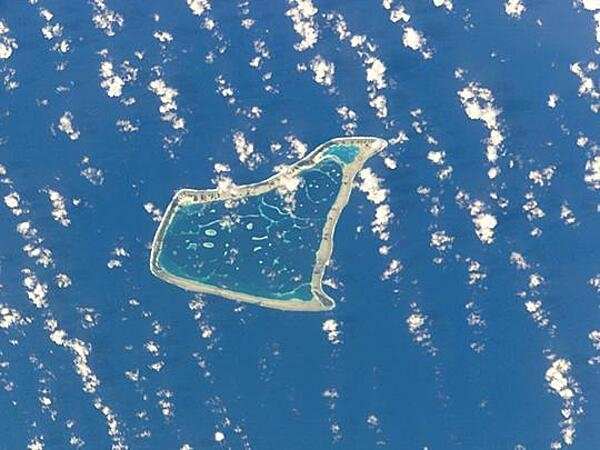
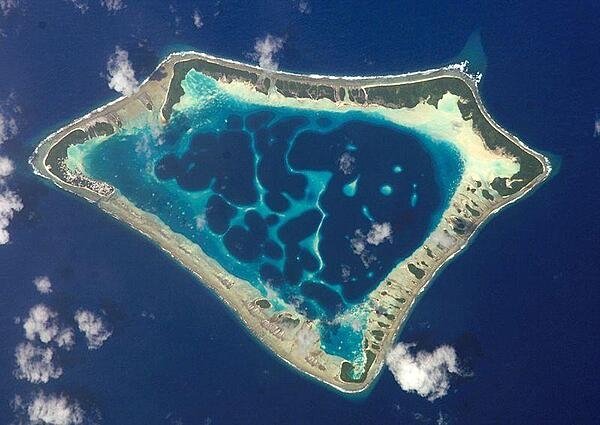
- Main Atolls: Fakaofo, Nukunonu, Atafu
- Population: ~1,500
- Currency: New Zealand Dollar (NZD)
- Time Zone: TKT (Tokelau Time) UTC +13
- Official Languages: Tokelauan, English
- Dialing Code: +690
- Driving Side: Left (but very few vehicles exist)
Overview
Tokelau is one of the most remote places on Earth, consisting of three coral atolls (Fakaofo, Nukunonu, and Atafu) spread across the Pacific Ocean. With no airport and only boat access from Samoa, it remains untouched by mass tourism. The atolls are known for their crystal-clear lagoons, vibrant Polynesian culture, and pristine marine life.
Unique Features
One of the Most Isolated Places in the World – No airport, no large-scale tourism.
Traditional Polynesian Lifestyle – The community follows subsistence fishing and farming.
Strong Environmental Protection – Tokelau runs on 100% solar power and promotes marine conservation.
Strict Immigration Rules – Only New Zealand citizens or special permit holders can stay long-term.
How to Get There
By Boat (The Only Way!)
- From Samoa: A government-run ferry service departs from Apia, Samoa, every two weeks.
- Journey Time: 24–30 hours (depending on sea conditions).
- Boat Options:
- Mataliki (Primary passenger ferry)
- PB Matua (Cargo ship, sometimes takes passengers)
- Booking: Must be arranged through the Tokelau Liaison Office in Apia, Samoa.
No Airports: The nearest airport is in Samoa, from where you must take the ferry.
Top Destinations & Attractions
1. Fakaofo Atoll – The Cultural Hub
Fakaofo is the most populated atoll and the historical heart of Tokelauan culture.
- Village Life: Experience traditional Polynesian houses (fale) and community living.
- Fakaofo Lagoon: A perfect spot for snorkeling and fishing.
- Tokelau History & Myths: Explore the local legends of Fakaofo’s Tui Tokelau (sacred god figure).
2. Nukunonu Atoll – The Largest & Most Developed
Tokelau’s largest atoll, known for its Catholic heritage and marine biodiversity.
- Catholic Church of Nukunonu: The largest church in Tokelau, reflecting the island’s deep religious traditions.
- Best Beaches & Diving: Nukunonu has the best coral reefs for snorkeling and scuba diving.
- Tokelau Resort (Only Hotel in Tokelau!): If you want a place to stay, this is the only accommodation option.
3. Atafu Atoll – The Fishing Haven
The smallest but most traditional atoll, where outrigger canoes are still used for fishing.
- Lagoon Fishing Trips: Learn ancient Tokelauan fishing techniques.
- Wildlife & Birdwatching: Atafu is home to seabird colonies and coconut crabs.
- Solar Energy Village: Experience 100% renewable energy living.
Wildlife & Marine Life
Tokelau’s rich marine biodiversity makes it a hidden paradise for nature lovers.
1. Coral Reefs & Marine Life
- Home to clownfish, parrotfish, reef sharks, and sea turtles.
- Some of the healthiest coral reefs in the Pacific due to minimal human impact.
2. Seabirds & Coconut Crabs
- Large seabird populations, including frigatebirds, terns, and boobies.
- Coconut crabs, the world’s largest land crabs, are a local delicacy.
3. Whale & Dolphin Watching
- Humpback whales migrate past Tokelau between July and October.
- Dolphins can be seen playing in the lagoons and open ocean.
Activities & Adventures
1. Snorkeling & Scuba Diving
- Pristine coral reefs around Nukunonu and Atafu.
- Shark encounters and sea turtle spotting are common.
2. Traditional Fishing
- Try hand-line fishing or watch locals use stone weirs (ancient fish traps).
3. Lagoon Kayaking & Outrigger Canoeing
- Paddle through the calm turquoise waters of the atolls.
4. Cultural Experiences
- Tokelauan Dance & Music: Locals perform haka-style dances and drum beats.
- Handicrafts & Weaving: Watch women craft woven mats and hats from pandanus leaves.
Where to Stay (Limited Options!)
Accommodation in Tokelau is extremely limited!
- Tokelau Resort (Nukunonu) – The only guest lodge in Tokelau.
- Homestays: Possible in Fakaofo and Atafu, but must be arranged through locals.
- Camping: Only possible with permission from local councils.
Food & Local Cuisine
Tokelauan food is based on fresh seafood, coconut, and root vegetables.
- Fresh Tuna & Reef Fish – Often grilled or dried.
- Lobster & Coconut Crab – Local delicacies.
- Pulaka (Swamp Taro) – A staple carbohydrate.
- Poke (Raw Fish Salad) – A Pacific Island favorite.
- Tropical Fruits: Papaya, coconut, and breadfruit.
- Traditional Earth Oven (Umu Cooking): Special occasions feature food cooked underground.
No Restaurants! – All meals are prepared in homes or community settings.
Practical Information & Travel Tips
Entry Requirements: No visa needed for New Zealand citizens; others must get special permission.
Cash Only: No ATMs, no banks. Bring New Zealand Dollars (NZD).
Limited Internet & Mobile Service: Only available in Nukunonu (expensive & slow).
Bring Essentials: No supermarkets, limited medical facilities. Stock up in Samoa before traveling.
Respect Local Customs: Tokelau has strong Christian traditions – dress modestly and avoid loud behavior on Sundays.
Electricity: 100% solar-powered, but power is rationed at night.
Best Time to Visit
Dry Season (May – October): Best weather, calm seas, easier boat travel.
Wet Season (November – April): Heavy rains, tropical storms possible.
Conclusion
Tokelau is one of the last truly untouched destinations on Earth. With no airport, no commercial tourism, and a deeply traditional Polynesian way of life, it offers a rare opportunity to experience a pure, remote island culture.