East and Southeast Asia
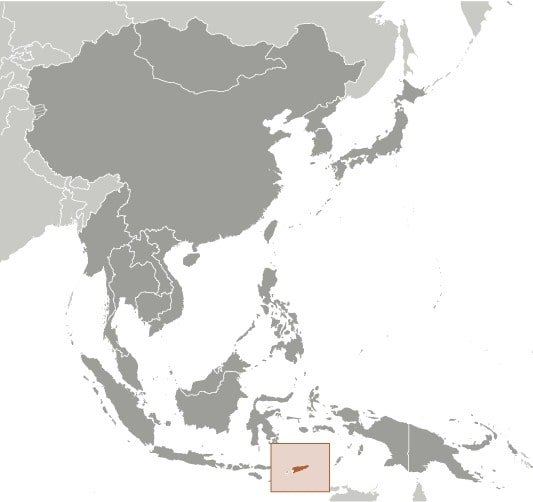
Timor-LesteNestled in the heart of East and Southeast Asia, Timor-Leste awaits with its breathtaking landscapes, vibrant culture, and warm-hearted locals, making it a hidden gem for adventurous travelers seeking authenticity. From pristine beaches kissed by the turquoise waters of the Timor Sea to the lush hills offering thrilling treks, every corner of this young nation offers an exploration of rich history and tradition. Discover the captivating stories behind the traditional weaving of Tais, engage with the friendly communities who share their customs and culinary delights, and embrace the serene beauty of untouched nature. Timor-Leste is not just a destination; it's an invitation to connect with the soul of a country that is as diverse as it is enchanting, promising experiences that will resonate long after you leave.

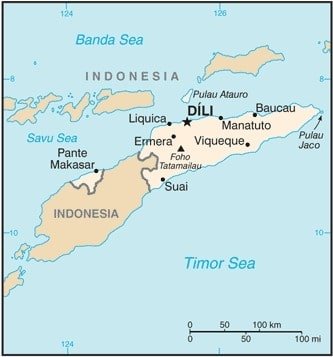
Comprehensive Travel Guide to Timor-Leste
General Information
- Capital: Dili
- Population: 1,506,909
- Currency: United States Dollar (USD)
- Time Zone: Timor-Leste Time (TLT), UTC +9
- Official Languages: Tetum, Portuguese
- Dialing Code: +670
- Driving Side: Left
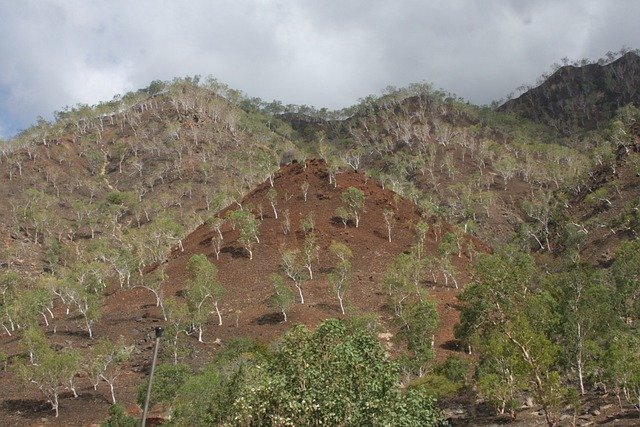
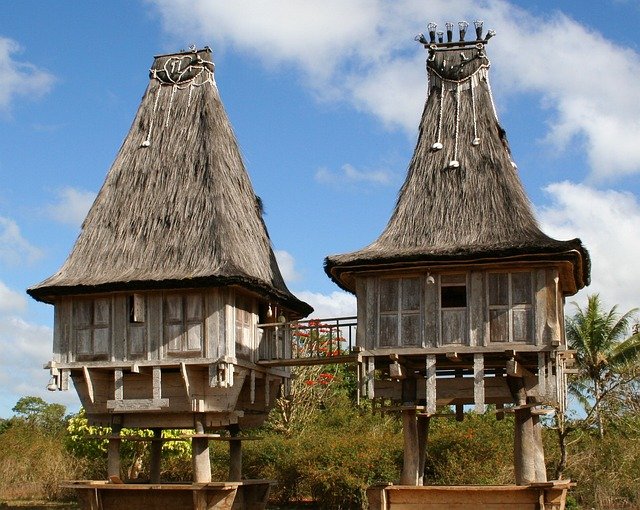
Timor-Leste (East Timor), located in Southeast Asia, is a hidden gem featuring stunning coastlines, rugged mountains, and a unique mix of Timorese and Portuguese culture. As one of the world's newest nations, it offers an off-the-beaten-path travel experience.
Language and Communication
- Official Languages: Tetum and Portuguese.
- Widely Spoken: Indonesian and some English, especially in urban areas and among younger generations.
- Helpful Phrases in Tetum:
- Hello: Bondia
- Thank You: Obrigado/Obrigada (depending on gender)
- How much?: Kuantu ne'e?
- Yes: Sin
- No: Lae
Emergency Numbers
- Police: 112; 331 2383
- Ambulance: 115
- Fire: 115
Currency and Money
- Currency: United States Dollar (USD).
- ATMs: Limited and mostly found in Dili. Many only accept locally issued cards.
- Credit Cards: Accepted at some hotels and restaurants in Dili, but cash is necessary for most transactions.
- Currency Exchange: Available in Dili at banks and exchange offices.
Electricity and Plugs
- Voltage: 220–240 V
- Frequency: 50 Hz
- Plug Types: E, G, and I.
- Adapter Needed: Yes, if your devices use a different plug type.
Best Time to Visit
- Dry Season (May to November): Best time for outdoor activities, trekking, and diving.
- Wet Season (December to April): Heavy rainfall, especially in rural areas, can make travel difficult.
Safety and Health
- Safety Tips:
- Timor-Leste is generally safe, but exercise caution when traveling in remote areas.
- Avoid political demonstrations and large gatherings.
- Health Precautions:
- Drink only bottled or boiled water.
- Mosquito repellent is essential to prevent dengue fever and malaria.
- Vaccinations: Hepatitis A, Typhoid, and Rabies are recommended.
Transportation
- Getting Around:
- Taxis: Common in Dili; negotiate the fare in advance.
- Microlets: Shared minibuses used for local transport, particularly in cities.
- Buses and Trucks: Used for intercity travel but can be crowded and slow.
- Car Rentals: 4WD vehicles are recommended for exploring rural areas.
- Motorbikes: Available for rent in Dili; helmets are mandatory.
- International Airports:
- Presidente Nicolau Lobato International Airport (Dili).
Top Attractions
Dili
- Cristo Rei: A giant statue of Christ overlooking the city; hike to the top for panoramic views.
- Tais Market: Explore traditional woven fabrics and handicrafts.
- Santa Cruz Cemetery: A historic site tied to Timor-Leste’s independence struggle.
Atauro Island
- A paradise for snorkeling and diving, with vibrant coral reefs and marine life.
- A popular spot for eco-tourism and relaxing retreats.
Jaco Island
- A pristine, uninhabited island with white-sand beaches and crystal-clear waters.
- Accessible by boat from Valu Beach in the eastern part of Timor-Leste.
Mount Ramelau (Tatamailau)
- The country’s highest peak at 2,963 meters, offering breathtaking trekking opportunities.
- A sacred site for locals, with a statue of the Virgin Mary at the summit.
Baucau
- Timor-Leste’s second-largest city, known for colonial architecture and serene beaches.
- Venilale Tunnels: Historical tunnels built during Japanese occupation in World War II.
Lospalos and Nino Konis Santana National Park
- Home to lush landscapes, cultural heritage sites, and diverse wildlife.
Festivals and Events
- Independence Day (May 20): Celebrations and parades marking the country’s independence in 2002.
- Carnival de Timor (February/March): A colorful display of local traditions, costumes, and dances.
- Sacred Heart of Jesus Festival (June): A religious celebration in rural areas.
- Tais Market Festival (Various Dates): Showcasing traditional textiles and crafts.
Suggested Itineraries
5-Day Itinerary: Highlights of Timor-Leste
- Day 1: Arrive in Dili; visit Cristo Rei, Tais Market, and Santa Cruz Cemetery.
- Day 2: Explore Atauro Island; enjoy snorkeling or diving.
- Day 3: Drive to Baucau; explore the colonial buildings and beaches.
- Day 4: Visit Mount Ramelau; trek to the summit for sunrise.
- Day 5: Return to Dili; enjoy the local cuisine and relax.
10-Day Itinerary: In-Depth Exploration
- Days 1-2: Explore Dili’s landmarks and Cristo Rei.
- Days 3-4: Visit Atauro Island for diving and eco-tourism experiences.
- Days 5-6: Travel to Baucau; explore Venilale Tunnels and nearby beaches.
- Day 7: Visit Jaco Island and Valu Beach in the eastern region.
- Day 8: Trek Mount Ramelau and enjoy the scenic beauty.
- Day 9: Explore Lospalos and Nino Konis Santana National Park.
- Day 10: Return to Dili for shopping and departure.
Food and Cuisine
Timorese cuisine combines Southeast Asian, Portuguese, and local influences.
Must-Try Dishes
- Ikan Pepes: Grilled fish wrapped in banana leaves with spices.
- Batar Da’an: A corn, pumpkin, and mung bean stew.
- Katupa: Coconut rice cooked in woven palm leaves, often served during festivals.
- Tukir: Beef or goat skewers, marinated and grilled.
- Feijoada: A Portuguese bean stew with pork or beef.
Beverages
- Kafe Timor: Locally grown coffee, considered some of the best in the world.
- Palm Wine: A traditional alcoholic drink made from fermented palm sap.
Shopping and Souvenirs
- Tais Cloth: Intricately woven textiles, available at Tais Market in Dili.
- Wooden Carvings: Handcrafted items like masks and statues.
- Local Coffee: High-quality coffee beans grown in the mountains.
- Jewelry and Beads: Unique handmade items by local artisans.
Connectivity
- Wi-Fi: Available in most hotels and cafes in Dili but may be slow.
- SIM Cards: Telkomcel and Timor Telecom are the main providers; purchase at the airport or shops in Dili.
Conclusion
Timor-Leste offers a unique travel experience with its untouched beaches, rich cultural traditions, and stunning landscapes. Whether you’re diving in Atauro, trekking Mount Ramelau, or exploring its vibrant history, this young nation is perfect for adventurous and curious travelers.