Africa
SudanDiscover the enchanting allure of Sudan, a land where ancient traditions seamlessly intertwine with breathtaking landscapes, inviting adventurous spirits to explore its rich tapestry of culture and history. Journey through the striking contrasts of bustling markets and serene wetlands, where the vibrant colors of local crafts reflect the spirit of its people. Engage with the welcoming communities that proudly showcase their heritage through dance and storytelling, offering a glimpse into the soul of this remarkable nation. From navigating the winding paths of the Sudd wetlands to savoring the unique flavors of South Sudanese cuisine, every moment spent here unveils a treasure trove of experiences waiting to be shared. Embrace the call of the wild and embark on a journey that transcends the ordinary, where every corner reveals the profound beauty and resilience of Sudan, a place that beckons you to return time and time again.
Comprehensive Travel Guide to Sudan
Overview
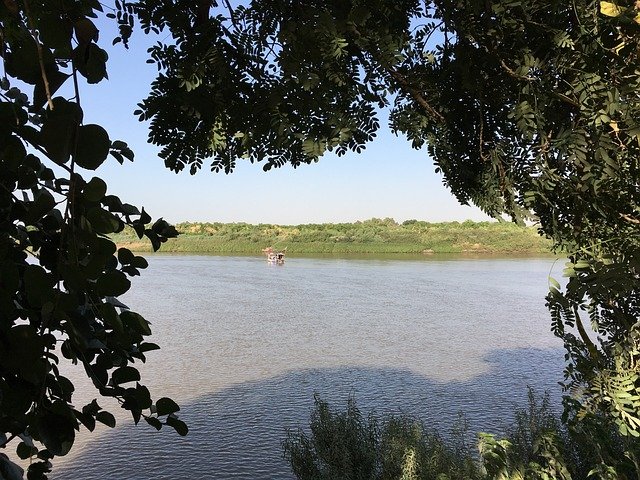
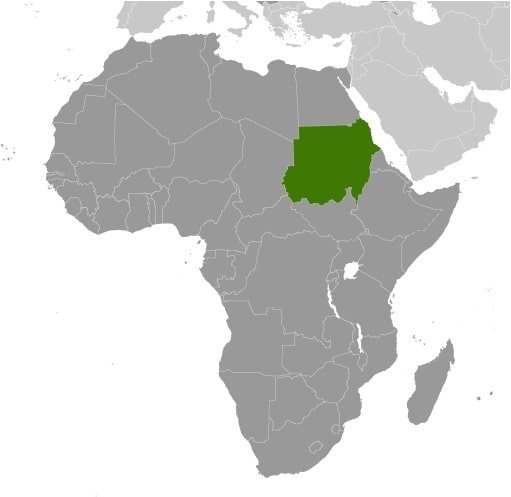
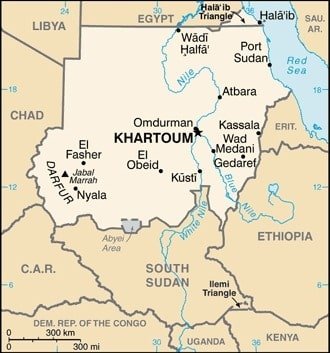
Sudan, located in northeastern Africa, is a land of ancient civilizations, vast deserts, and diverse cultures. From the iconic pyramids of Meroë to the bustling streets of Khartoum, Sudan offers a rich historical and cultural experience. The Nile River runs through the heart of the country, connecting its people and serving as a lifeline for agriculture and trade.
General Information
- Capital City: Khartoum
- Population: 50,467,278
- Currency: Sudanese Pound (SDG)
- Time Zone: Central Africa Time (CAT), UTC +2
- Official Language: Arabic
- Dialing Code: +249
- Driving Side: Right
Language and Communication
- Official Languages: Arabic and English
- Commonly Spoken Languages: Nubian, Beja, Fur, Zaghawa, and other regional languages.
- Helpful Phrases:
- Hello: As-salamu alaykum
- Thank You: Shukran
- How are you?: Kayf halak?
- Yes/No: Na’am/La
- Excuse Me: Afwan
Emergency Numbers
- Police: 999
- Ambulance: 999
- Fire: 999
Currency and Money
- Currency: Sudanese Pound (SDG)
- ATMs: Limited and often unreliable; carry cash.
- Credit Cards: Rarely accepted; cash is the primary means of transaction.
- Currency Exchange: Available at banks and licensed exchange offices. U.S. dollars and Euros are commonly exchanged.
Electricity and Plugs
- Voltage: 230 V
- Frequency: 50 Hz
- Plug Types: Type C and D
- Adapter Needed: Yes, if your devices use a different plug type.
Best Time to Visit
- October to March: Cooler months with pleasant weather, ideal for exploring historical sites and deserts.
- April to September: Extremely hot, especially in desert regions.
Top Attractions
1. Pyramids of Meroë
- UNESCO World Heritage Site featuring over 200 Nubian pyramids.
- Located in the desert northeast of Khartoum.
2. Khartoum
- National Museum: Showcasing artifacts from ancient Nubian and Sudanese civilizations.
- Confluence of the Niles: The meeting point of the Blue and White Nile Rivers.
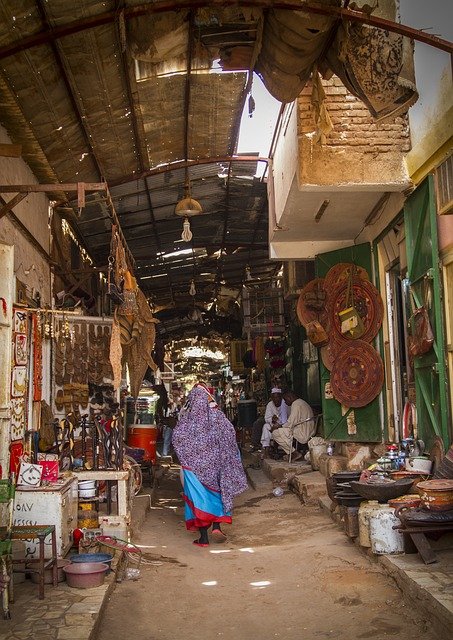
- Omdurman Market: A vibrant spot for traditional crafts, spices, and textiles.
3. Jebel Barkal and Napatan Region
- Ancient temples and pyramids surrounding this sacred mountain.
- Another UNESCO World Heritage Site, rich in Nubian history.
4. Suakin Island
- Historic Red Sea port with Ottoman-era ruins.
- Offers a glimpse into Sudan’s maritime history.
5. Dinder National Park
- A vast wildlife reserve with lions, elephants, and diverse bird species.
- Best visited during the dry season.
6. Kassala
- Known for the scenic Taka Mountains and vibrant markets.
- The Khatmiyah Mosque is a significant religious site.
7. Red Sea Coast
- Pristine beaches and coral reefs, ideal for diving and snorkeling.
- Port Sudan serves as the gateway to these coastal attractions.
Activities and Adventures
- Desert Expeditions: Explore the Nubian Desert and ancient caravan routes.
- River Cruises: Take a boat ride on the Nile River, especially around Khartoum.
- Cultural Immersion: Visit Nubian villages to experience traditional hospitality.
- Scuba Diving and Snorkeling: Discover underwater wonders along the Red Sea coast.
- Photography: Capture the stunning landscapes, historical ruins, and local life.
Food and Cuisine
Sudanese cuisine is a blend of African, Arab, and Middle Eastern influences.
- Must-Try Dishes:
- Ful medames: Slow-cooked fava beans seasoned with spices.
- Kisra: A traditional flatbread made from sorghum.
- Asida: A porridge-like dish served with meat or vegetable stew.
- Shai bil nana: Mint tea, a popular beverage.
- Hilumur: A fermented drink made from sorghum and spices.
- Dining Tips:
- Traditional meals are often communal, eaten with hands or bread.
- Street food is affordable and flavorful, but ensure it’s freshly prepared.
Accommodation
- Luxury Hotels: Available in Khartoum, catering to business and international travelers.
- Mid-Range Options: Smaller hotels and guesthouses in cities and tourist hubs.
- Budget Options: Basic accommodations are available, especially in rural areas.
Festivals and Events
- Independence Day (January 1): Celebrations of Sudan’s independence from Anglo-Egyptian rule.
- Eid al-Fitr and Eid al-Adha: Major Islamic holidays marked by feasts and prayers.
- Sufi Gatherings: Weekly events featuring music, dance, and spiritual rituals, especially in Omdurman.
Transportation
Domestic Travel
- Air Travel: Domestic flights connect major cities like Khartoum, Port Sudan, and Kassala.
- Buses: Long-distance buses are available but can be crowded and slow.
- Taxis and Rickshaws: Common in urban areas; fares should be negotiated beforehand.
Driving
- Roads in cities are generally good but can be challenging in rural areas.
- 4WD vehicles are recommended for desert travel.
- International driving permits are required.
Safety and Health
- Safety Tips:
- Avoid discussing political issues.
- Respect local customs and dress modestly, especially in rural areas.
- Be cautious in border regions, which may be unstable.
- Health Precautions:
- Recommended vaccinations: Yellow fever, Hepatitis A and B, Typhoid, and routine immunizations.
- Malaria is prevalent; use mosquito repellent and take prophylactic medication.
- Drink bottled or boiled water to avoid waterborne illnesses.
Suggested Itineraries
5-Day Itinerary
- Day 1-2: Explore Khartoum (National Museum, Confluence of the Niles, Omdurman Market).
- Day 3: Visit the Pyramids of Meroë.
- Day 4: Day trip to Jebel Barkal and the Napatan region.
- Day 5: Return to Khartoum for shopping and local cuisine.
10-Day Itinerary
- Extend the 5-day itinerary with visits to Kassala, Suakin Island, and Dinder National Park.
Travel Tips
- Cultural Sensitivity: Sudan is a predominantly Muslim country; dress modestly and respect local traditions.
- Permits: Some archaeological sites and regions require special permits; plan accordingly.
- Packing Essentials: Lightweight clothing, sunscreen, a hat, and sturdy footwear for exploring deserts and historical sites.
- Connectivity: Wi-Fi is available in major cities but limited in rural areas; consider purchasing a local SIM card.
Conclusion
Sudan offers a unique blend of history, culture, and natural beauty. Whether you’re marveling at the pyramids of Meroë, enjoying the hospitality of the Nubian people, or exploring the Red Sea’s underwater treasures, Sudan promises an unforgettable journey. Embrace the adventure and discover the treasures of this remarkable nation.