East and Southeast Asia
Spratly IslandsThe Spratly Islands, an enchanting mosaic of sun-kissed atolls and vibrant marine life, beckon adventurous women to uncover their secrets amidst the captivating azure waters of Southeast Asia. Whether you are snorkeling in coral gardens that are alive with colorful fish or stretching out on pristine beaches that seem untouched by time, this hidden paradise presents an idyllic escape from the daily grind. Immerse yourself in the thrill of exploring untouched landscapes, connecting with local cultures that enrich your journey, and witnessing breathtaking sunsets that bathe the sky in mesmerizing hues of orange and pink. A journey to the Spratly Islands promises not only stunning vistas but also the incredible opportunity to forge a deeper connection with nature, allowing you to recharge your spirit in this serene and idyllic setting that feels like a dream come true.
Comprehensive Travel Guide to the Spratly Islands
General Information
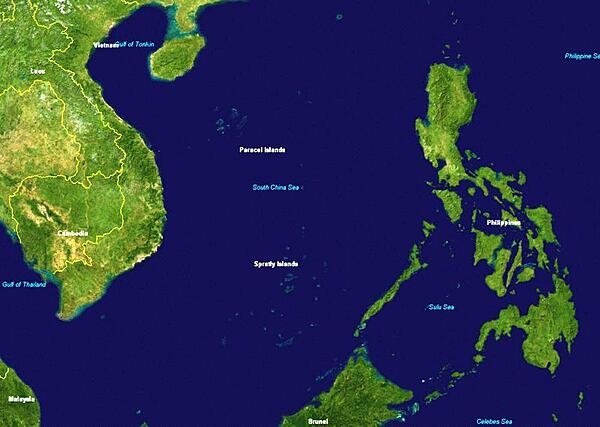
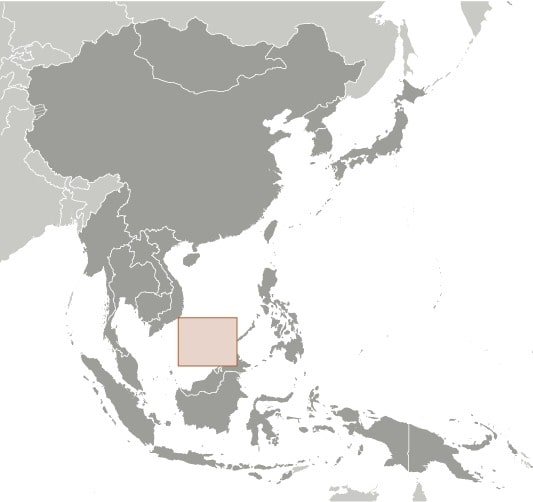
- Location: South China Sea, between the Philippines, Vietnam, Malaysia, Brunei, and China
- Status: Disputed territory, claimed by multiple nations (China, Taiwan, Vietnam, Philippines, Malaysia, and Brunei)
- Capital: None (no official governing body)
- Population: No permanent civilian residents; military and research personnel present on various islands
- Currency: Varies by controlling country (Chinese Yuan, Vietnamese Dong, Philippine Peso, Malaysian Ringgit, US Dollar)
- Time Zones: Varies by claimant nation
- Official Languages: Varies by claimant nation (Chinese, Vietnamese, Filipino, Malay, English)
- Driving Side: N/A (minimal infrastructure)
Overview
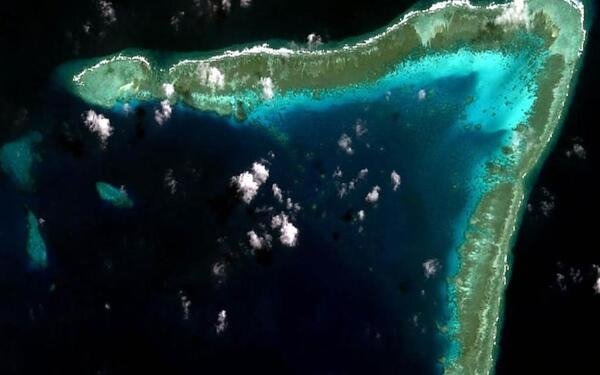
The Spratly Islands are a vast group of over 100 reefs, islets, and atolls in the highly strategic South China Sea. While the islands themselves are small and often submerged, they sit atop vital shipping routes and are rich in potential oil and gas reserves. Due to overlapping territorial claims, many countries have built military outposts, airstrips, and research stations on various islands.
The Spratlys are largely off-limits to tourists due to the ongoing geopolitical disputes, but researchers, journalists, and government personnel have occasionally visited certain occupied islands under military escort.
Access & Transportation
How to Get There
Access to the Spratly Islands is highly restricted, as they are under military control.
- Military or Government Flights: Limited to personnel of controlling nations (China, Vietnam, Philippines, Malaysia).
- Naval or Research Vessels: Occasionally allow scientists or journalists under strict supervision.
- Fishing Boats & Unauthorized Entry: Dangerous due to patrols, military enforcement, and geopolitical tensions.
Airports & Airstrips
Several nations have constructed airstrips, but they are not for public use:
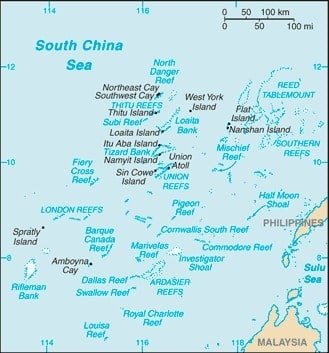
- Fiery Cross Reef (China) – Military airstrip
- Subi Reef (China) – Military airstrip
- Mischief Reef (China) – Military airstrip
- Thitu Island (Philippines) – Small civilian/military airstrip
- Spratly Island (Vietnam) – Military airstrip
Major Islands & Features
Since the Spratlys are not a tourist destination, the key locations primarily serve military and research purposes. Some of the most notable islands and reefs include:
1. Thitu Island (Pag-asa Island) – Philippines
- The largest Philippine-occupied island
- Small civilian population (~300 people)
- Airstrip, radio station, and basic infrastructure
2. Spratly Island – Vietnam
- Vietnam’s largest occupied island in the area
- Airstrip and military garrison
3. Fiery Cross Reef – China
- One of China’s largest artificial islands
- 3,000-meter military airstrip
- Radar installations, missile systems, and port facilities
4. Subi Reef – China
- Another major Chinese-controlled artificial island
- Housing for military personnel
- Surveillance and radar systems
5. Mischief Reef – China
- Heavily fortified Chinese base
- Advanced military installations
6. Swallow Reef (Pulau Layang-Layang) – Malaysia
- Malaysian-controlled with a small diving resort (one of the few places tourists can visit, but requires government approval)
- Airstrip for military use
Climate & Best Time to Visit
- Tropical Climate: Hot and humid year-round, with monsoon seasons.
- Typhoons: Common from July to November.
- Best Time (Hypothetically): December – April (dry season).
Wildlife & Marine Life
The Spratlys have rich marine biodiversity, but military activity and land reclamation projects have damaged ecosystems.
- Coral Reefs: Home to diverse fish, sharks, and sea turtles.
- Seabirds: Some uninhabited islands serve as bird sanctuaries.
- Endangered Species: Giant clams, sea turtles, and dugongs.
Due to heavy military presence and territorial disputes, conservation efforts are minimal, and fishing activity has led to environmental degradation.
Accommodation & Facilities
There are no hotels or commercial accommodations in the Spratly Islands.
- Military personnel and researchers stay in barracks, bunkers, or temporary shelters.
- Swallow Reef (Malaysia) has a dive resort, but access is highly restricted.
- No reliable electricity, running water, or supplies—visitors must be self-sufficient.
Safety & Security Considerations
Due to territorial disputes, military presence, and piracy risks, visiting the Spratly Islands is not recommended for civilians.
Potential Hazards:
Geopolitical Tensions: Armed confrontations between nations occasionally occur.
Military Patrols: Unauthorized entry can lead to detainment or expulsion.
Piracy & Smuggling: Reports of illegal fishing, smuggling, and piracy.
Extreme Weather: Typhoons and high waves make travel hazardous.
Legal & Travel Restrictions
- Visas & Permits: Required from the controlling nation (China, Vietnam, Philippines, Malaysia, etc.).
- Fishing & Resource Extraction: Heavily regulated or prohibited.
- Photography & Drones: Banned in military zones.
Things to Do (If Allowed to Visit)
While not open for tourism, hypothetical activities include:
Scuba Diving & Snorkeling: Rich marine biodiversity, but accessibility is difficult.
Historical Exploration: WWII shipwrecks and abandoned military outposts.
Wildlife Observation: Birdwatching on uninhabited reefs.
Scientific Research: Coral reef and climate change studies (requires special permits).
Travel Tips & Recommendations
Do Not Attempt to Visit Without Authorization. Unauthorized entry can result in arrest or deportation.
Arrange Military or Government Clearance. Research permits may be granted for scientific studies.
Bring Cash & Supplies. No stores, banks, or medical facilities exist.
Use Satellite Communication. No mobile networks in most areas.
Conclusion
The Spratly Islands are one of the most militarized and disputed regions in the world, making them inaccessible to tourists. While the area has breathtaking marine life and historical significance, ongoing conflicts and restricted access make visits nearly impossible for civilians.