Africa
South SudanIn the heart of Africa lies South Sudan, a land rich with untamed beauty and vibrant cultures, where the Nile flows through lush landscapes and echoes the stories of resilient communities. This emerging destination invites adventurous spirits to explore its breathtaking wilderness, from the stunning shores of the White Nile to the varied ecosystems that house an array of wildlife. Experience the warmth of South Sudanese hospitality as you engage with the local tribes, savor traditional dishes bursting with flavor, and learn about the rich tapestry of history that shapes this remarkable nation. Whether you seek to immerse yourself in unique cultural experiences or to witness the stunning natural wonders that await, South Sudan promises a journey of discovery that will inspire and transform.
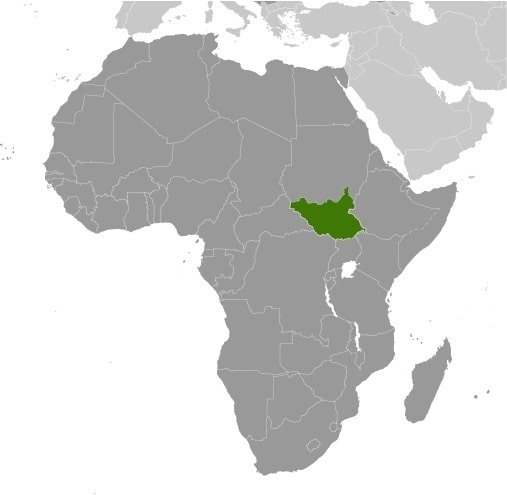
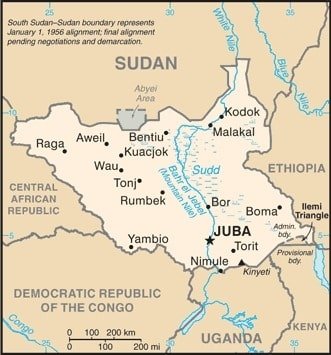
Comprehensive Travel Guide to South Sudan
Overview
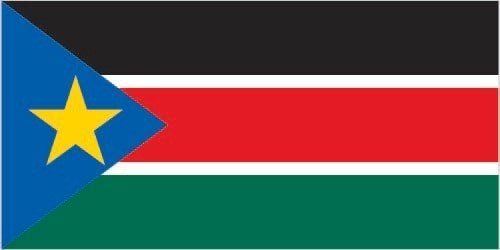
South Sudan, the world's youngest nation since its independence in 2011, is a country of remarkable diversity and untapped beauty. Located in East-Central Africa, South Sudan is known for its vast savannahs, wetlands, and the iconic Nile River. While challenges remain due to political instability and limited infrastructure, South Sudan offers incredible opportunities for adventurers, wildlife enthusiasts, and cultural explorers.
General Information
- Capital City: Juba
- Population: 12,703,714
- Currency: South Sudanese Pound (SSP)
- Time Zone: East Africa Time (EAT), UTC +3
- Official Languages: English
- Dialing Code: +211
- Driving Side: Right
Language and Communication
- Primary Language: English (official)
- Other Common Languages: Juba Arabic, Dinka, Nuer, Bari, Zande, and Shilluk.
- Helpful Phrases:
- Hello: Salaam Alaikum (Arabic greeting)
- Thank You: Shukran
- How are you?: Keef halak? (Arabic)
- Yes/No: Na’am / La
Emergency Numbers
- Police: 999
- Fire Department: 999
- Ambulance: 999
- Emergency services are limited; rely on local guides and international organizations for support in rural areas.
Currency and Money
- Currency: South Sudanese Pound (SSP)
- ATMs: Limited and unreliable, even in Juba.
- Credit Cards: Rarely accepted; cash is the primary means of payment.
- Currency Exchange: Available in Juba at banks and authorized dealers. Carry US dollars in smaller denominations for easier transactions.
Electricity and Plugs
- Voltage: 230 V
- Frequency: 50 Hz
- Plug Types: Type C and D (European-style or Indian-style plugs).
- Adapter Needed: Yes, if your devices use a different plug type.
Best Time to Visit
- Dry Season (November to April): Ideal for travel as roads are more accessible, and wildlife spotting is easier.
- Rainy Season (May to October): Roads become impassable, but the landscapes are lush and green.
Top Attractions
1. Juba
- Juba Nile Bridge: Offers scenic views of the White Nile River.
- John Garang Mausoleum: A tribute to the leader of South Sudan’s liberation movement.
- Konyo Konyo Market: A bustling market for local goods, handicrafts, and street food.
2. Boma National Park
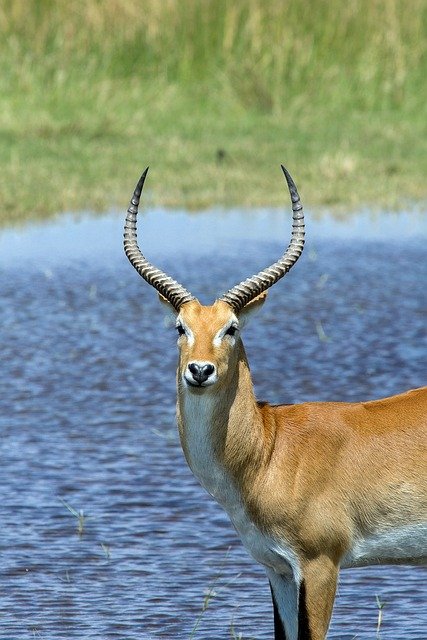
- One of Africa’s largest wilderness areas, famous for its vast migration of white-eared kob antelopes. Other wildlife includes elephants, giraffes, and lions.
3. Bandingilo National Park
- Known for its incredible birdlife and the seasonal migration of gazelles.
4. Nimule National Park
- Located along the Uganda border, this park features elephants, hippos, and the scenic rapids of the White Nile.
5. Sudd Wetlands
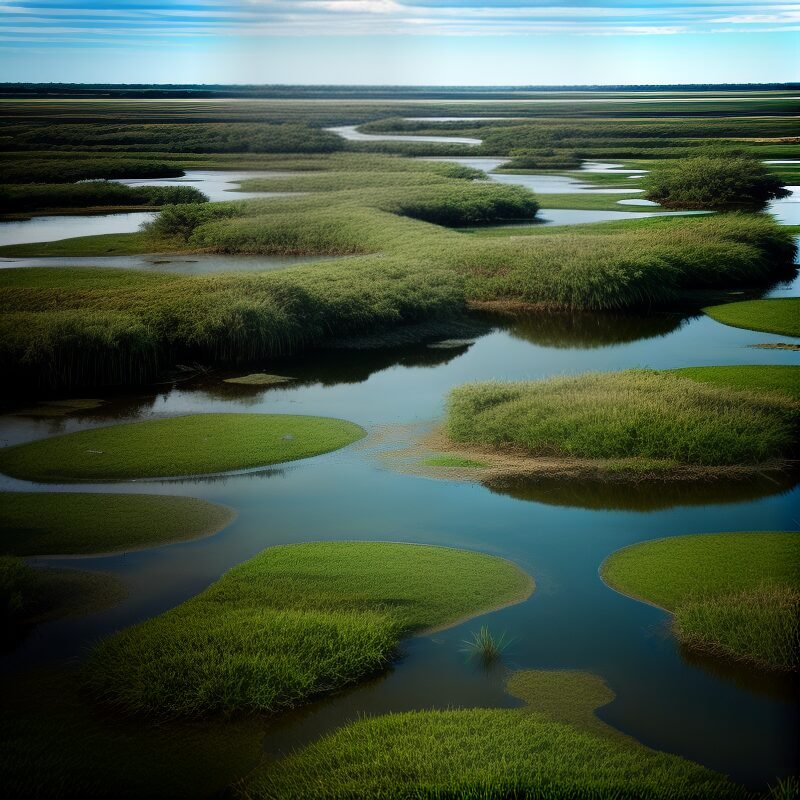
- One of the world’s largest wetlands and a UNESCO World Heritage candidate. It’s a paradise for birdwatchers and an important ecological zone.
6. Cultural Villages
- Explore traditional Dinka, Nuer, and Zande villages to learn about the diverse cultures and customs of South Sudan.
Activities and Adventures
- Wildlife Safaris: Visit Boma and Bandingilo National Parks for a chance to see Africa’s iconic animals.
- White Nile River Adventures: Try fishing or boat trips along the river.
- Cultural Tours: Experience tribal dances, ceremonies, and storytelling.
- Bird Watching: Sudd Wetlands and national parks are havens for bird enthusiasts.
- Hiking and Exploration: Discover the unspoiled landscapes and hidden gems of South Sudan.
Food and Cuisine
South Sudanese cuisine is hearty and reflects the country’s cultural diversity.
- Staple Dishes:
- Asida: A porridge-like dish made from sorghum or millet.
- Kisra: A thin fermented bread.
- Ful medames: A bean stew often eaten with bread.
- Nyama choma: Grilled meat, a popular dish across East Africa.
- Beverages:
- Karkadeh: Hibiscus tea.
- Locally brewed beers and fermented drinks.
Accommodation
- Juba:
- Luxury hotels such as Crown Hotel and Pyramid Continental.
- Budget options include guesthouses and lodges.
- Rural Areas:
- Limited accommodation; rely on campsites or pre-arranged lodging through tour operators.
Festivals and Events
- Independence Day (July 9): Celebrations with parades, cultural performances, and fireworks.
- Cattle Camp Festivals: Traditional gatherings showcasing the importance of cattle in Dinka and Nuer culture.
- Christmas and Easter: Widely celebrated by Christian communities.
Transportation
- Airports:
- Juba International Airport (JUB) is the main entry point.
- Road Travel:
- Roads are in poor condition; 4WD vehicles are essential.
- Check for local advice on safety and accessibility.
- Local Transport:
- Minibuses and boda-bodas (motorcycle taxis) are common but not always safe.
- River Transport:
- Canoes and small boats are used along the White Nile.
Safety and Health
- Safety Tips:
- Travel with a reputable tour operator.
- Avoid remote areas without local guides.
- Stay updated on security conditions via government advisories.
- Health Precautions:
- Vaccinations: Yellow fever (mandatory), Hepatitis A and B, Typhoid, Cholera, and routine immunizations.
- Malaria: Take antimalarial medication and use insect repellent.
- Drink bottled or boiled water only.
Suggested Itineraries
5-Day Itinerary
- Day 1: Arrive in Juba, visit the John Garang Mausoleum and Konyo Konyo Market.
- Day 2: Explore Nimule National Park and the White Nile.
- Day 3: Wildlife safari in Boma National Park.
- Day 4: Cultural tour of a traditional Dinka village.
- Day 5: Return to Juba, shop for souvenirs, and depart.
10-Day Itinerary
- Combine the 5-day itinerary with visits to Bandingilo National Park and the Sudd Wetlands.
Travel Tips
- Visa Requirements: Most visitors require a visa; apply in advance at a South Sudanese embassy or consulate.
- Travel Insurance: Comprehensive insurance is a must, including medical evacuation.
- Local Currency: Carry small denominations of SSP or USD.
- Respect Local Customs: Dress modestly and seek permission before photographing people.
- Pack Essentials:
- Lightweight clothing for hot weather.
- Sturdy boots for hiking.
- Mosquito nets and insect repellent.
Conclusion
South Sudan is a destination for intrepid travelers eager to explore uncharted territories and experience authentic African cultures. Despite its challenges, the country offers remarkable natural beauty, diverse wildlife, and warm hospitality for those who venture here. A journey to South Sudan is truly an adventure of a lifetime.