Africa
SomaliaNestled in the Horn of Africa, Somalia invites intrepid travelers to discover its captivating landscapes and rich cultural tapestry, where the azure waters of the Indian Ocean meet dramatic coastlines and bustling markets, revealing the warmth and resilience of its people. Explore ancient ruins, vibrant traditions, and a thriving culinary scene that showcases exquisite dishes infused with spices and history, all while soaking in the sounds of lively music that fills the air. Whether you wander through enchanting cities like Mogadishu or venture into the serene beauty of its natural reserves, Somalia promises an adventure that goes beyond the ordinary and speaks to the heart of every explorer seeking an off-the-beaten-path experience.
Comprehensive Travel Guide to Somalia
Overview
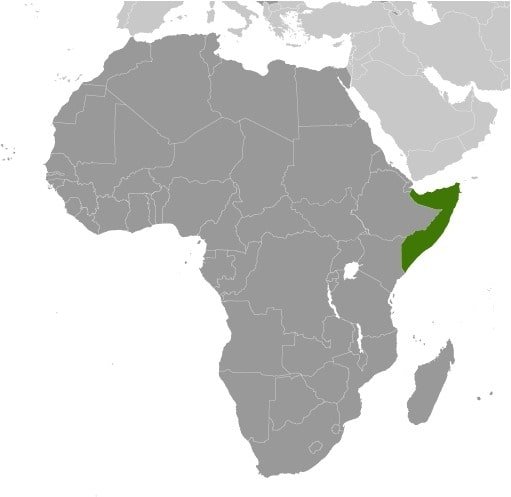
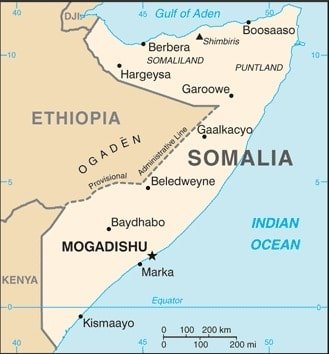
Somalia, located in the Horn of Africa, boasts a rich history, vibrant culture, and one of the longest coastlines in Africa along the Indian Ocean. Known for its ancient trading routes, unique architecture, and stunning landscapes, Somalia is a destination with untapped potential for adventurous travelers. However, due to ongoing security concerns in certain areas, travel should be approached with thorough planning and caution. Safer regions, such as Somaliland, offer glimpses into Somalia's diverse cultural heritage.
General Information
- Capital City: Mogadishu
- Population: 13,017,273
- Currency: Somali Shilling (SOS)
- Time Zone: East Africa Time (EAT), UTC +3
- Official Languages: Somali and Arabic
- Dialing Code: +252
- Driving Side: Right
Language and Communication
- Primary Languages: Somali, Arabic
- Widely Spoken: English and Italian in some urban areas.
- Helpful Phrases:
- Hello: As-Salaamu Alaikum
- Thank You: Mahadsanid
- How are you?: Sidee tahay?
- Excuse Me: Iga raali ahow
- Yes/No: Haa/Maya
Emergency Numbers
- Police: 888
- Fire: 555
- Ambulance: 999
(Note: Emergency services may be limited outside major cities.)
Currency and Money
- Currency: Somali Shilling (SOS)
- ATMs: Rare; US dollars are widely accepted in urban areas.
- Credit Cards: Limited usage; cash is preferred.
- Currency Exchange: Available in urban centers, often informal.
Electricity and Plugs
- Voltage: 220 V
- Frequency: 50 Hz
- Plug Types: Type C and Type F (European-style plugs).
- Adapter Needed: Yes, if your devices use a different plug type.
Best Time to Visit
- Dry Seasons: December to February and June to August (ideal for outdoor activities).
- Rainy Seasons: March to May and October to November (travel may be more challenging).
Top Attractions
Mogadishu
- Liido Beach: A vibrant destination where locals gather for relaxation and water activities.
- Bakara Market: One of East Africa’s largest markets, offering a glimpse into local trade and daily life.
- Arba’a Rukun Mosque: One of Mogadishu’s oldest and most iconic mosques.
- National Museum of Somalia: A repository of Somali history and cultural artifacts.
Hargeisa (Somaliland)
- Laas Geel Rock Paintings: Ancient cave art dating back over 5,000 years.
- Hargeisa Market: Explore local crafts, textiles, and traditional Somali goods.
- War Memorial: Features a fighter jet commemorating the Somali Civil War.
Berbera
- Beaches: Crystal-clear waters and pristine beaches perfect for snorkeling and relaxation.
- Ottoman Architecture: Historical buildings reflecting the city’s trade history.
Puntland
- Boosaaso Port: A major trading hub with a bustling atmosphere.
- Cal Madow Mountains: Stunning landscapes, including forested areas and unique wildlife.
Indian Ocean Coastline
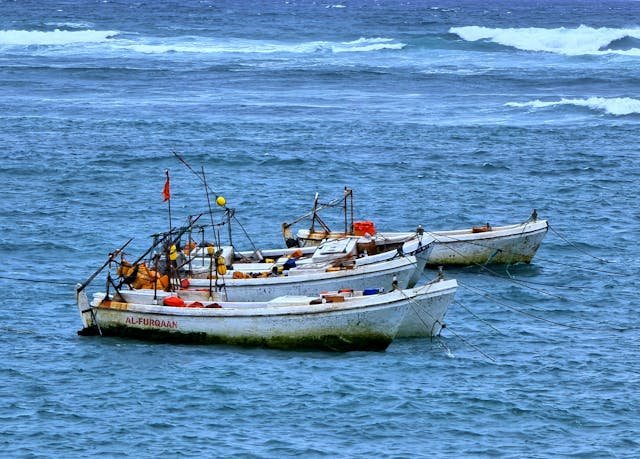
- With over 3,000 kilometers of coastline, Somalia offers breathtaking beaches and excellent diving opportunities.
Activities and Adventures
- Cultural Exploration: Visit traditional Somali villages and learn about nomadic lifestyles.
- Diving and Snorkeling: Explore coral reefs along the Indian Ocean coast.
- Historical Tours: Discover ancient trading posts and Islamic architecture.
- Wildlife Watching: Spot endemic species in remote areas like the Cal Madow Mountains.
Food and Cuisine
Somali cuisine is a delightful blend of African, Arabian, and Indian influences, with a focus on spices, rice, and fresh ingredients.
Must-Try Dishes:
- Canjeero: A spongy flatbread similar to injera, often eaten for breakfast.
- Bariis Iskukaris: Somali-style rice cooked with spices and served with meat or fish.
- Suqaar: Stir-fried meat with vegetables and spices.
- Sambuusa: Somali samosas, a popular street food snack.
- Halwa: A sweet, sticky dessert made with sugar, ghee, and spices.
Drinks:
- Shaah: Somali spiced tea.
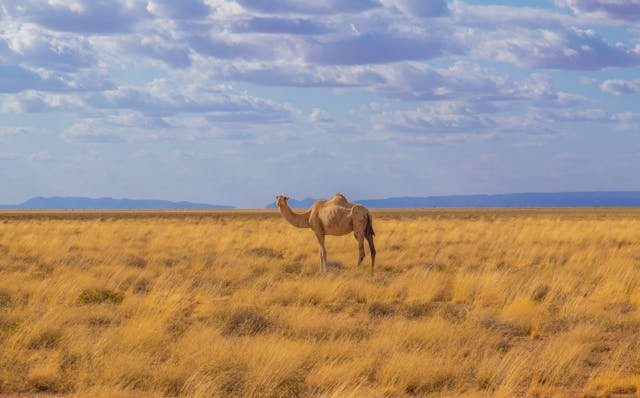
- Camel Milk: A traditional and nutritious drink in Somalia.
Festivals and Events
- Independence Day (July 1): Celebrations include parades, music, and cultural events.
- Eid al-Fitr and Eid al-Adha: Marked with prayers, feasts, and community gatherings.
- Somaliland Independence Day (May 18): Celebrated in Somaliland with patriotic events.
Shopping
- Markets to Visit:
- Bakara Market (Mogadishu): A bustling hub for local goods.
- Hargeisa Market: Known for traditional crafts and textiles.
- Popular Souvenirs:
- Frankincense and myrrh.
- Handmade baskets and woven mats.
- Traditional Somali attire.
Transportation
- Domestic Flights: Small airlines connect major cities like Mogadishu, Hargeisa, and Berbera.
- Taxis: Available in cities but negotiate fares in advance.
- Car Rentals: Rare and expensive; hiring a driver is more common.
- Public Transport: Limited to minibusses and shared taxis.
Safety and Health
- Safety Tips:
- Avoid areas with active conflicts or high security risks.
- Travel with a reputable guide or tour operator.
- Stay informed about current conditions through your embassy.
- Health Tips:
- Malaria is prevalent; take preventive medication and use mosquito nets.
- Drink bottled or boiled water.
- Vaccinations: Ensure you are up to date on yellow fever, typhoid, hepatitis A and B, and routine vaccines.
Suggested Itineraries
3-Day Itinerary (Somaliland Focus)
- Day 1: Explore Hargeisa, including Laas Geel and the War Memorial.
- Day 2: Visit Berbera for its beaches and Ottoman architecture.
- Day 3: Relax at a coastal resort or explore local markets.
7-Day Itinerary
- Day 1-2: Explore Mogadishu’s beaches, markets, and historic sites.
- Day 3-4: Fly to Hargeisa and visit Laas Geel and local landmarks.
- Day 5: Day trip to Berbera for beaches and diving.
- Day 6: Explore the Cal Madow Mountains in Puntland.
- Day 7: Return to Mogadishu for shopping and relaxation.
Travel Tips
- Entry Requirements: Visas are required for most travelers; Somaliland has its own visa process.
- Local Etiquette: Dress modestly and respect Islamic customs.
- Connectivity: Internet access is available in cities, but it may be unreliable in rural areas.
- Packing Essentials: Include sunscreen, insect repellent, modest clothing, and a first-aid kit.
Conclusion
Somalia is a land of contrasts, offering a mix of ancient history, vibrant culture, and unspoiled natural beauty. While travel requires careful preparation and attention to safety, regions like Somaliland provide unique opportunities to explore one of Africa's most culturally rich and historically significant destinations.