Africa
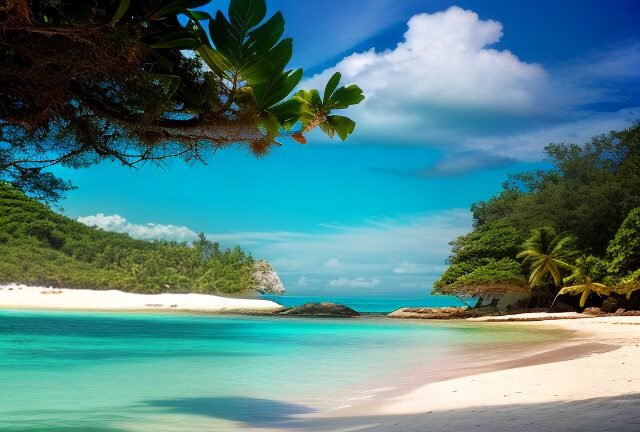
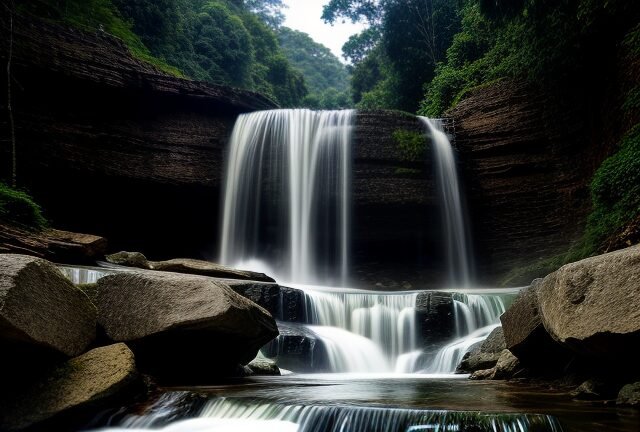
Sierra LeoneSierra Leone, a captivating jewel nestled along the breathtaking West African coast, awaits your discovery, inviting travelers to experience a mesmerizing blend of rich history, vibrant culture, and stunning natural landscapes. From the unspoiled beaches of Freetown that beckon with their golden sands to the verdant hills and pristine wildlife of its national parks, this remarkable country offers endless opportunities for both thrilling adventures and serene relaxation. Dive deep into the local traditions, lose yourself in the infectious rhythms of traditional drumbeats, and indulge in the diverse culinary delights that beautifully showcase its multicultural heritage. With its welcoming hospitality and untouched scenery, Sierra Leone promises an unforgettable journey where every moment is an opportunity for discovery and meaningful connection, making it an ideal destination for those seeking to explore the heart and soul of Africa.



Comprehensive Travel Guide to Sierra Leone
Overview
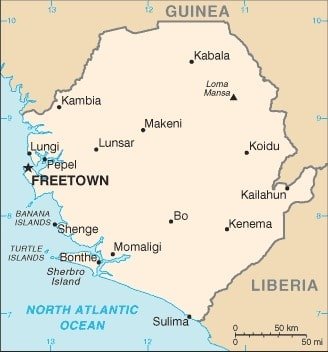
Sierra Leone, a West African nation bordered by Guinea, Liberia, and the Atlantic Ocean, is known for its stunning beaches, lush rainforests, and rich cultural heritage. Despite a challenging history, the country is now emerging as a hidden gem for eco-tourism, adventure, and cultural exploration.
General Information
- Capital City: Freetown
- Population: 9,121,049
- Currency: Sierra Leonean Leone (SLE)
- Official Language: English
- Commonly Spoken Languages: Krio (widely spoken), Temne, Mende, and other indigenous languages.
- Time Zone: Greenwich Mean Time (GMT), UTC +0
- Dialing Code: +232
- Driving Side: Right
Language and Communication
- Primary Language: English
- Commonly Spoken Languages: Krio acts as a lingua franca, alongside regional languages like Temne and Mende.
- Helpful Phrases:
- Hello: Hello (English) / Kusheh (Krio)
- Thank You: Thank You (English) / Tenki (Krio)
- How are you?: How di bodi? (Krio)
- Excuse Me: Ekskyuz mi (Krio)
- Yes/No: Yes/No (English)
Emergency Numbers
- Police: 019
- Fire: 999
- Ambulance: 999
Currency and Money
- Currency: Sierra Leonean Leone (SLE)
- ATMs: Limited availability; found mostly in Freetown and larger towns.
- Credit Cards: Accepted in some hotels and upscale establishments; cash is preferred in most places.
- Currency Exchange: Available at banks and exchange offices in major cities.
Electricity and Plugs
- Voltage: 230 V
- Frequency: 50 Hz
- Plug Types: Type D and G (British-style plugs)
- Adapter Needed: Yes, if your devices use a different plug type.
Best Time to Visit
- Dry Season (November to April): Best for beach visits, wildlife viewing, and outdoor activities.
- Wet Season (May to October): Lush landscapes, but heavy rains can make travel difficult.
Top Attractions
Freetown
- Cotton Tree:
- A historic symbol of freedom and resilience, located in the heart of Freetown.
- National Railway Museum:
- Features locomotives and artifacts from Sierra Leone’s railway history.
- Lumley Beach:
- A lively spot with restaurants, bars, and golden sands.
Tiwai Island Wildlife Sanctuary
- A biodiversity hotspot in the Moa River, home to primates, pygmy hippos, and over 130 bird species.
Banana Islands
- A serene escape offering pristine beaches, snorkeling, and a glimpse into Sierra Leone’s colonial history.
Outamba-Kilimi National Park
- A haven for wildlife enthusiasts, featuring elephants, hippos, and birdlife amidst savannahs and rainforests.
Tacugama Chimpanzee Sanctuary
- Located near Freetown, this sanctuary rehabilitates rescued chimpanzees and educates visitors on conservation.
Bunce Island
- A historic site reflecting Sierra Leone’s role in the transatlantic slave trade.
Mount Bintumani
- The highest peak in Sierra Leone, offering challenging hikes and stunning views.
Activities and Adventures
- Wildlife Watching: Spot chimpanzees, pygmy hippos, and exotic birds at Tiwai Island or Tacugama.
- Hiking: Trails at Mount Bintumani and the Loma Mountains.
- Snorkeling and Diving: Explore the waters around Banana Islands and Turtle Islands.
- Cultural Tours: Visit traditional villages to experience local customs and crafts.
- Fishing: Deep-sea fishing along the Atlantic coast.
Food and Cuisine
- Traditional Dishes:
- Cassava Leaves: Stewed cassava leaves with spices, often served with rice.
- Groundnut Stew: A rich peanut-based stew with meat or fish.
- Jollof Rice: A popular West African rice dish with tomatoes, spices, and vegetables.
- Fufu: A starchy accompaniment made from cassava or plantains.
- Beverages:
- Palm wine, ginger beer, and local soft drinks.
- Dining Tips:
- Street food is affordable and flavorful.
- Tipping is appreciated but not mandatory (5-10%).
Festivals and Events
- Independence Day (April 27):
- Celebrations with parades, music, and cultural performances.
- Freetown Marathon (May):
- A community-focused event supporting local charities.
- Cultural Festivals:
- Regional festivals celebrating traditional music, dance, and folklore.
Shopping
- Popular Souvenirs:
- Handmade baskets, carved wooden masks, and colorful fabrics.
- Best Shopping Spots:
- Freetown markets, including Big Market and King Jimmy Market.
Transportation
- Public Transport:
- Shared taxis and minibusses (poda-podas) are common but can be crowded.
- Taxis:
- Widely available in cities; fares should be negotiated in advance.
- Car Rentals:
- Available in Freetown, but driving conditions can be challenging.
- Boats:
- Used for traveling to islands like Banana and Turtle Islands.
Safety and Health
- Safety Tips:
- Avoid walking alone at night, especially in unfamiliar areas.
- Keep valuables secure and be cautious in crowded places.
- Health Tips:
- Vaccinations: Yellow fever (mandatory), typhoid, hepatitis A and B, and routine immunizations.
- Malaria: Take antimalarial medication and use insect repellents.
- Water Safety: Drink bottled or boiled water.
Suggested Itineraries
3-Day Itinerary
- Day 1: Explore Freetown’s Cotton Tree, National Railway Museum, and Lumley Beach.
- Day 2: Visit Tacugama Chimpanzee Sanctuary and relax at a nearby eco-lodge.
- Day 3: Take a boat trip to Banana Islands for snorkeling and cultural tours.
7-Day Itinerary
- Day 1-2: Discover Freetown’s historic sites and beaches.
- Day 3-4: Explore Tiwai Island Wildlife Sanctuary for primates and river activities.
- Day 5: Visit Bunce Island and learn about Sierra Leone’s history.
- Day 6: Hike Mount Bintumani for stunning views and adventure.
- Day 7: Relax at the Turtle Islands with a fishing or snorkeling excursion.
Travel Tips
- Currency Exchange: Exchange money at authorized bureaus or banks.
- Connectivity: SIM cards from providers like Orange or Africell offer reliable coverage.
- Local Customs: Dress modestly and respect local traditions, especially in rural areas.
Conclusion
Sierra Leone offers a blend of breathtaking natural landscapes, rich history, and warm hospitality. Whether you’re exploring its pristine beaches, wildlife sanctuaries, or cultural heritage, the country promises an unforgettable adventure.