Africa
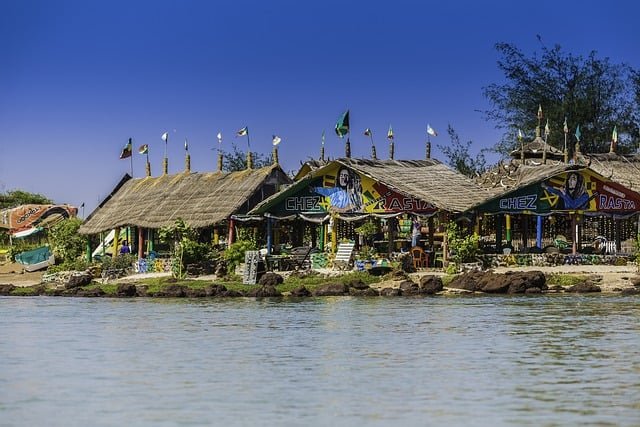
SenegalSenegal, a vibrant tapestry of cultures and traditions, invites you to discover its colorful markets, soulful music, and the warm embrace of its people. From the bustling streets of Dakar, where art and fashion collide, to the serene beaches of the Petite Côte, every corner of this West African gem tells a story waiting to be explored. Indulge in the exquisite flavors of local cuisine, such as thieboudienne, and dance to the rhythm of sabar drums as you immerse yourself in the rich history that shapes this remarkable nation. As you wander the historic sites and stunning landscapes, let Senegal's spirit of hospitality and adventure captivate your heart, promising memories that will linger long after your journey ends.

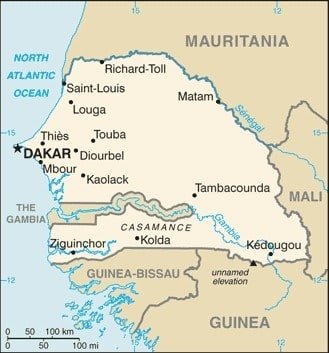
Comprehensive Travel Guide to Senegal
Overview
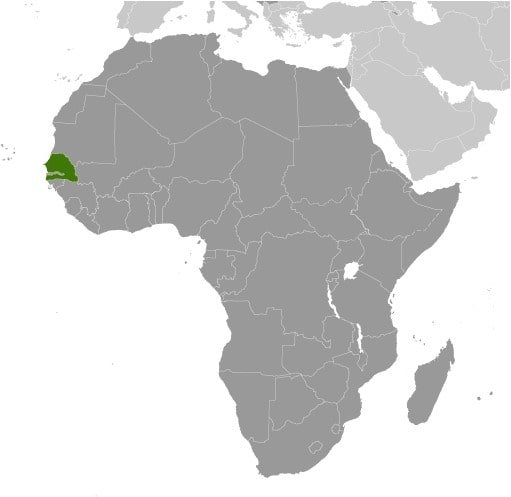
Senegal, located in West Africa, is a vibrant country known for its rich culture, lively music, stunning landscapes, and welcoming hospitality. The country's diverse offerings include pristine beaches, bustling markets, historic sites, and wildlife-rich national parks. Dakar, the capital city, serves as a cultural hub, while destinations like Gorée Island and the Sine-Saloum Delta showcase Senegal’s history and natural beauty.
General Information
- Capital City: Dakar
- Population: 18,847,519
- Currency: West African CFA Franc (XOF)
- Official Language: French
- Time Zone: Greenwich Mean Time (GMT), UTC +0
- Dialing Code: +221
- Driving Side: Right
Language and Communication
- Primary Language: French
- Commonly Spoken Languages: Wolof (widely spoken), Pulaar, Serer, Jola, and Mandinka.
- Helpful Phrases:
- Hello: Bonjour (French) / Naka nga def? (Wolof)
- Thank You: Merci (French) / Jërëjëf (Wolof)
- How are you?: Comment ça va? (French) / Naka nga def? (Wolof)
- Excuse Me: Excusez-moi (French) / Bal ma (Wolof)
- Yes/No: Oui/Non (French) / Waaw/Deedeet (Wolof)
Emergency Numbers
- Police: 17
- Fire: 1515
- Ambulance: 18
Currency and Money
- Currency: West African CFA Franc (XOF)
- ATMs: Widely available in cities like Dakar and Saint-Louis.
- Credit Cards: Accepted in hotels, restaurants, and larger establishments but not commonly used in rural areas.
- Currency Exchange: Available at banks and currency exchange offices.
Electricity and Plugs
- Voltage: 230 V
- Frequency: 50 Hz
- Plug Types: Types C, D, E, and K
- Adapter Needed: Yes, if your devices use a different plug type.
Best Time to Visit
- Dry Season (November to May): Ideal for outdoor activities, wildlife viewing, and beach relaxation.
- Wet Season (June to October): Lush landscapes but heavy rains may limit travel in rural areas.
Top Attractions
Historical and Cultural Sites
- Gorée Island (Île de Gorée):
- A UNESCO World Heritage Site, known for its role in the transatlantic slave trade. Visit the House of Slaves for a sobering look at history.
- Dakar:
- Explore the African Renaissance Monument, vibrant markets like Sandaga Market, and the Museum of Black Civilizations.
- Saint-Louis:
- A colonial-era city with historic architecture, a UNESCO World Heritage Site.
Natural Wonders
- Lake Retba (Lac Rose):
- A stunning pink-hued lake caused by high salt concentration and algae.
- Sine-Saloum Delta:
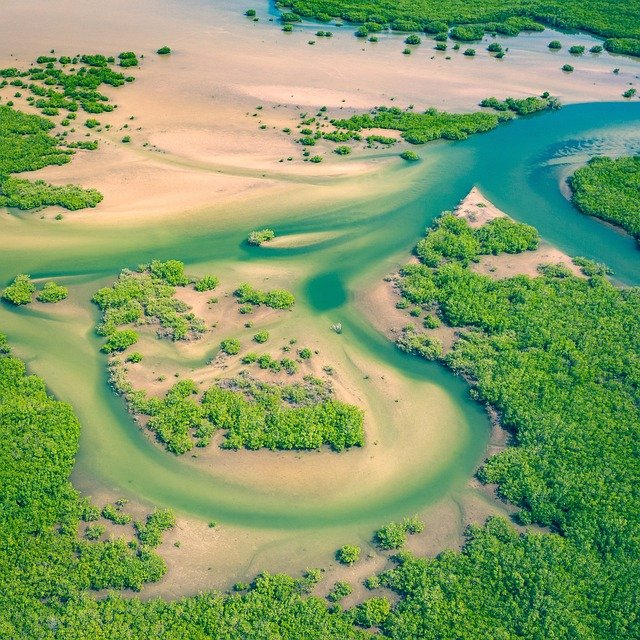
- A tranquil area of mangroves, waterways, and islands, ideal for bird-watching and eco-tourism.
- Niokolo-Koba National Park:
- A UNESCO-listed park with elephants, lions, hippos, and diverse bird species.
Beaches
- Cap Skirring (Casamance Region):
- Known for its serene, palm-lined beaches and luxurious resorts.
- Plage de N’Gor (Dakar):
- A lively beach offering water sports and a vibrant atmosphere.
- Toubab Dialaw:
- A peaceful beach town with an artistic vibe, located south of Dakar.
Activities and Adventures
- Wildlife Safaris: Explore Niokolo-Koba National Park or Bandia Reserve for close encounters with African wildlife.
- Surfing: Try the waves at N’Gor Island, a popular spot for surfers of all levels.
- Cultural Experiences: Attend traditional music and dance performances, especially in Dakar and Casamance.
- Boat Tours: Take a pirogue ride through the Sine-Saloum Delta.
Food and Cuisine
- Traditional Dishes:
- Thieboudienne: Senegal’s national dish, made of rice, fish, and vegetables.
- Yassa: A tangy dish with chicken or fish marinated in lemon and onions.
- Mafé: Peanut butter-based stew, often served with rice.
- Accara: Black-eyed pea fritters, a popular street food.
- Dining Tips:
- Meals are often shared; expect to eat from a communal dish.
- Tipping (10-15%) is appreciated but not mandatory.
Festivals and Events
- Saint-Louis Jazz Festival (May):
- A renowned music festival attracting jazz artists from around the globe.
- Dakar Biennale (May/June, every two years):
- Showcasing contemporary African art.
- Magal de Touba (Annual):
- A major pilgrimage for the Mouride brotherhood, held in Touba.
Shopping
- Popular Souvenirs:
- Batik fabrics, wooden carvings, handmade jewelry, and traditional masks.
- Local crafts like woven baskets and pottery.
- Best Shopping Areas:
- Sandaga Market (Dakar): Traditional crafts and fabrics.
- Village Artisanal de Soumbédioune (Dakar): Handcrafted items and artwork.
Transportation
- Public Transport:
- Minibuses (car rapides) and shared taxis are common but crowded.
- Private Taxis:
- Widely available in cities; negotiate fares before starting the trip.
- Car Rentals:
- Available in cities but driving conditions can be challenging in rural areas.
- Domestic Flights:
- Useful for traveling to distant regions like Casamance.
Safety and Health
- Safety Tips:
- Senegal is generally safe, but exercise caution in crowded areas to avoid pickpocketing.
- Avoid political demonstrations.
- Health Tips:
- Required Vaccinations: Yellow fever (mandatory).
- Recommended Vaccinations: Hepatitis A and B, typhoid, and routine immunizations.
- Drink bottled or boiled water to avoid waterborne illnesses.
Suggested Itineraries
3-Day Itinerary
- Day 1: Explore Dakar’s museums, markets, and N’Gor Island.
- Day 2: Take a day trip to Gorée Island and Lake Retba.
- Day 3: Relax at Toubab Dialaw or Plage de N’Gor.
7-Day Itinerary
- Day 1-2: Discover Dakar’s cultural and historical sites.
- Day 3-4: Visit Saint-Louis for colonial architecture and nearby Langue de Barbarie National Park.
- Day 5-6: Explore the Sine-Saloum Delta for bird-watching and boating.
- Day 7: Relax at Cap Skirring in Casamance.
Travel Tips
- Cultural Etiquette: Dress modestly, especially in rural areas, and ask for permission before photographing people.
- Connectivity: SIM cards are available from providers like Orange and Free Senegal. Wi-Fi is common in hotels and cafes.
- Currency Exchange: Keep some cash on hand, especially in rural areas, as card payments are less common.
Conclusion
Senegal offers a captivating blend of history, culture, and natural beauty. Whether exploring the vibrant streets of Dakar, relaxing on Casamance’s beaches, or marveling at Gorée Island’s history, this West African gem provides unforgettable experiences for every traveler.