Central America and the Caribbean
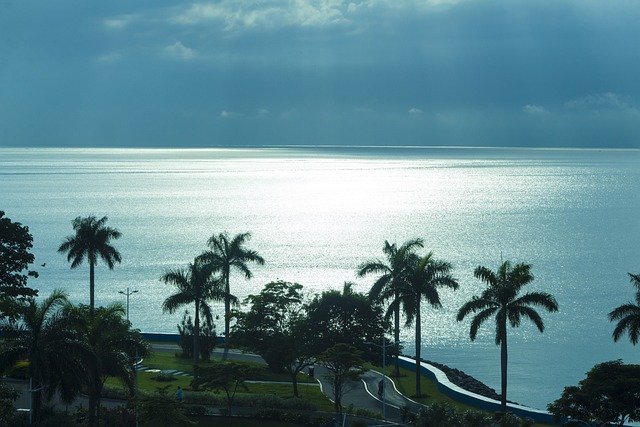
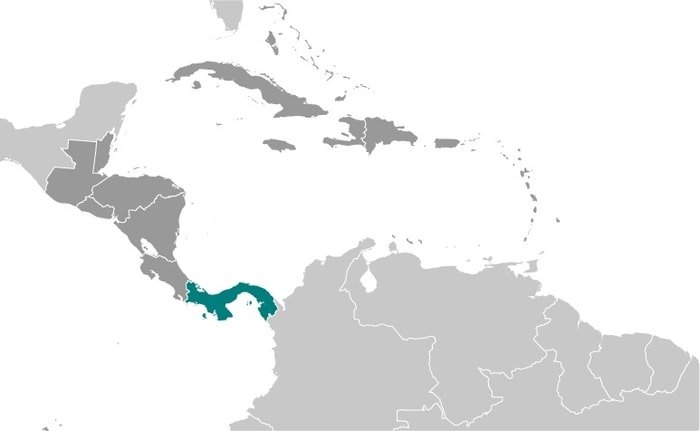
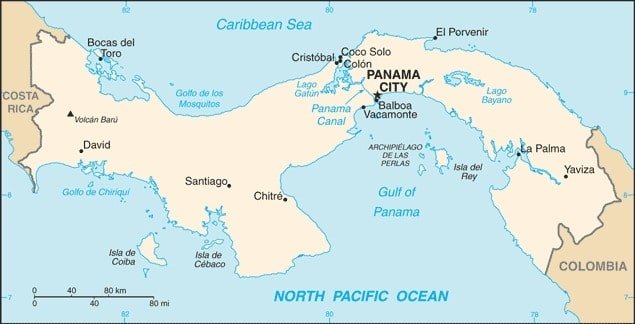
PanamaNestled between the Caribbean Sea and the Pacific Ocean, Panama is a vibrant tapestry of natural wonders and rich cultural heritage that beckons to adventurous spirits seeking their next getaway. With its iconic Canal serving as a global crossroads, this enchanting destination offers lush rainforests, stunning beaches, and a dynamic blend of indigenous and colonial influences. From the cosmopolitan charms of Panama City, where modern skyscrapers meet historical neighborhoods, to the serene beauty of the San Blas Islands, where vivid sunsets dance upon crystal-clear waters, every corner of Panama whispers tales of exploration. Dive into its lively local cuisine, traverse its diverse landscapes, and immerse yourself in the warmth of Panamanian hospitality, making your journey an unforgettable chapter in your travel story.


Comprehensive Travel Guide to Panama
General Information
- Capital City: Panama City
- Population: 4,470,241
- Currency: Panamanian Balboa (PAB) and United States Dollar (USD)
- Time Zone: Eastern Standard Time (EST), UTC -5
- Official Language: Spanish
- Dialing Code: +507
- Driving Side: Right
- Overview: Panama is the bridge between Central and South America, known for its iconic canal, vibrant cities, lush rainforests, and pristine beaches. It offers a blend of modernity and natural beauty, catering to urban explorers and eco-tourists alike.
Language and Communication
- Primary Language: Spanish
- Other Spoken Languages: English is widely understood in tourist areas and by younger generations. Indigenous languages like Ngäbere and Kuna are spoken by native communities.
- Helpful Phrases:
- Hello: Hola
- Thank You: Gracias
- Yes/No: Sí/No
- How are you?: ¿Cómo estás?
- Excuse Me: Disculpe
Emergency Numbers
- Police: 911 104
- Fire: 911, 103
- Ambulance: 911
Currency and Money
- Currency:
- Panamanian Balboa (PAB) is used for coins, while USD is used for paper money.
- ATMs: Widely available in urban areas; limited in remote regions.
- Credit Cards: Accepted in cities and tourist destinations but carry cash for rural areas.
- Currency Exchange: Banks and exchange offices in Panama City offer exchange services.
Electricity and Plugs
- Voltage: 110 V
- Frequency: 60 Hz
- Plug Types: Type A and B (same as in the USA).
- Adapter Needed: No, if your devices use these plug types.
Safety and Health
- Safety:
- Panama is generally safe for tourists.
- Avoid displaying valuables and stay cautious in crowded areas.
- Stick to well-lit and frequented areas at night.
- Health:
- Recommended Vaccinations: Hepatitis A and B, Typhoid, and routine immunizations.
- Malaria: Present in rural areas; use preventive measures.
- Water Safety: Drink bottled or filtered water, especially in rural areas.
Transportation
- Public Transport:
- Metro: A reliable and affordable way to get around Panama City.
- Buses: Cheap and widespread but can be crowded.
- Diablos Rojos: Colorful old school buses used as local transport.
- Taxis and Ride-Sharing:
- Taxis are common but fares should be agreed upon in advance.
- Uber is available in Panama City.
- Car Rentals:
- Available for exploring rural or remote areas.
- Domestic Flights:
- Air Panama and Copa Airlines offer flights to popular destinations like Bocas del Toro and David.
Activities and Attractions
Urban Highlights
- Panama Canal:
- Visit the Miraflores Locks to see ships traverse the canal and learn about its history.
- Casco Viejo (Old Quarter):
- A UNESCO World Heritage Site with colonial architecture, vibrant nightlife, and boutique shops.
- Cinta Costera:
- A scenic waterfront promenade perfect for walking or cycling.
- Biomuseo:
- A striking museum designed by Frank Gehry, showcasing Panama’s biodiversity.
Beaches and Islands
- San Blas Islands:
- A paradise of over 360 islands managed by the Guna Yala indigenous people.
- Ideal for snorkeling and cultural experiences.
- Bocas del Toro:
- Known for vibrant nightlife, clear waters, and lush jungles.
- Pearl Islands:
- Luxurious getaways with white sand beaches and excellent diving opportunities.
Natural Wonders
- Soberanía National Park:
- Perfect for birdwatching and hiking trails like Pipeline Road.
- Boquete:
- A mountain town in the Chiriquí Highlands, famous for coffee tours, waterfalls, and the Quetzal Trail.
- Volcán Barú National Park:
- Home to Panama’s highest peak, offering views of both the Pacific and Atlantic Oceans.
- Coiba National Park:
- A UNESCO World Heritage Site with pristine coral reefs and diverse marine life.
Cultural Experiences
- Embera Villages:
- Visit indigenous communities along the Chagres River to experience their traditions and crafts.
- Azuero Peninsula:
- Known as Panama’s cultural heartland, featuring traditional festivals and artisanal crafts.
Food and Cuisine
- Traditional Dishes:
- Sancocho: A hearty chicken soup with yucca and plantains.
- Arroz con Pollo: Rice cooked with chicken, vegetables, and spices.
- Tamales: Corn dough filled with meat, wrapped in banana leaves, and steamed.
- Ceviche: Fresh seafood marinated in lime juice, onions, and peppers.
- Patacones: Fried green plantains served as a side dish.
- Dining Tips:
- Local markets are excellent for authentic, affordable meals.
- Tipping around 10% is customary at restaurants.
Shopping and Souvenirs
- What to Buy:
- Molas: Handcrafted textiles by the Guna people.
- Panama Hats: Lightweight and stylish, though they originate from Ecuador.
- Coffee: High-quality beans from Boquete.
- Wooden Carvings and Ceramics: Made by local artisans.
- Where to Shop:
- Albrook Mall (Panama City): One of the largest malls in Central America.
- Local markets: The Artisan Market in Casco Viejo and El Valle Market.
Festivals and Events
- Carnival (February):
- A nationwide celebration with parades, music, and water fights, particularly vibrant in Las Tablas.
- Independence Days (November):
- A series of patriotic holidays celebrated with parades and traditional music.
- Boquete Flower and Coffee Festival (January):
- A vibrant event showcasing local flowers, coffee, and crafts.
Suggested Itineraries
3-Day Itinerary
- Day 1: Explore the Panama Canal, Biomuseo, and Casco Viejo.
- Day 2: Day trip to San Blas Islands or Soberanía National Park.
- Day 3: Stroll along Cinta Costera and shop at Albrook Mall.
7-Day Itinerary
- Day 1-2: Explore Panama City, including the canal and Old Quarter.
- Day 3-4: Visit Boquete for coffee tours and hiking.
- Day 5: Explore Bocas del Toro for beaches and water activities.
- Day 6: Visit Volcán Barú or Coiba National Park.
- Day 7: Relax in San Blas Islands or the Pearl Islands.
Best Time to Visit
- Dry Season (December to April):
- Ideal for outdoor activities and beach visits.
- Wet Season (May to November):
- Lush landscapes and fewer crowds but expect daily rain.
Connectivity
- Wi-Fi: Widely available in urban areas and hotels.
- SIM Cards: Purchase from providers like Claro, Tigo, or Digicel.
Travel Tips
- Carry small denominations of USD for easier transactions.
- Dress light but modestly, especially in rural areas.
- Respect local customs and traditions.
- Plan and book activities in advance, especially during peak seasons.
- Learn basic Spanish phrases to enhance your experience.
Conclusion
Panama is a vibrant destination that blends natural beauty, rich history, and modern charm. Whether marveling at the engineering feat of the Panama Canal, exploring pristine islands, or hiking lush rainforests, Panama promises a unique and unforgettable adventure.