Australia and Oceania
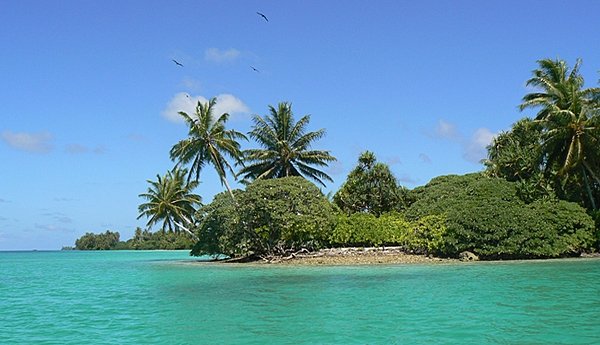
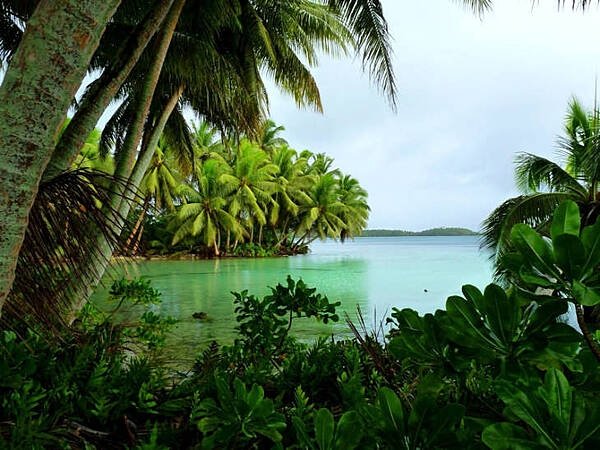
Palmyra AtollDiscover the enchanting allure of Palmyra Atoll, a hidden gem in the North Pacific where nature thrives in its most pristine form. Immerse yourself in the breathtaking landscapes that boast unspoiled beaches and vibrant coral reefs, teeming with life yet reserved for only the most dedicated researchers. As you explore the rich tapestry of wildlife, from the majestic Laysan albatrosses to the colorful array of marine species, you’ll find a unique sense of tranquility and purpose in this protected sanctuary. Palmyra Atoll, with its historic significance and ecological importance, invites the adventurous spirit to connect with the wild heart of the ocean, creating memories that linger like the gentle breeze that dances through its untouched shores.

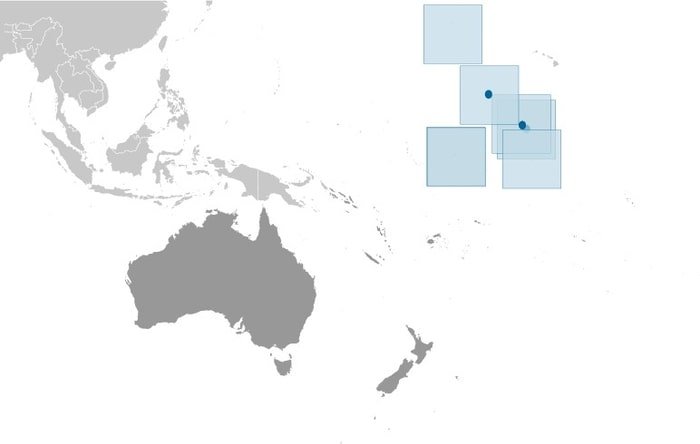
Comprehensive Travel Guide to Palmyra Atoll
General Information
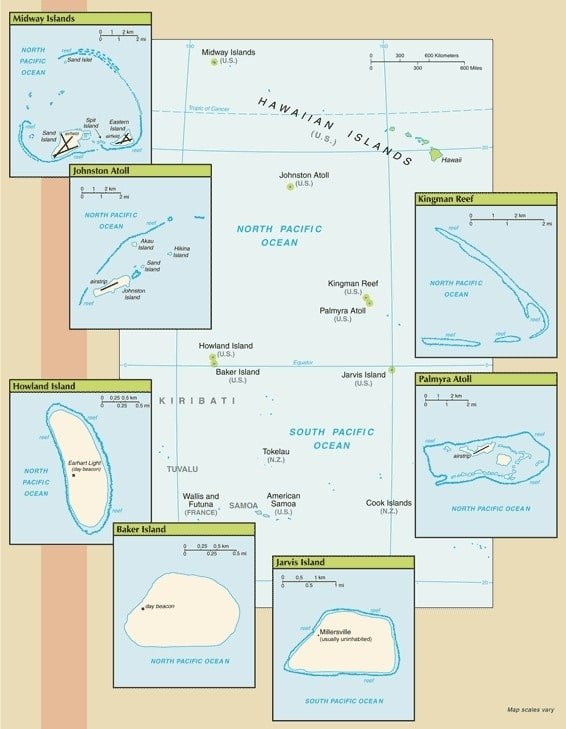
- Location: Central Pacific Ocean
- Status: Unincorporated U.S. Territory (Managed as a National Wildlife Refuge)
- Capital City: None (Uninhabited)
- Population: No permanent inhabitants (Only research personnel and conservation staff)
- Currency: United States Dollar (USD)
- Time Zone: UTC -11 (Palmyra Time)
- Official Language: English
- Dialing Code: N/A (Limited telecommunications infrastructure)
- Driving Side: N/A (No roads or vehicles)
Overview
Palmyra Atoll is a remote and ecologically significant coral atoll in the Pacific Ocean, approximately halfway between Hawaii and American Samoa. It is known for its untouched marine and terrestrial ecosystems and serves as an essential site for scientific research and conservation. Access is highly restricted and only granted for approved research and conservation projects.
Language and Communication
- Primary Language: English
- Communication: Limited satellite and radio communication.
- Internet & Mobile Network: Extremely limited; only available for official use.
Emergency and Safety Considerations
- Rescue Services: Extremely limited—nearest inhabited area is thousands of kilometers away.
- Medical Facilities: None—visitors must carry comprehensive medical kits.
- Environmental Challenges: Remote location, unpredictable weather, and strong ocean currents.
- Strict Environmental Protections: No fishing, collecting, or disturbance of wildlife allowed.
Currency and Money
- Currency: United States Dollar (USD)
- Payment Methods: Not applicable—no commercial activity or businesses.
Electricity and Plugs
- Power Supply: Limited solar and generator-based power.
- Voltage & Frequency: 120V, 60Hz (U.S. standard).
- Plug Type: Type A/B (U.S. standard).
Safety and Health
- Extreme Climate: High humidity, tropical storms, and occasional heavy rainfall.
- Wildlife Considerations: Seabirds, coconut crabs, and rich marine biodiversity.
- Isolation: No immediate medical or emergency services—self-sufficiency is required.
- Conservation Laws: Strict regulations on waste disposal and human activity.
Transportation
- Access: No commercial airport or harbor.
- How to Get There:
- Government & Research Expeditions: Permits required from U.S. Fish and Wildlife Service or The Nature Conservancy.
- Private Boats/Yachts: Special permission required.
- No Commercial Flights or Ferries.
Shopping & Souvenirs
- None: No shops or commercial establishments.
Festivals & Events
- None: No permanent inhabitants or cultural events.
Activities & Attractions
Natural and Ecological Significance
- Pristine Marine Ecosystem: Coral reefs, sharks, manta rays, and tropical fish.
- Seabird Populations: Important breeding ground for noddies, terns, and frigatebirds.
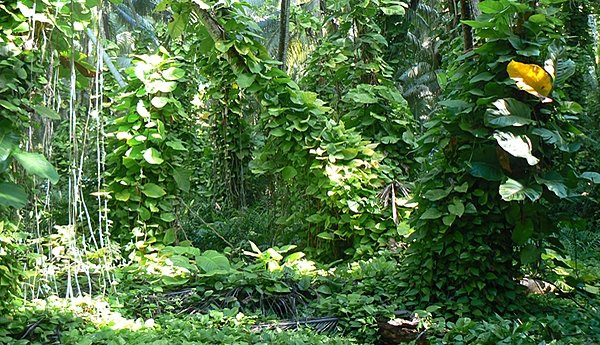
- Terrestrial Wildlife: Coconut crabs and lush native vegetation.
Scientific Research & Conservation
- Pacific Remote Islands Marine National Monument: Critical biodiversity hotspot.
- Climate Change & Ocean Studies: Monitoring of coral reefs and sea level rise.
- Invasive Species Management: Conservation efforts to restore native ecosystems.
Suggested Itineraries
5-Day Research Expedition (For Authorized Scientists & Conservationists)
Day 1: Arrival & Base Setup
- Arrive via research vessel or chartered flight.
- Establish temporary field stations.
Day 2: Marine Ecosystem Studies
- Conduct underwater biodiversity surveys.
- Monitor coral reef health and fish populations.
Day 3: Bird and Wildlife Observation
- Observe nesting seabirds and migration patterns.
- Document behavior of native and invasive species.
Day 4: Environmental and Climate Research
- Assess impacts of climate change on reef and island ecosystems.
- Collect samples for ongoing research.
Day 5: Departure & Conservation Compliance
- Ensure all equipment is removed.
- Return to base for documentation and data analysis.
10-Day Advanced Research Mission (For Marine Biologists & Ecologists)
Day 1-2: Arrival & Camp Setup
- Arrive via permitted vessel or aircraft.
- Establish temporary research stations.
Day 3-4: Marine Biology & Coral Reef Studies
- Conduct extensive reef monitoring and fish surveys.
- Analyze ocean temperature and chemistry changes.
Day 5-6: Seabird & Wildlife Research
- Tag and track seabird populations.
- Study impact of human activity and climate change.
Day 7-8: Conservation & Invasive Species Control
- Monitor effectiveness of habitat restoration efforts.
- Remove invasive plant species and assess ecosystem recovery.
Day 9-10: Pack Up & Departure
- Finalize data collection and secure research materials.
- Ensure strict compliance with conservation policies before departure.
Best Time to Visit
- Limited to Research Expeditions (Typically May – September)
- Favorable weather conditions.
- Lower risk of Pacific storms.
Connectivity
- Wi-Fi & Mobile Networks: Not available for public use.
- Satellite Communication: Required for emergency contact.
- Radio Communication: Used for official research expeditions.
Travel Tips
Government Permits Required: Only authorized personnel and researchers may visit.
Essential Survival Gear: Hydration, sun protection, and navigation tools are necessary.
Self-Sufficient Supplies: Bring all food, water, and medical necessities.
Respect Conservation Rules: Do not disturb wildlife, remove waste, or introduce foreign species.
Prepare for No Rescue Services: Nearest assistance is thousands of kilometers away.
Conclusion
Palmyra Atoll is one of the most untouched and ecologically significant places on Earth. As a protected wildlife refuge, it serves as a crucial site for scientific research and conservation. While public access is not permitted, researchers and conservationists have a unique opportunity to study and preserve this vital ecosystem. The strict access regulations ensure the atoll remains a pristine natural sanctuary for future generations.