Middle East
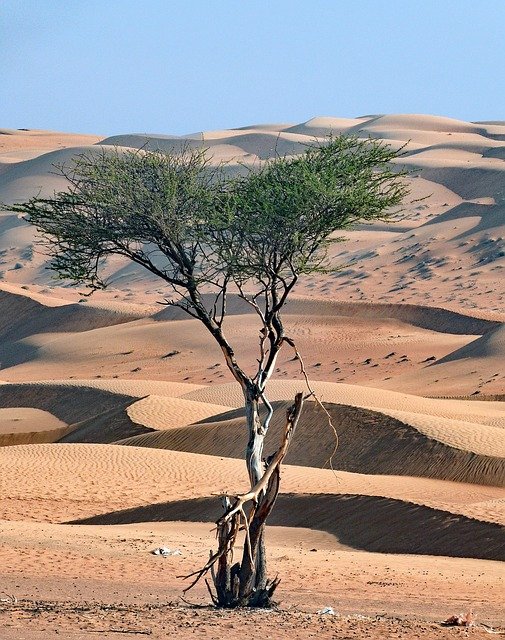
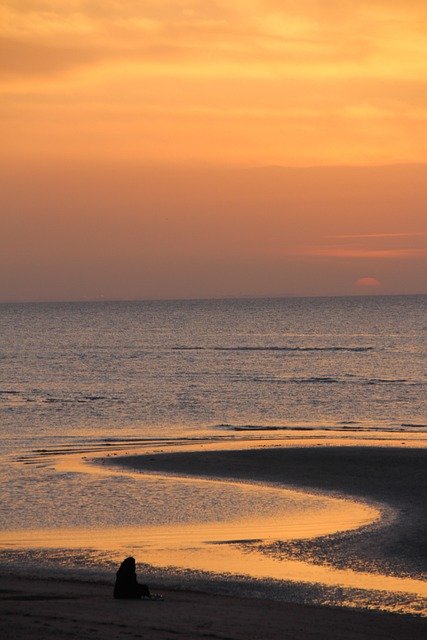
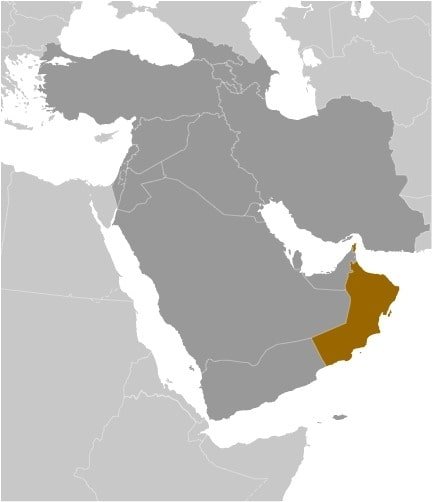
OmanNestled at the southeastern edge of the Arabian Peninsula, Oman beckons with its enchanting blend of rich history and breathtaking landscapes, offering a tapestry of experiences that captivate the soul. From the mesmerizing dunes of the Wahiba Sands to the tranquil azure waters of its pristine coastlines, Oman is a haven for those seeking adventure and serenity alike. Explore vibrant souks teeming with the aroma of spices, wander through the ancient forts that whisper tales of a glorious past, and savor the warm hospitality that defines this remarkable destination. In Oman, every moment unfolds a story, inviting you to dive deep into its culture, embrace its natural beauty, and create memories that will linger long after your journey ends.

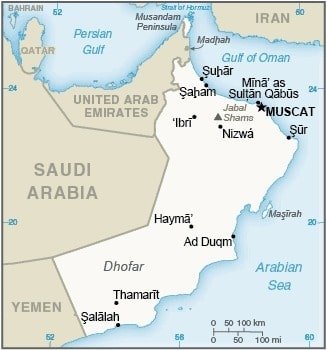
Comprehensive Travel Guide to Oman
General Information
- Capital City: Muscat
- Population: 3,901,992
- Currency: Omani Rial (OMR)
- Time Zone: Gulf Standard Time (GST), UTC +4
- Official Language: Arabic
- Dialing Code: +968
- Driving Side: Right
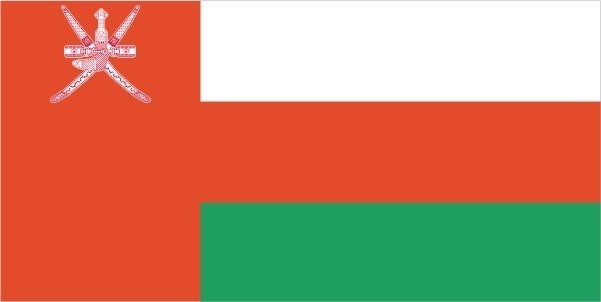
- Overview: Oman, known as the "Jewel of Arabia," offers a unique mix of ancient culture, stunning deserts, rugged mountains, pristine beaches, and vibrant cities. It is a safe and welcoming destination for travelers.
Language and Communication
- Primary Language: Arabic
- Other Languages: English is widely spoken, especially in urban areas and among the tourism industry.
- Helpful Phrases:
- Hello: Marhaba
- Thank You: Shukran
- How are you?: Kaifa Haluka? (to a male) / Kaifa Haluki? (to a female)
- Excuse Me: Afwan
- Yes/No: Na’am/La
Emergency Numbers
- Police: 9999
- Fire: 9999
- Ambulance: 9999
- From mobile phones : 112
Currency and Money
- Currency: Omani Rial (OMR)
- ATMs: Widely available in cities and towns.
- Credit Cards: Accepted in most urban establishments but may be less common in rural areas.
- Currency Exchange: Available at banks and exchange offices.
Electricity and Plugs
- Voltage: 240 V
- Frequency: 50 Hz
- Plug Types: Type G (British-style plugs).
- Adapter Needed: Yes, if your devices use a different plug type.
Safety and Health
- Safety:
- Oman is one of the safest countries in the Middle East.
- Avoid discussing sensitive political or religious topics.
- Health:
- Tap water is safe in cities but opt for bottled water in rural areas.
- Ensure routine vaccinations are up-to-date.
Transportation
- Public Transport:
- Limited bus services; most tourists rely on taxis or private transportation.
- Taxis: Widely available; negotiate fares before the trip.
- Car Rentals: Recommended for exploring remote areas and natural landmarks.
- Domestic Flights: Useful for traveling between Muscat and Salalah.
Activities and Attractions
Urban Highlights
- Muscat:
- Sultan Qaboos Grand Mosque: An architectural masterpiece.
- Mutrah Souq: A bustling market for souvenirs, spices, and handicrafts.
- Royal Opera House: A hub for cultural performances.
- Al Jalali and Al Mirani Forts: Historical forts overlooking the harbor.
- Nizwa:
- Famous for its fort and traditional market selling silverware and dates.
- Salalah:
- Known for the Khareef (monsoon) season, coconut groves, and frankincense trees.
Natural Wonders
- Wahiba Sands:
- Experience desert camping, dune bashing, and camel rides.
- Jebel Akhdar (Green Mountain):
- Perfect for hiking and exploring terraced fruit orchards.
- Jebel Shams (Mountain of the Sun):
- Oman’s highest peak, offering spectacular views of the Grand Canyon of Arabia.
- Wadi Shab:
- A stunning oasis with turquoise pools and caves.
- Ras Al Jinz:
- A turtle reserve where you can witness sea turtles nesting.
Coastal Attractions
- Musandam Peninsula:
- Known as the "Norway of Arabia" for its fjord-like landscape.
- Popular for dhow cruises and snorkeling.
- Masirah Island:
- A serene island ideal for kite surfing and spotting wildlife.
Food and Cuisine
- Traditional Dishes:
- Shuwa: Slow-cooked lamb marinated with spices.
- Majboos (Kabsa): Spiced rice with meat or chicken.
- Harees: A dish made from wheat and meat, often served during Ramadan.
- Mashuai: Grilled kingfish served with rice.
- Halwa: A sweet dessert made with saffron, rose water, and nuts.
- Dining Tips:
- Omani coffee (kahwa) and dates are a must-try.
- Tipping 10% is customary in upscale restaurants.
Shopping and Souvenirs
- What to Buy:
- Frankincense and myrrh.
- Omani silver jewelry.
- Handwoven rugs and baskets.
- Khanjars (traditional Omani daggers).
- Perfumes like Amouage, a luxury Omani brand.
- Where to Shop:
- Mutrah Souq in Muscat.
- Nizwa Souq for traditional crafts and dates.
Festivals and Events
- National Day (November 18):
- Parades, fireworks, and cultural celebrations.
- Khareef Festival (July-September):
- Celebrated in Salalah during the monsoon season.
- Muscat Festival (January-February):
- Showcases Omani heritage, crafts, and music.
Suggested Itineraries
3-Day Itinerary
- Day 1: Explore Muscat’s Grand Mosque, Mutrah Souq, and Royal Opera House.
- Day 2: Day trip to Nizwa and Jebel Akhdar.
- Day 3: Visit Wadi Shab and relax on a beach near Sur.
7-Day Itinerary
- Day 1-2: Discover Muscat’s attractions and enjoy a dhow cruise.
- Day 3: Explore Nizwa and its surrounding mountains.
- Day 4-5: Camp in Wahiba Sands and visit Wadi Bani Khalid.
- Day 6: Travel to Ras Al Jinz to see turtles.
- Day 7: Relax in Sur or return to Muscat.
Best Time to Visit
- Winter (October to April):
- Pleasant weather for outdoor activities.
- Summer (May to September):
- Hot in most regions but ideal for Salalah’s Khareef season.
Connectivity
- Wi-Fi: Widely available in hotels and cafes.
- SIM Cards: Purchase from providers like Omantel or Ooredoo for affordable data plans.
Travel Tips
- Dress modestly to respect local customs.
- Avoid public displays of affection.
- Always carry bottled water, especially when exploring remote areas.
- Fridays are a day of prayer, so many businesses may be closed.
- Respect photography restrictions at religious and cultural sites.
Conclusion
Oman offers an unparalleled blend of history, culture, and natural beauty. From the serene deserts to the lush green mountains and pristine beaches, the country has something for everyone. Its warm hospitality, rich traditions, and breathtaking landscapes make Oman a must-visit destination for travelers seeking unique experiences.