Africa
NigeriaNestled in the heart of West Africa, Nigeria is a vibrant tapestry of cultures, landscapes, and traditions, inviting adventurous spirits to explore its bustling markets, stunning natural wonders, and rich historical heritage. From the colorful festivals that breathe life into the streets to the diverse cuisines that tantalize the taste buds, Nigeria offers an unforgettable journey where every corner reveals a new story and every encounter connects you to its warmhearted people. As you wander through the majestic hills and lively urban centers, you'll find that the heartbeat of Nigeria lies in its resilience and creativity, making it a must-visit destination for those seeking to immerse themselves in Africa's dynamic spirit.


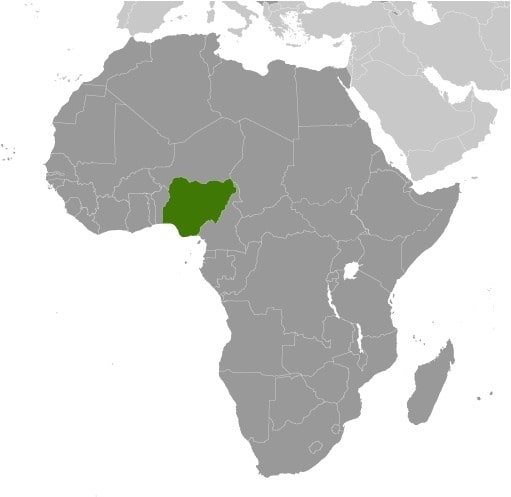
![Nigeria jpg [38.2 kB, 742.1686746987951 x 700] Nigeria map showing major cities as well as parts of surrounding countries and the Gulf of Guinea.](https://idyllic.travel/wp-content/uploads/2024/12/NI-map-min.jpg "Nigeria jpg [38.2 kB, 742.1686746987951 x 700] Nigeria map showing major cities as well as parts of surrounding countries and the Gulf of Guinea.")
Comprehensive Travel Guide to Nigeria
General Information
- Capital City: Abuja
- Largest City: Lagos
- Population: 236,747,130
- Currency: Nigerian Naira (NGN)
- Time Zone: West Africa Time (WAT), UTC +1
- Official Language: English
- Dialing Code: +234
- Driving Side: Right
- Highlights: Vibrant cities, diverse cultures, stunning landscapes, and rich history.
Language and Communication
- Primary Language: English
- Other Languages: Over 500 languages, including Hausa, Yoruba, Igbo, and Fulfulde.
- Helpful Phrases:
- Hello: Hello
- Thank You: Thank you (English) or Nagode (Hausa), Dalu (Igbo), E se (Yoruba)
- How are you?: How are you? (English) or Yaya kake? (Hausa), Kedu? (Igbo), Bawo ni? (Yoruba)
- Yes/No: Yes/No (English)
Emergency Numbers
- Police: 112 or 199
- Fire: 112 or 199
- Ambulance: 112 or 199
Currency and Money
- Currency: Nigerian Naira (NGN)
- ATMs: Widely available in urban areas, but use machines in secure locations.
- Credit Cards: Accepted in hotels, restaurants, and shops in cities.
- Currency Exchange: Available at banks, airports, and currency exchange bureaus.
Electricity and Plugs
- Voltage: 230 V
- Frequency: 50 Hz
- Plug Types: Type D and G (British-style plugs)
- Adapter Needed: Yes, if your devices use a different plug type.
Safety and Health
- Safety Tips:
- Avoid travel to certain northern and northeastern regions due to security concerns.
- Be cautious of petty theft and scams in crowded areas.
- Stay updated on local news and advisories.
- Health Tips:
- Recommended Vaccinations: Yellow fever (mandatory), Hepatitis A and B, Typhoid, Meningitis, and routine immunizations.
- Malaria: Use mosquito repellent and take antimalarial medication.
- Water Safety: Drink only bottled or boiled water.
Transportation
- Public Transport:
- Buses: Connect cities but may be overcrowded.
- Taxis and Ride-Sharing: Widely available in cities; negotiate fares for regular taxis or use apps like Bolt or Uber.
- Okadas and Keke Napeps: Motorbike and tricycle taxis for short distances, though safety may be an issue.
- Driving:
- Roads in major cities are paved, but rural roads may be in poor condition.
- Traffic congestion is common in cities like Lagos.
- Car rentals are available, but driving can be challenging due to traffic and local driving habits.
Activities and Attractions
Urban Highlights
- Lagos:
- Lekki Conservation Centre: A peaceful nature reserve with a canopy walkway.
- Nike Art Gallery: Showcasing Nigerian art and crafts.
- Tarkwa Bay Beach: Accessible by boat, perfect for relaxation.
- Freedom Park: A historic site transformed into a cultural center.
- Abuja:
- Aso Rock: A striking granite outcrop and significant landmark.
- Millennium Park: A large, serene park ideal for picnics.
- National Mosque and National Christian Centre: Iconic religious landmarks.
Natural Wonders
- Yankari National Park (Bauchi State):
- Known for its wildlife, including elephants, lions, and hippos, and the Wikki Warm Springs.
- Obudu Mountain Resort (Cross River State):
- A high-altitude resort offering breathtaking views, hiking, and a cable car ride.
- Gurara Falls (Niger State):
- A beautiful waterfall ideal for picnics and photography.
- Ikogosi Warm Springs (Ekiti State):
- A natural wonder where warm and cold springs meet.
Cultural Highlights
- Osun-Osogbo Sacred Grove (Osun State):
- A UNESCO World Heritage Site and a sacred forest dedicated to the goddess Osun.
- Benin City (Edo State):
- Known for its bronze sculptures and the National Museum of Benin.
- Calabar Carnival (Cross River State):
- Africa’s biggest street party, held every December.
Adventure Activities
- Hiking: Explore the Aso Rock or Obudu Mountains.
- Wildlife Safaris: Visit Yankari National Park.
- Beach Activities: Enjoy water sports and relaxation at Tarkwa Bay or Elegushi Beach.
Food and Cuisine
- Traditional Dishes:
- Jollof Rice: A flavorful rice dish with tomatoes, spices, and meat.
- Egusi Soup: Made with melon seeds, served with pounded yam or fufu.
- Suya: Spicy grilled meat skewers.
- Moi Moi: Steamed bean pudding.
- Akara: Fried bean cakes, a popular snack.
- Pepper Soup: Spicy broth made with fish or meat.
- Dining Tips:
- Street food is delicious and affordable but ensure it’s freshly prepared.
- Tipping is appreciated but not mandatory (5-10%).
Shopping and Souvenirs
- What to Buy:
- Aso Oke and Ankara fabrics
- Traditional masks and carvings
- Beaded jewelry and accessories
- Leather goods from Kano
- Nigerian spices and teas
- Where to Shop:
- Balogun Market (Lagos)
- Jabi Lake Mall (Abuja)
- Kurmi Market (Kano)
Festivals and Events
- Eyo Festival (Lagos):
- A vibrant Yoruba cultural celebration featuring masquerades.
- Durbar Festival (Northern Nigeria):
- Held after Eid celebrations, showcasing horsemen and cultural displays.
- Felabration (Lagos):
- A music festival honoring Fela Kuti, the pioneer of Afrobeat.
Suggested Itineraries
7-Day Itinerary
- Day 1-2: Explore Lagos: Lekki Conservation Centre, Nike Art Gallery, and Tarkwa Bay Beach.
- Day 3-4: Visit Abuja: Aso Rock, Millennium Park, and National Mosque.
- Day 5: Travel to Yankari National Park for wildlife and relaxation at Wikki Warm Springs.
- Day 6: Explore Osun-Osogbo Sacred Grove and learn about Yoruba culture.
- Day 7: Return to Lagos for shopping and local cuisine.
14-Day Itinerary
- Days 1-7: Follow the 7-day itinerary.
- Day 8-9: Visit Obudu Mountain Resort for hiking and stunning views.
- Day 10-11: Explore Benin City and its historical artifacts.
- Day 12: Discover Gurara Falls for a day of nature and relaxation.
- Day 13: Attend a festival or cultural event, depending on the season.
- Day 14: Wrap up in Lagos with a visit to Freedom Park and last-minute shopping.
Best Time to Visit
- Dry Season (November to February):
- Ideal for travel and outdoor activities.
- Wet Season (March to October):
- Lush landscapes but heavy rains may disrupt travel.
Connectivity
- Wi-Fi: Available in hotels and cafes in urban areas.
- SIM Cards: Purchase from providers like MTN, Airtel, or Glo for mobile data.
Travel Tips
- Dress modestly, especially in rural or conservative areas.
- Always carry identification or a copy of your passport.
- Hire a local guide for safety and insider knowledge.
- Avoid displaying valuables in public.
- Stay updated on local security and health advisories.
Conclusion
Nigeria offers a dynamic mix of vibrant cities, cultural richness, and natural beauty. From the bustling streets of Lagos to the serene landscapes of the Obudu Mountains and the cultural treasures of Benin and Osogbo, Nigeria is a destination that promises unforgettable experiences for all types of travelers.