Central America and the Caribbean
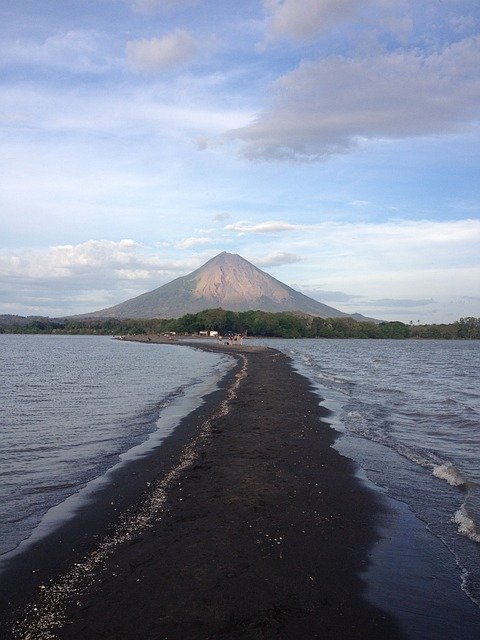
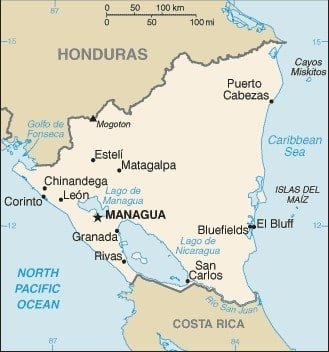
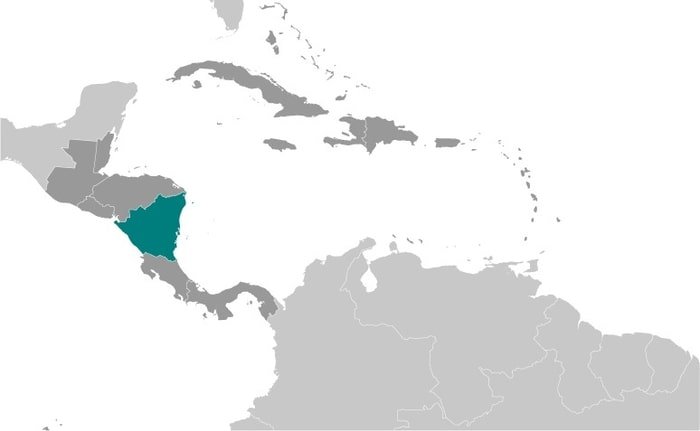
NicaraguaNicaragua, a captivating gem nestled in Central America, invites you to experience its vibrant culture and breathtaking landscapes that blend natural beauty with rich history. From the tranquil shores of Lake Nicaragua, where the enchanting sights of volcanic islands meet the horizon, to the colorful streets of Granada, every corner tells a story steeped in tradition and warmth. Adventure awaits in the lush jungles, where exotic wildlife thrives, and the rhythmic sounds of local music fill the air, celebrating the spirit of its resilient people. Indulge in the tantalizing flavors of Nicaraguan cuisine, where each dish is a testament to the country's diverse heritage, and let the warmth of its communities envelop you, making every moment of your journey unforgettable. Whether you’re trekking through volcanic landscapes or soaking in the vibrant arts scene, Nicaragua promises an exploration filled with wonder and discovery, perfect for the adventurous soul seeking her next story.
Comprehensive Travel Guide to Nicaragua
General Information
- Capital City: Managua
- Population: 6,676,948
- Currency: Nicaraguan Córdoba (NIO)
- Time Zone: Central Standard Time (CST), UTC -6
- Official Language: Spanish
- Dialing Code: +505
- Driving Side: Right
- Highlights: Volcanic landscapes, colonial cities, pristine beaches, and rich cultural heritage.
Language and Communication
- Primary Language: Spanish
- Other Languages: Indigenous languages like Miskito, Sumo, and Garifuna are spoken in some regions.
- Helpful Phrases:
- Hello: Hola
- Thank You: Gracias
- How are you?: ¿Cómo estás?
- Excuse Me: Disculpe
- Yes/No: Sí/No
Emergency Numbers
- Police: 118
- Fire Department: 115, 911
- Ambulance: 128
Currency and Money
- Currency: Nicaraguan Córdoba (NIO)
- ATMs: Found in major cities and towns; may charge fees for international cards.
- Credit Cards: Widely accepted in urban areas but carry cash for rural regions.
- Currency Exchange: Available at banks and authorized exchange offices.
Electricity and Plugs
- Voltage: 120 V
- Frequency: 60 Hz
- Plug Types: Type A and B (North American-style plugs)
- Adapter Needed: Yes, if your devices use a different plug type.
Safety and Health
- Safety Tips:
- Nicaragua is relatively safe, but exercise caution against petty theft in crowded areas.
- Avoid discussing sensitive political topics.
- Health Tips:
- Recommended Vaccinations: Hepatitis A and B, Typhoid, and routine immunizations.
- Malaria: Rare, but carry insect repellent and take precautions against mosquito bites.
- Water Safety: Drink bottled or boiled water.
Transportation
- Public Transport:
- Buses: Cheap but often crowded; chicken buses (converted school buses) are common.
- Taxis: Affordable in cities; negotiate fares before starting the trip.
- Driving:
- Roads in cities and main highways are generally good.
- In rural areas, roads may be unpaved; a 4WD vehicle is recommended.
- Be cautious of pedestrians and animals on the road.
Activities and Attractions
Urban Highlights
- Managua:
- Old Cathedral of Managua: A striking historic landmark.
- Tiscapa Lagoon: Great views and zip-lining.
- National Palace of Culture: Learn about Nicaragua’s history and art.
- Granada:
- Explore the colonial architecture and vibrant streets.
- Visit the Isletas, a group of small volcanic islands on Lake Nicaragua.
- Mombacho Volcano: Hike the trails or take a coffee plantation tour.
- León:
- León Cathedral: A UNESCO World Heritage Site with panoramic rooftop views.
- Cerro Negro: Try volcano boarding on this active volcano.
Natural Wonders
- Volcanoes:
- Masaya Volcano: Famous for its glowing lava lake.
- Telica Volcano: Known for its crater hikes and spectacular sunsets.
- Concepción and Maderas: Twin volcanoes on Ometepe Island, perfect for hiking.
- Lakes and Beaches:
- Lake Nicaragua: The largest freshwater lake in Central America, with opportunities for boating and fishing.
- Ometepe Island: Formed by two volcanoes, offering hiking, kayaking, and a tranquil atmosphere.
- Corn Islands: Stunning Caribbean islands ideal for snorkeling, diving, and relaxing.
Beaches
- San Juan del Sur: A vibrant beach town popular for surfing and nightlife.
- Playa Maderas: Great for surfing and a relaxed vibe.
- Las Peñitas: A quieter beach near León, perfect for relaxation and local seafood.
- Little Corn Island: Remote, serene beaches with crystal-clear waters.
Food and Cuisine
- Traditional Dishes:
- Gallo Pinto: A staple dish of rice and beans.
- Vigorón: Yucca topped with pork rinds and cabbage salad.
- Nacatamal: Corn dough stuffed with meat, wrapped in banana leaves.
- Rondón: A seafood stew with coconut milk, plantains, and spices.
- Quesillo: A tortilla filled with cheese, onions, and sour cream.
- Dining Tips:
- Street food is popular and often delicious.
- Tipping is not mandatory but appreciated (5-10%).
Shopping and Souvenirs
- What to Buy:
- Handcrafted pottery and ceramics from San Juan de Oriente.
- Hammocks from Masaya.
- Traditional textiles and embroidery.
- Coffee and rum (Flor de Caña is a famous Nicaraguan brand).
- Wooden carvings and jewelry.
- Where to Shop:
- Masaya Market: A hub for crafts and souvenirs.
- Local artisan shops in Granada and León.
Festivals and Events
- La Purísima (December): A vibrant celebration of the Virgin Mary.
- Semana Santa (Holy Week): Parades and religious processions.
- Fiesta de Santo Domingo (August): Colorful celebrations in Managua.
- International Poetry Festival (February): Held in Granada, showcasing poets from around the world.
- Corn Island Crab Soup Festival (August): A culinary and cultural event on the Corn Islands.
Suggested Itineraries
7-Day Itinerary
- Day 1: Explore Managua’s landmarks and Tiscapa Lagoon.
- Day 2: Drive to Granada; visit the Isletas and Mombacho Volcano.
- Day 3: Tour Masaya Volcano and Masaya Market.
- Day 4-5: Head to San Juan del Sur for beaches and surfing.
- Day 6: Explore León’s colonial sites and volcano board at Cerro Negro.
- Day 7: Relax on the beaches of Las Peñitas or Corn Islands.
14-Day Itinerary
- Days 1-7: Follow the 7-day itinerary.
- Day 8-9: Visit Ometepe Island for hiking and kayaking.
- Day 10: Discover the natural beauty of Somoto Canyon.
- Day 11-12: Travel to Little Corn Island for snorkeling and beach time.
- Day 13: Explore Estelí and its surrounding coffee plantations.
- Day 14: Return to Managua for final shopping and dining.
Best Time to Visit
- Dry Season (November to April): Ideal for outdoor activities and beach trips.
- Wet Season (May to October): Lush landscapes but expect heavy rains, particularly in September and October.
Connectivity
- Wi-Fi: Widely available in urban areas and tourist destinations.
- SIM Cards: Purchase from Claro or Tigo for reliable mobile coverage.
Travel Tips
- Pack light clothing suitable for warm weather, but include rain gear if traveling in the wet season.
- Learn some basic Spanish phrases to ease communication.
- Use sunscreen and insect repellent to protect against strong sun and mosquitoes.
- Stay updated on local political situations and avoid large gatherings.
- Bring comfortable footwear for hiking and exploring.
Conclusion
Nicaragua, the “Land of Lakes and Volcanoes,” offers an unbeatable mix of natural beauty, rich culture, and adventure. From the colonial charm of Granada and León to the serene beaches of the Corn Islands, there’s something for every type of traveler. Whether you’re seeking relaxation, exploration, or adrenaline-pumping activities, Nicaragua promises an unforgettable journey.