Australia and Oceania
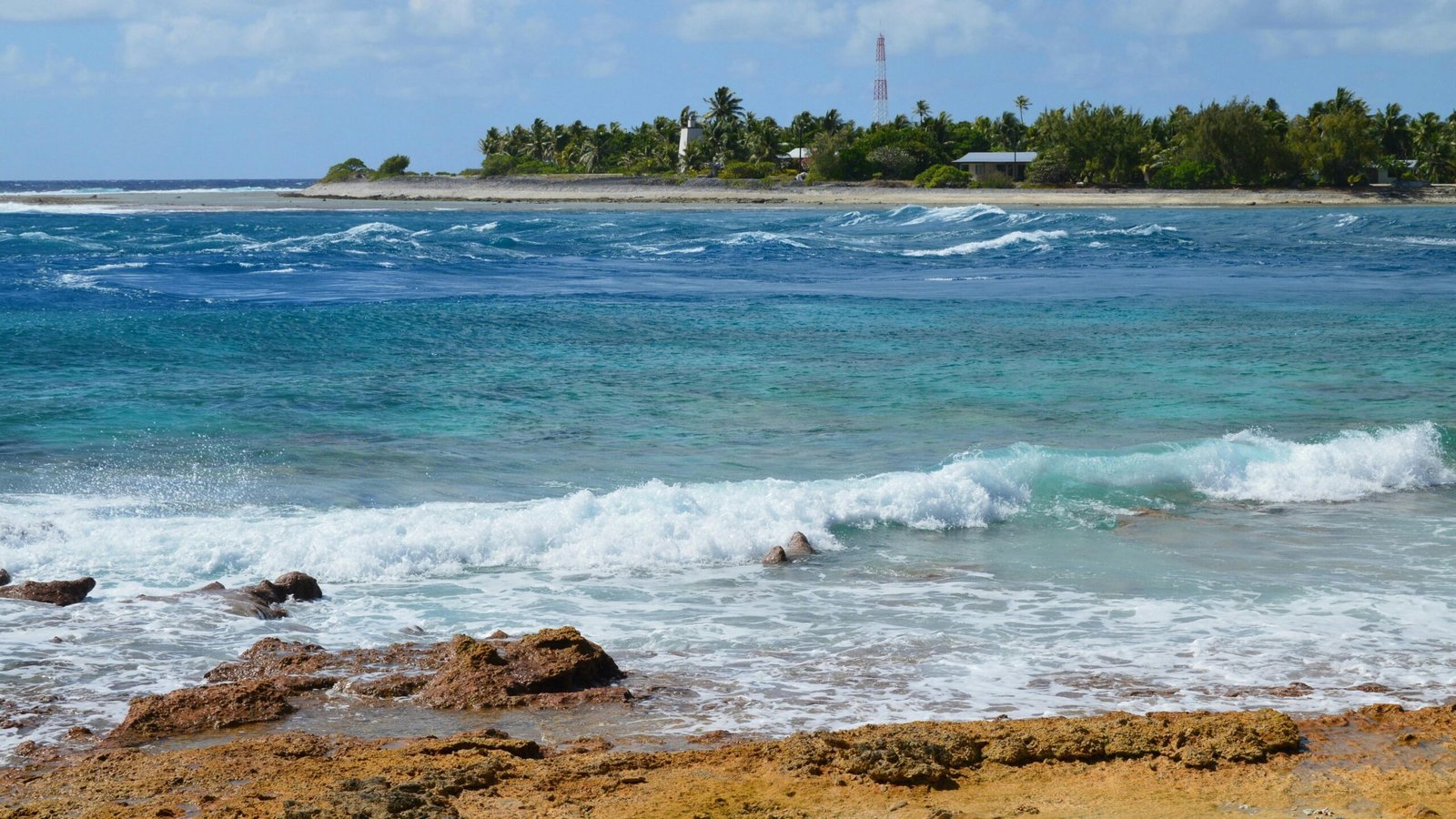
NauruNestled in the heart of the Pacific, Nauru invites you to explore its unique charm, where vibrant traditions intertwine with breathtaking natural beauty. Picture yourself basking on sun-kissed beaches, discovering hidden lagoons, and immersing in the rich cultural tapestry that shapes this tiny island nation. As you wander through lush landscapes adorned with tropical flora and fauna, you'll encounter warm locals eager to share their stories and customs. From savoring delicious seafood delicacies to participating in local festivals, Nauru offers an authentic and enriching experience that resonates long after your journey ends. Embrace the spirit of adventure and let Nauru's serene vibe recharge your soul.



Comprehensive Travel Guide to Nauru
General Information
- Capital: No official capital; government offices are in Yaren District.
- Population: 9,892
- Currency: Australian Dollar (AUD)
- Time Zone: UTC +12
- Official Language: Nauruan
- Other Languages: English (widely spoken and used for government and business)
- Dialing Code: +674
- Driving Side: Left
Nauru, the world’s smallest island nation, offers a tranquil and off-the-beaten-path experience for travelers. Known for its phosphate mining history, the island boasts unique landscapes, a rich local culture, and an inviting community.
Language and Communication
- Primary Language: Nauruan is the local language, with English widely spoken.
- Helpful Phrases:
- Hello: Ekamowir Omo
- Thank you: Tubwa
- Goodbye: Abwiri
Emergency Numbers
- Police: 110
- Fire Brigade: 112
- Ambulance: 111
Currency and Money
- Currency: Australian Dollar (AUD).
- ATMs: Limited availability; bring enough cash for your stay.
- Credit Cards: Accepted in larger establishments; cash is essential in local areas.
- Currency Exchange: Not widely available; exchange money before arrival.
Electricity and Plugs
- Voltage: 240 V
- Frequency: 50 Hz
- Plug Types: Type I (Australian-style plug).
- Adapter Needed: Yes, if your plugs differ.
Safety and Health
Safety
- General Safety: Nauru is very safe for travelers. Crime is rare, and locals are welcoming.
- Natural Hazards: Be cautious of strong currents when swimming.
Health
- Vaccinations: Routine vaccinations, Hepatitis A, and Typhoid are recommended.
- Water Safety: Tap water is not potable; drink bottled or boiled water.
- Medical Facilities: Limited healthcare facilities; serious medical conditions may require evacuation.
Transportation
Getting There
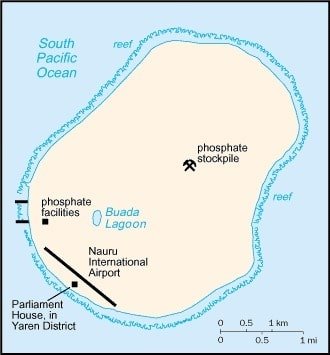
- Air Travel: Nauru International Airport (INU) is the main entry point, with flights operated by Nauru Airlines connecting to Brisbane, Fiji, and other Pacific destinations.
Local Transport
- Car Rentals: Limited availability; some hotels may arrange vehicles.
- Public Transport: No public buses; locals often rely on private vehicles.
- Taxis: Few taxis operate; pre-arranged transport is recommended.
- Cycling: Popular for getting around the island.
Activities and Attractions
Natural Wonders
- Anibare Bay:
- A stunning beach with white sand and clear blue water, perfect for swimming and relaxation.
- Buada Lagoon:
- A serene freshwater lagoon surrounded by lush vegetation.
- Command Ridge:
- The highest point on the island, offering remnants of Japanese World War II bunkers and stunning views.
- Moqua Caves and Moqua Well:
- A cave system with an underground freshwater lake, ideal for exploration.
- Phosphate Mines:
- Explore the remnants of the island’s phosphate mining history and its unique landscape.
Cultural and Historical Sites
- Parliament House:
- Visit the seat of Nauru's government in Yaren District.
- Japanese WWII Guns:
- Historical relics from the island’s role in World War II.
- Church of Our Lady of Lourdes:
- A prominent Catholic church in Nauru with cultural and historical significance.
Outdoor Activities
- Fishing: Deep-sea fishing is a popular activity among locals and tourists alike.
- Snorkeling and Diving: The waters around Nauru are teeming with marine life.
Festivals and Events
- Angam Day (October 26):
- A national celebration commemorating the island's survival and population milestones.
- Independence Day (January 31):
- Marking the day Nauru gained independence from Australia, the UK, and New Zealand in 1968.
- Constitution Day (May 17): Marked by sports competitions and community gatherings.
Food and Cuisine
Must-Try Dishes
- Coconut Fish: Fish marinated in coconut milk and lime.
- Taro and Breadfruit: Local staples often served with seafood.
- Ika (Raw Fish Salad): A Pacific delicacy made with lime, coconut milk, and fresh fish.
- Banana Cake: A popular dessert on the island.
Dining Tips
- Meals are often simple but fresh, with seafood being a primary ingredient.
- Dining options are limited; most are found in hotels or small eateries.
Shopping and Souvenirs
- Handicrafts: Locally made woven baskets, mats, and hats.
- Phosphate Rocks: Unique souvenirs reflecting Nauru’s mining history.
- Coconut Products: Oils, soaps, and other items made from coconuts.
Best Time to Visit
- Dry Season (May to October):
- Pleasant weather with cooler temperatures and less rainfall.
- Wet Season (November to April):
- Higher humidity and occasional heavy rains.
Connectivity
- Wi-Fi: Limited and often slow; available in hotels and some public areas.
- SIM Cards: Purchase from Digicel, the local telecom provider.
- Mobile Coverage: Good in populated areas but limited elsewhere.
Suggested Itineraries
3-Day Itinerary
Day 1: Explore Anibare Bay, Command Ridge, and Japanese WWII relics.
Day 2: Visit Buada Lagoon and Moqua Caves, then relax at a local beach.
Day 3: Learn about Nauru’s phosphate history and shop for local crafts.
5-Day Itinerary
Days 1-2: Follow the 3-day itinerary.
Day 3: Go snorkeling or diving in Nauru’s clear waters.
Day 4: Enjoy a fishing trip and savor local seafood.
Day 5: Experience Angam House to learn more about Nauruan culture.
Travel Tips
- Visas: Check visa requirements; many nationalities can obtain a visa on arrival.
- Packing: Lightweight clothing, sunscreen, mosquito repellent, and sturdy shoes for exploring.
- Respect Local Customs: Be mindful of modest dress and local traditions.
Conclusion
Nauru is a unique destination offering an intimate glimpse into island life in the Pacific. While its size may be small, its history, culture, and natural beauty make it a fascinating place to visit. Ideal for those seeking solitude and off-the-beaten-path adventures, Nauru is a gem waiting to be explored.