Comprehensive Travel Guide to Montenegro
General Information
- Capital: Podgorica
- Population: 599,849
- Currency: Euro (EUR)
- Time Zone: Central European Time (CET), UTC +1; Daylight Saving Time (UTC +2)
- Official Language: Montenegrin
- Dialing Code: +382
- Driving Side: Right
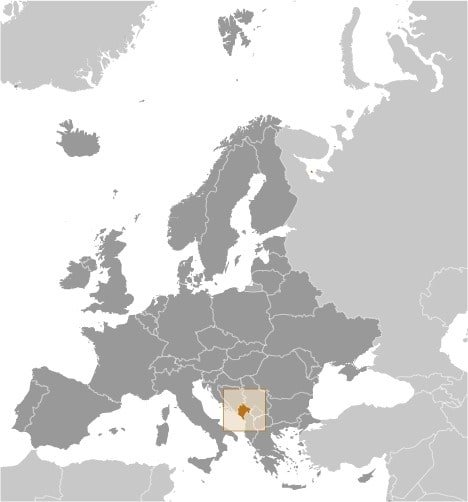
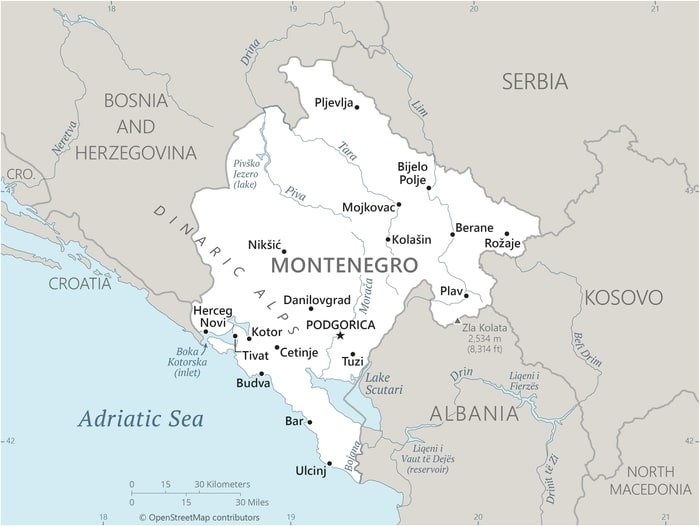
Montenegro, nestled in the heart of the Balkans, offers a harmonious blend of stunning coastlines, historic towns, and rugged mountains. Known for its Adriatic beaches, UNESCO-listed sites, and vibrant cultural heritage, Montenegro is a haven for nature lovers and history enthusiasts.
Language and Communication
- Primary Language: Montenegrin (written in Latin and Cyrillic scripts)
- Commonly Spoken: English is widely understood in tourist areas, along with Serbian, Bosnian, and Croatian.
- Helpful Phrases:
- Hello: Zdravo
- Thank You: Hvala
- Please: Molim
- How much does it cost?: Koliko košta?
Emergency Numbers
- Police: 122 or 112
- Fire: 123 or 112
- Ambulance: 124 or 112
Currency and Money
- Currency: Euro (EUR), even though Montenegro is not a member of the Eurozone.
- ATMs: Widely available in cities and tourist areas.
- Credit Cards: Accepted in most hotels, restaurants, and shops.
- Currency Exchange: Available at banks and exchange offices.
Electricity and Plugs
- Voltage: 230 V
- Frequency: 50 Hz
- Plug Types: Type C and F (European-style plugs).
- Adapter Needed: Yes, for travelers from countries with different plug types.
Safety and Health
Safety
- General Safety: Montenegro is considered a safe country for travelers.
- Precautions:
- Be cautious of pickpockets in crowded areas.
- Exercise caution when driving on mountain roads.
Health
- Vaccinations: Routine vaccinations are sufficient.
- Water Safety: Tap water is generally safe to drink.
- Healthcare: Medical facilities are available in cities, but rural areas may have limited access. Travel insurance is recommended.
Transportation
Public Transport
- Buses: The most common and affordable way to travel between cities.
- Taxis: Widely available; use licensed companies or apps like Bolt to avoid overcharging.
Intercity Transport
- Trains: Limited routes, but the Bar-Belgrade railway offers a scenic journey.
- Car Rentals: A good option for exploring rural and coastal areas.
- Ferries: Operate across the Bay of Kotor and between coastal towns.
Activities and Attractions
Urban Highlights
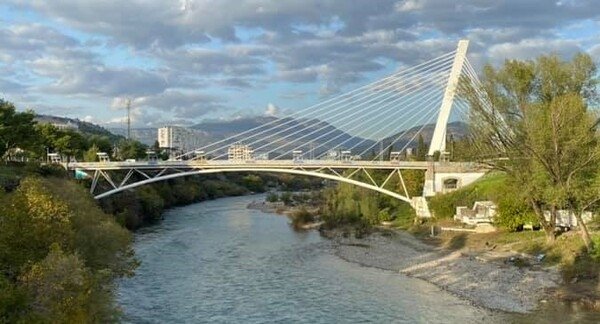
- Podgorica:
- Millennium Bridge: A modern symbol of Montenegro’s capital.
- Old Town: Explore Ottoman-era mosques and historic sites.
- Kotor:
- Kotor Old Town: A UNESCO World Heritage Site with narrow streets and medieval architecture.
- Kotor Fortress: Hike up for breathtaking views of the Bay of Kotor.
- Budva:
- Budva Old Town: A charming area with Venetian walls and lively nightlife.
- Slovenska Beach: A popular spot for relaxation.
Natural Wonders
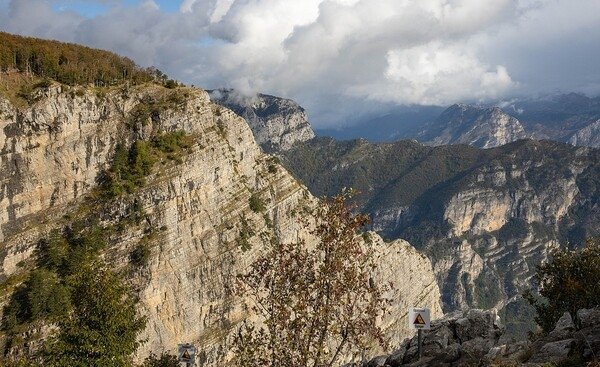
- Durmitor National Park:
- A UNESCO site featuring glacial lakes, rugged peaks, and the Tara River Canyon (Europe’s deepest canyon).
- Activities: Hiking, rafting, and skiing.
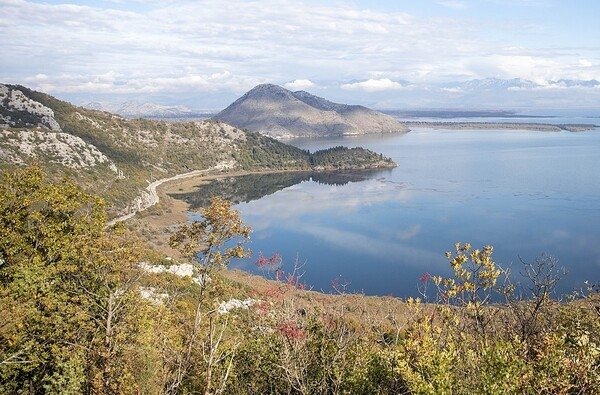
- Lake Skadar:
- The largest lake in the Balkans, perfect for birdwatching and boat tours.
- Shared with Albania.
- Lovćen National Park:
- Famous for its scenic drives and the Mausoleum of Njegoš, a revered Montenegrin figure.
- Sveti Stefan:
- A picturesque islet and luxury resort, accessible only to guests but a popular photo spot.
Festivals and Events
- Mimosa Festival (February-March): Celebrating the arrival of spring with parades, concerts, and local food in Herceg Novi.
- Kotor Carnival (August): A lively event featuring parades, costumes, and parties.
- Lake Fest (July): A popular rock music festival held near Lake Krupac in Nikšić.
- Montenegro Film Festival (August): Hosted in Herceg Novi, showcasing regional and international cinema.
Food and Cuisine
Must-Try Dishes
- Njeguški Pršut: Dry-cured ham from the Njeguši region.
- Kačamak: A hearty dish made with cornmeal, potatoes, and cheese.
- Cevapi: Grilled minced meat sausages, a Balkan staple.
- Buzara: A seafood dish cooked in white wine, garlic, and herbs.
Dining Tips
- Tipping (5-10%) is appreciated in restaurants.
- Fresh seafood is a highlight, especially along the coast.
Shopping and Souvenirs
- Handmade Jewelry: Often inspired by traditional designs.
- Local Wines and Rakija: Try Vranac wine and fruit brandy.
- Wool Products: Blankets, hats, and socks made from local sheep wool.
- Artisanal Honey: A sweet and authentic gift.
Best Time to Visit
- Spring (April to June): Ideal weather for exploring cities and nature.
- Summer (July to August): Peak tourist season with warm weather and lively coastal towns.
- Autumn (September to October): Mild weather with fewer tourists and stunning fall colors.
- Winter (December to March): Best for skiing in Durmitor and Kolasin.
Connectivity
- Wi-Fi: Available in most hotels, cafes, and restaurants.
- SIM Cards: Purchase from providers like Telenor, MTel, or Telekom.
- Mobile Coverage: Reliable in cities; may be limited in remote mountain areas.
Suggested Itineraries
3-Day Itinerary
Day 1: Explore Kotor Old Town and hike to the fortress for views of the bay.
Day 2: Day trip to Durmitor National Park for hiking or rafting.
Day 3: Visit Budva’s Old Town and relax on Slovenska Beach.
7-Day Itinerary
Days 1-2: Explore Kotor and Perast.
Days 3-4: Adventure in Durmitor National Park and Tara Canyon.
Day 5: Discover Podgorica and Lake Skadar.
Days 6-7: Relax in Budva and visit Sveti Stefan.
Travel Tips
- Local Etiquette: Respect Montenegro's traditions and greet locals with a friendly "Zdravo."
- Packing: Bring comfortable shoes for walking and layers for varying climates.
- Driving: Be cautious on mountain roads; traffic laws are strictly enforced.
Conclusion
Montenegro is a hidden gem offering a rich tapestry of history, natural beauty, and cultural experiences. Whether you're marveling at the medieval charm of Kotor, hiking through the dramatic landscapes of Durmitor, or soaking up the sun on the Adriatic coast, Montenegro promises unforgettable memories. With its warm hospitality and stunning scenery, it’s a destination that captivates every traveler.