East and Southeast Asia
MongoliaDiscover the enchanting realm of Mongolia, where vast steppes meet rugged mountains, and nomadic traditions intertwine with modern life. This breathtaking destination invites you to traverse its sweeping landscapes on horseback, immerse yourself in the warm hospitality of its ger-dwelling families, and witness the awe-inspiring Naadam Festival, a vibrant celebration of culture and heritage. Explore the mystical Gobi Desert, where ancient secrets lie hidden beneath the sands, and gaze upon the mesmerizing beauty of Lake Khövsgöl, often referred to as the "Blue Pearl" of Mongolia. With each step, experience a land steeped in rich history and boundless adventure, offering an unforgettable journey that resonates deeply with the spirit of wanderlust.


Comprehensive Travel Guide to Mongolia
General Information
- Capital: Ulaanbaatar
- Population: 3,281,676
- Currency: Mongolian Tögrög (MNT)
- Time Zone: Mongolian Standard Time (MST), UTC +8; Western Mongolia is UTC +7
- Official Language: Mongolian
- Dialing Code: +976
- Driving Side: Right
Known as the "Land of the Eternal Blue Sky," Mongolia is a unique destination offering vast open landscapes, nomadic traditions, and stunning natural wonders. With a history deeply rooted in the legacy of Genghis Khan and a culture defined by its nomadic lifestyle, Mongolia is perfect for travelers seeking adventure and serenity.
Language and Communication
- Primary Language: Mongolian (Cyrillic script)
- Commonly Spoken: Russian and English are increasingly spoken in urban areas and among younger people.
- Helpful Phrases:
- Hello: Сайн байна уу? (Sain bainuu?)
- Thank You: Баярлалаа (Bayarlalaa)
- How much does it cost?: Энэ хэд вэ? (Ene khed ve?)
Emergency Numbers
- Police: 102 or 112
- Fire: 101 or 112
- Ambulance: 103 or 112
Currency and Money
- Currency: Mongolian Tögrög (MNT)
- ATMs: Available in cities like Ulaanbaatar, but scarce in rural areas.
- Credit Cards: Accepted in major hotels, restaurants, and shops in Ulaanbaatar. Carry cash for remote areas.
- Currency Exchange: Available at banks, hotels, and currency exchange offices in cities.
Electricity and Plugs
- Voltage: 220 V
- Frequency: 50 Hz
- Plug Types: Type C and Type E (European-style plugs).
- Adapter Needed: Yes, for travelers from countries with different plug types.
Safety and Health
Safety
- General Safety: Mongolia is considered safe, but take precautions in crowded areas to avoid petty theft.
- Precautions:
- Avoid walking alone late at night in Ulaanbaatar.
- Beware of scams or overpricing aimed at tourists.
Health
- Vaccinations: Routine vaccinations, along with Hepatitis A, Typhoid, and Rabies (if engaging in outdoor activities), are recommended.
- Water Safety: Drink bottled or boiled water.
- Healthcare: Medical facilities in Ulaanbaatar are adequate; rural areas have limited healthcare services. Travel insurance is essential.
Transportation
Public Transport
- Buses: Limited and crowded in Ulaanbaatar, but inexpensive.
- Taxis: Widely available; negotiate fares beforehand or use ride-hailing apps like "UB Cab."
Intercity Transport
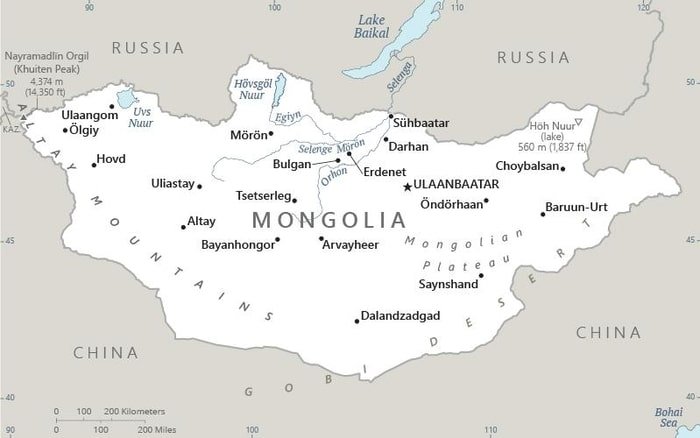
- Domestic Flights: Flights connect Ulaanbaatar to major cities like Khovd and Dalanzadgad.
- Trains: The Trans-Mongolian Railway offers a scenic route connecting Ulaanbaatar to Russia and China.
- Car Rentals: Ideal for exploring remote areas, but a 4x4 and an experienced driver are recommended.
Activities and Attractions
Urban Highlights
- Ulaanbaatar:
- Gandan Monastery: A stunning Buddhist monastery and one of Mongolia’s most important religious sites.
- National Museum of Mongolia: Explore exhibits showcasing Mongolia's rich history and culture.
- Zaisan Memorial: A hilltop monument offering panoramic views of the city.
Natural Wonders
- Gobi Desert:
- Explore vast sand dunes, flaming cliffs, and the iconic Khongoryn Els dunes.
- Experience a camel ride and stay in a traditional ger (yurt).
- Lake Khövsgöl: Known as the "Blue Pearl of Mongolia," this pristine freshwater lake is perfect for kayaking and hiking.
- Terelj National Park: Close to Ulaanbaatar, offering stunning rock formations, hiking trails, and cultural experiences.
Historical and Cultural Sites
- Orkhon Valley: A UNESCO World Heritage Site and the cradle of nomadic culture.
- Karakorum: The ancient capital of the Mongol Empire, featuring the Erdene Zuu Monastery.
- Statue of Genghis Khan: A massive equestrian statue honoring Mongolia's legendary leader.
Festivals and Events
- Naadam Festival (July): Mongolia’s biggest event, featuring traditional sports like wrestling, horse racing, and archery.
- Golden Eagle Festival (October): Celebrate the ancient art of eagle hunting in Western Mongolia.
- Tsagaan Sar (Lunar New Year): A significant cultural celebration marked by feasting and traditional rituals.
- Ice Festival (March): Held on Lake Khövsgöl, featuring ice sculptures, horse sledding, and winter sports.
Food and Cuisine
Must-Try Dishes
- Buuz: Steamed dumplings filled with meat.
- Khorkhog: A traditional barbecue made with meat, hot stones, and vegetables.
- Bansh: Small boiled dumplings, often served in soups.
- Aaruul: Dried cheese snacks made from curd.
Dining Tips
- Meals are meat-heavy; vegetarian options may be limited, especially in rural areas.
- Tipping is appreciated but not mandatory (5-10%).
Shopping and Souvenirs
- Cashmere: High-quality cashmere clothing is a popular souvenir.
- Traditional Handicrafts: Items like felt rugs, leather goods, and horsehair accessories.
- Throat Singing CDs: A unique Mongolian cultural treasure.
- Eagle Hunter Artwork: Paintings and sculptures representing the eagle-hunting tradition.
Best Time to Visit
- Spring (April to May): Mild weather with blooming landscapes, ideal for outdoor exploration.
- Summer (June to August): Peak travel season with warm weather and major festivals like Naadam.
- Autumn (September to October): Cool weather with fewer tourists and stunning fall colors.
- Winter (November to March): Extremely cold, but offers unique experiences like the Ice Festival and snow-covered landscapes.
Connectivity
- Wi-Fi: Available in hotels, cafes, and public areas in cities.
- SIM Cards: Purchase from providers like Mobicom, Unitel, or G-Mobile for mobile data.
- Mobile Coverage: Reliable in cities but limited in remote regions.
Suggested Itineraries
3-Day Itinerary
Day 1: Explore Ulaanbaatar’s cultural landmarks, including Gandan Monastery and the National Museum.
Day 2: Day trip to Terelj National Park, including the Genghis Khan Statue Complex.
Day 3: Visit the Hustai National Park to spot wild takhi horses.
7-Day Itinerary
Days 1-2: Discover Ulaanbaatar and its surroundings, including Zaisan Memorial and Terelj National Park.
Days 3-5: Explore the Gobi Desert, visiting Khongoryn Els dunes and Flaming Cliffs.
Days 6-7: Visit Lake Khövsgöl for outdoor activities and cultural experiences.
Travel Tips
- Local Etiquette: Remove shoes when entering a ger. Respect nomadic customs and traditions.
- Packing: Bring layers for varying temperatures and sturdy boots for outdoor activities.
- Transportation: Arrange reliable guides or drivers for remote areas.
Conclusion
Mongolia offers an unparalleled blend of vast natural beauty, rich history, and vibrant traditions. Whether you're trekking through the Gobi Desert, marveling at the pristine Lake Khövsgöl, or immersing yourself in the culture of the Naadam Festival, Mongolia promises unforgettable adventures. It’s a destination where the spirit of the nomads and the beauty of the endless sky will leave you inspired.