Australia and Oceania
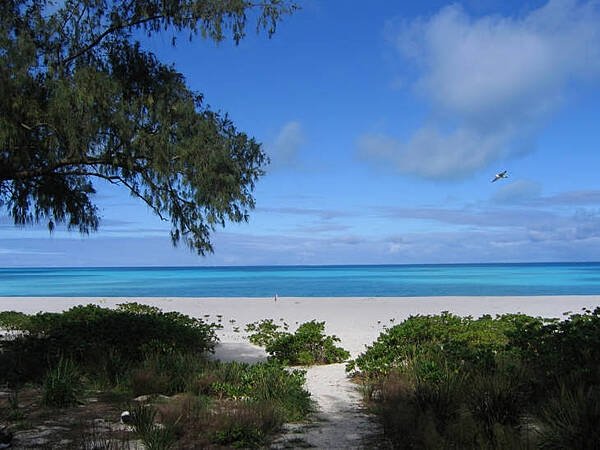
Midway IslandsDiscover the enchanting allure of the Midway Islands, a remote paradise where untamed nature flourishes amidst the vastness of the North Pacific Ocean. Here, the harmony of the marine ecosystem and the spectacle of migratory seabirds create a breathtaking tapestry of life, untouched by human intervention. While adventure awaits only for the intrepid few who can coordinate specialized research expeditions, the allure of this pristine sanctuary captivates the imagination, inviting women travelers to dream of exploration beyond the ordinary. Experience the magic of an uninhabited realm where the whispers of the ocean tell stories of resilience, conservation, and nature’s breathtaking beauty, all beckoning you to embrace the spirit of adventure that thrives at the edge of the world.

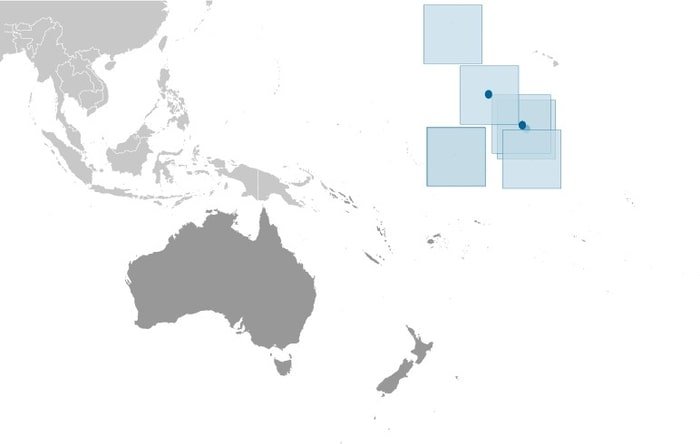
Comprehensive Travel Guide to Midway Islands
General Information
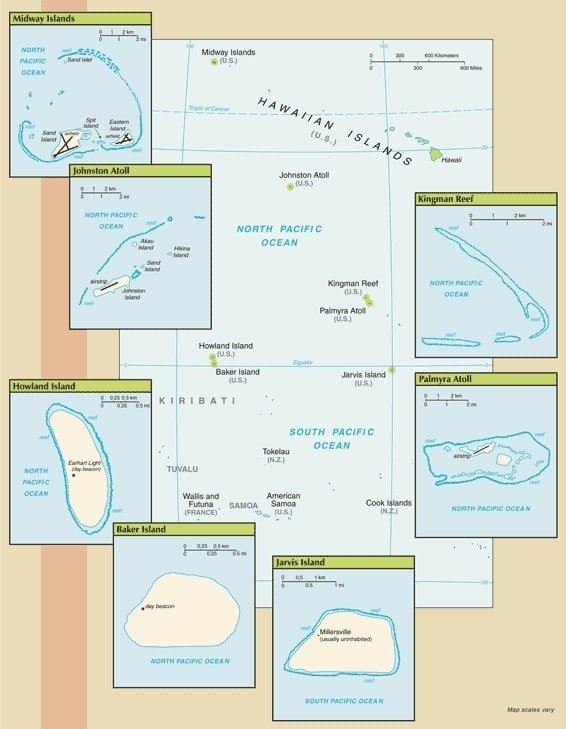
Location: North Pacific Ocean
Status: Unincorporated U.S. Territory (Managed as a National Wildlife Refuge)
Capital City: None (Midway Atoll is the administrative center)
Population: No permanent inhabitants (Only U.S. Fish and Wildlife Service personnel and authorized researchers)
Currency: United States Dollar (USD)
Time Zone: UTC -11 (Midway Island Time)
Official Language: English
Dialing Code: N/A (Limited telecommunications infrastructure)
Driving Side: N/A (Minimal infrastructure)
Overview
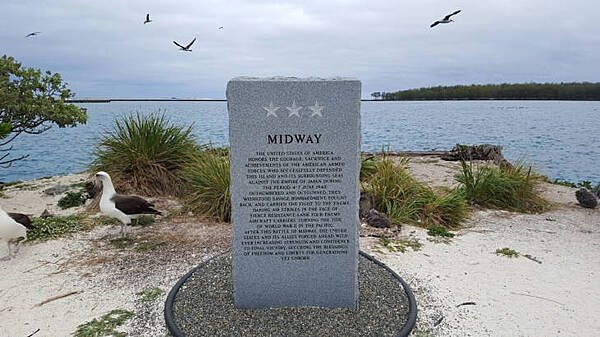
Midway Atoll, commonly known as the Midway Islands, is a remote coral atoll in the North Pacific Ocean. It played a significant role in World War II, notably during the Battle of Midway in 1942. Today, it is a protected wildlife refuge, home to vast seabird colonies, including the world's largest population of Laysan albatrosses. Due to its ecological and historical significance, access is highly restricted.
Language and Communication
Primary Language: English
Communication: Limited satellite and radio communication.
Internet & Mobile Network: Extremely limited; only available for official use.
Emergency and Safety Considerations
Rescue Services: Limited—U.S. Fish and Wildlife Service coordinates emergency response.
Medical Facilities: Minimal—visitors must carry necessary medical supplies.
Environmental Challenges: Unpredictable weather, strong ocean currents, and no natural freshwater sources.
Strict Environmental Protections: No fishing, collecting, or disturbing wildlife permitted.
Currency and Money
Currency: United States Dollar (USD)
Payment Methods: Not applicable—no commercial activity or businesses.
Electricity and Plugs
Power Supply: Limited solar and generator-based power.
Voltage & Frequency: 120V, 60Hz (U.S. standard).
Plug Type: Type A/B (U.S. standard).
Safety and Health
Extreme Climate: Windy conditions, variable temperatures, and high humidity.
Wildlife Considerations: Seabirds, marine life, and occasional invasive species management programs.
Isolation: No immediate medical or emergency services—self-sufficiency required.
Conservation Laws: Strict regulations on waste disposal and human activity.
Transportation
Access: No commercial airport or harbor.
How to Get There:
Government & Research Expeditions: U.S. Fish and Wildlife Service permits required.
Chartered Aircraft: Occasional flights from Hawaii for official purposes.
No Commercial Flights or Ferries.
Shopping & Souvenirs
None: No shops or commercial establishments.
Festivals & Events
None: No permanent inhabitants or cultural events.
Activities & Attractions
Historical Significance
Battle of Midway (1942): Key turning point in World War II; memorials on the atoll.
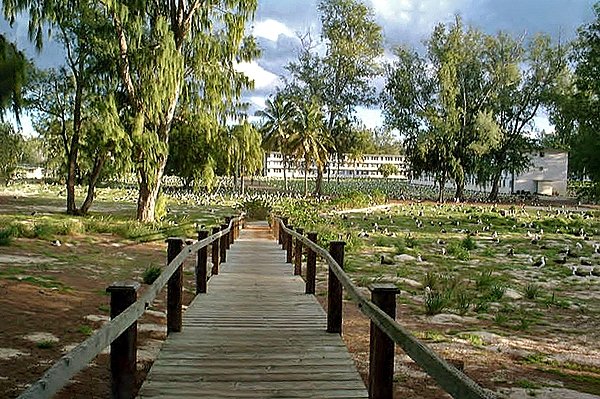
Former Naval Air Facility: Historic military remnants and bunkers.
Wildlife & Natural Wonders
Seabirds: Over 3 million Laysan and black-footed albatrosses.
Marine Life: Pristine coral reefs, sea turtles, monk seals, and dolphins.
Flora: Limited—mostly low-lying vegetation adapted to the atoll’s conditions.
Scientific Research & Conservation
Pacific Remote Islands Marine National Monument: Vital sanctuary for marine biodiversity.
Bird Banding & Migration Studies: Crucial site for monitoring seabird populations.
Climate Change & Ocean Monitoring: Studies on sea level rise and coral reef health.
Suggested Itineraries
5-Day Scientific Expedition (For Authorized Researchers Only)
Day 1: Arrival & Camp Setup
Arrive via chartered aircraft or vessel.
Establish temporary research stations.
Day 2: Wildlife Observation & Habitat Studies
Monitor seabird nesting sites.
Conduct marine life and coral reef assessments.
Day 3: Historical Documentation
Explore remains of military installations.
Document WWII-related artifacts and structures.
Day 4: Climate & Environmental Research
Collect data on sea level changes.
Study conservation efforts and ecosystem resilience.
Day 5: Departure & Conservation Compliance
Clean all equipment to prevent ecological contamination.
Return to research base via ship or aircraft.
10-Day Advanced Research Mission (For Marine Biologists & Conservationists)
Day 1-2: Arrival & Base Setup
Arrive via permitted aircraft or vessel.
Establish temporary monitoring stations.
Day 3-4: Seabird Population & Nesting Studies
Observe and document nesting behavior.
Conduct banding and tracking projects.
Day 5-6: Marine Biology & Coral Reef Studies
Perform underwater biodiversity assessments.
Analyze ocean temperature and water chemistry.
Day 7-8: Climate Change & Coastal Erosion Research
Assess coastal erosion trends.
Install and monitor environmental data sensors.
Day 9-10: Pack Up & Departure
Finalize data collection and documentation.
Ensure all equipment is removed to maintain environmental integrity.
Best Time to Visit
Limited to Research Expeditions (Typically May – September)
Favorable weather conditions.
Reduced risk of Pacific storms.
Connectivity
Wi-Fi & Mobile Networks: Not available for public use.
Satellite Communication: Required for emergency contact.
Radio Communication: Used for official research expeditions.
Travel Tips
Government Permits Required: Only authorized personnel and researchers may visit.
Essential Survival Gear: Hydration, sun protection, and navigation tools are necessary.
Self-Sufficient Supplies: Bring all food, water, and medical necessities.
Respect Conservation Rules: Do not disturb wildlife, remove waste, or introduce foreign species.
Prepare for No Rescue Services: Nearest assistance is thousands of kilometers away.
Conclusion
Midway Islands are a historic and ecological treasure, serving as a critical wildlife refuge and a memorial to one of World War II’s most pivotal battles. While tourism is not permitted, the atoll remains an essential site for scientific research and conservation. Only authorized researchers and government personnel are allowed access, ensuring its protection for future generations.