Africa
MauritaniaDiscover the enchanting landscapes of Mauritania, where the Sahara meets the Atlantic, beckoning adventurous souls to explore its golden dunes and vibrant coastal cities. As you traverse this captivating country, immerse yourself in the rich tapestry of nomadic traditions and diverse cultures, from the historic caravan routes of Chinguetti to the bustling markets of Nouakchott. Delve into the harmonious rhythms of local music, sample savory dishes that burst with flavor, and witness the awe-inspiring architectural wonders of ancient mosques. Mauritania invites you to experience a unique blend of history, tradition, and natural beauty, making it a hidden gem for those seeking an unforgettable journey through Africa.
Comprehensive Travel Guide to Mauritania
General Information
- Capital: Nouakchott
- Population: 4,328,040
- Currency: Mauritanian Ouguiya (MRU)
- Time Zone: Greenwich Mean Time (GMT), UTC +0
- Official Language: Arabic
- Other Languages: French, Hassaniya Arabic, Pulaar, Soninke, Wolof
- Dialing Code: +222
- Driving Side: Right
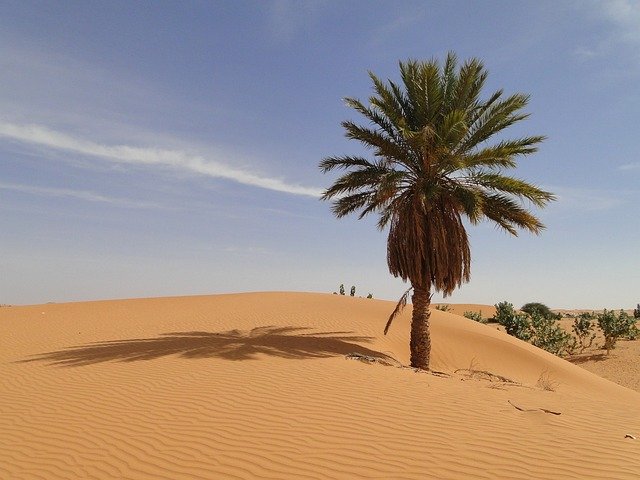
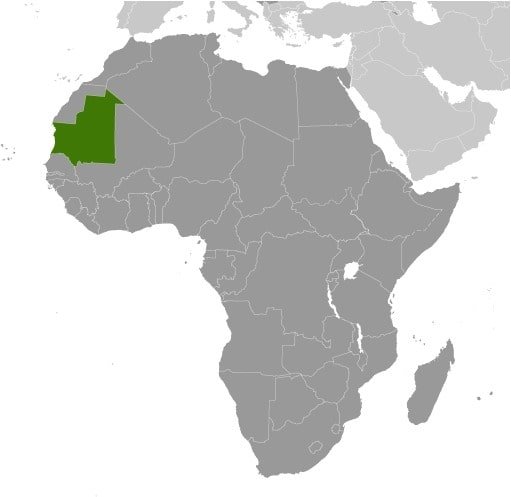
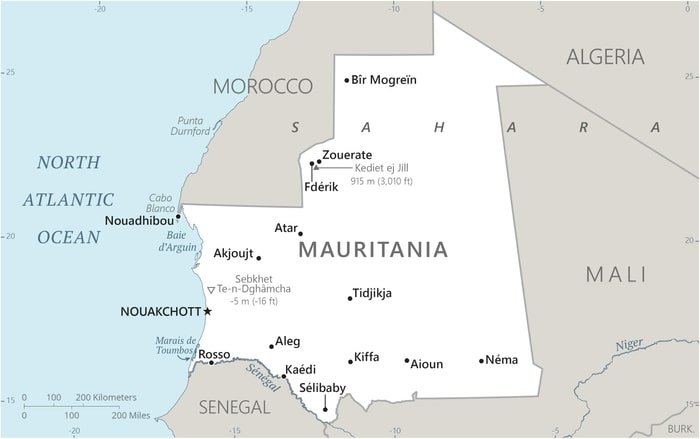
Mauritania, a country at the crossroads of North and West Africa, is characterized by vast deserts, ancient cities, and a unique blend of Arab and African cultures. The nation offers adventurous travelers a chance to explore the beauty of the Sahara Desert, historical caravan towns, and a distinctive cultural heritage.
Language and Communication
- Primary Language: Arabic
- Widely Spoken: French, particularly in business and government contexts.
- Helpful Phrases:
- Hello: Salam
- Thank you: Shukran
- How are you?: Keif halak?
- Goodbye: Ma’a as-salama
Emergency Numbers
- Police: 117
- Fire: 118
- Ambulance: 101
Currency and Money
- Currency: Mauritanian Ouguiya (MRU)
- ATMs: Available in major cities like Nouakchott and Nouadhibou, though not always reliable.
- Credit Cards: Rarely accepted; cash is essential, especially in rural areas.
- Currency Exchange: Available at banks and exchange offices in cities.
Electricity and Plugs
- Voltage: 220 V
- Frequency: 50 Hz
- Plug Types: Type C and E
- Adapter Needed: Yes, for travelers from countries using different plug types.
Safety and Health
Safety
- General Safety: Mauritania is generally safe, but travelers should remain vigilant, especially in remote areas.
- Travel Advisory: Avoid traveling at night and in regions near the borders with Mali and Algeria due to security concerns.
- Cultural Sensitivity: Respect local customs and dress modestly, particularly in rural areas.
Health
- Vaccinations: Routine vaccinations, plus Hepatitis A, Typhoid, and Yellow Fever (if coming from an endemic area) are recommended.
- Water Safety: Drink bottled or boiled water.
- Healthcare: Basic facilities are available in cities; for serious medical needs, evacuation may be required. Travel insurance is essential.
Transportation
Public Transport
- Taxis: Widely used in cities like Nouakchott, but fares should be negotiated.
- Buses and Shared Taxis: Common for intercity travel but can be crowded and uncomfortable.
Private Transport
- Car Rentals: Available in Nouakchott, though roads can be challenging.
- 4x4 Vehicles: Recommended for desert exploration.
Activities and Attractions
Historical and Cultural Sites
- Ancient Cities (Ksour):
- Chinguetti: A UNESCO World Heritage Site known for its ancient libraries and desert architecture.
- Ouadane: A historic caravan town with ruins and stunning desert landscapes.
- Nouakchott:
- Visit the vibrant Nouakchott Fish Market to witness traditional fishing practices.
- Explore the National Museum of Mauritania to learn about local history and culture.
Natural Wonders
- Banc d’Arguin National Park:
- A UNESCO World Heritage Site and a haven for migratory birds and marine life.
- Adrar Plateau:
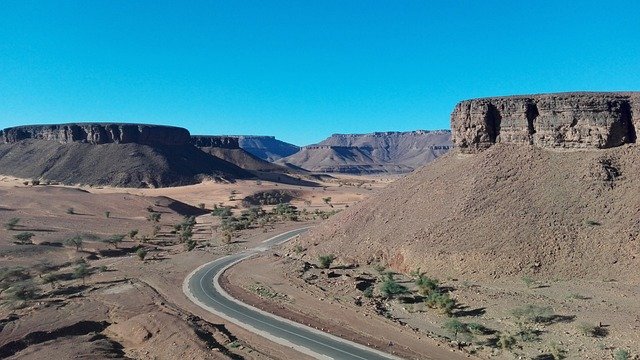
- Home to dramatic canyons, sand dunes, and ancient rock art.
- Richat Structure (Eye of the Sahara):
- A fascinating geological formation visible from space, perfect for adventurous explorers.
Desert Adventures
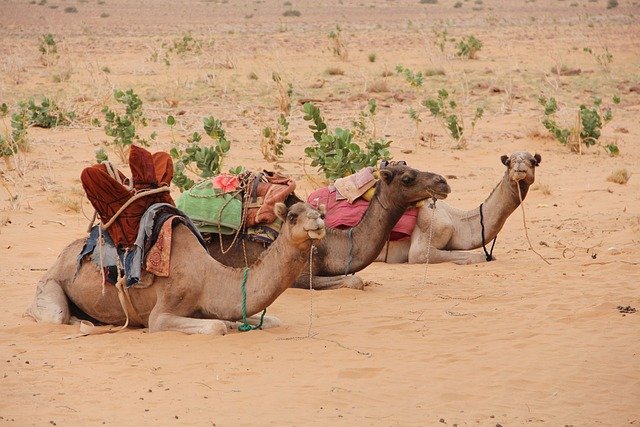
- Experience camel trekking and camping under the stars in the vast Sahara Desert.
Festivals and Events
Mauritania’s festivals are deeply rooted in its cultural and religious traditions, providing an excellent opportunity for travelers to experience local life.
- Independence Day (November 28):
- Celebrates Mauritania’s independence from France with parades, cultural performances, and community gatherings.
- Mawlid al-Nabi:
- Commemorates the Prophet Muhammad's birthday with prayers, feasts, and religious recitations.
- Guelb Er Richat Cultural Festival:
- Held near the Richat Structure, this festival showcases local music, dance, and traditional crafts, offering a glimpse into the region's heritage.
- Nomad Festival:
- Highlights the nomadic traditions of Mauritania with camel races, storytelling, and traditional sports.
- Aid al-Fitr and Aid al-Adha:
- Major Islamic holidays celebrated with prayers, feasts, and family gatherings.
Food and Cuisine
Mauritanian cuisine reflects a mix of Arab and African influences, with dishes often centered around meat, grains, and dairy.
Must-Try Dishes
- Thieboudienne: A flavorful dish of fish, rice, and vegetables.
- Mechoui: Spit-roasted lamb, a staple at celebrations.
- Marouwe: A hearty stew made with goat or lamb.
- Mint Tea: A symbol of hospitality, served with great ceremony.
Dining Tips
- Food is often shared communally; eat with your right hand.
- Tipping is appreciated but not mandatory.
Shopping and Souvenirs
- Handwoven Rugs and Carpets: Crafted by local artisans, often with geometric designs.
- Silver Jewelry: Traditional Berber-style pieces.
- Leather Goods: Bags, shoes, and wallets made from camel or goat leather.
- Desert Sand Bottles: Filled with colorful layers of sand, a unique keepsake.
Best Time to Visit
- Cool Season (November–March): The most comfortable time to visit, with milder temperatures ideal for exploring the desert.
- Hot Season (April–October): Extremely hot, especially in the desert regions, but coastal areas remain relatively cooler.
Connectivity
- Wi-Fi: Available in hotels and cafes in major cities but often slow.
- SIM Cards: Purchase a local SIM from providers like Mauritel or Mattel for better connectivity.
- Mobile Coverage: Good in urban areas, limited in rural and desert regions.
Suggested Itineraries
3-Day Itinerary
Day 1: Explore Nouakchott, including the Fish Market and National Museum.
Day 2: Visit Chinguetti to see ancient libraries and enjoy the desert atmosphere.
Day 3: Take a trip to Banc d’Arguin National Park for birdwatching and coastal views.
7-Day Itinerary
Day 1-2: Explore Nouakchott and its surroundings.
Day 3-4: Travel to Chinguetti and Ouadane to experience the ancient caravan towns.
Day 5: Visit the Richat Structure and Adrar Plateau.
Day 6: Discover Banc d’Arguin National Park.
Day 7: Return to Nouakchott for shopping and relaxation.
Travel Tips
- Dress Modestly: Reflecting the Islamic culture, especially in rural areas.
- Plan Ahead: Desert travel requires preparation, including water and supplies.
- Local Guides: Essential for exploring remote areas safely and effectively.
Conclusion
Mauritania offers a journey into the heart of the Sahara, where history, culture, and natural beauty converge. From the ancient libraries of Chinguetti to the birdlife of Banc d’Arguin, the country provides unforgettable experiences for intrepid travelers. While it may not be a typical tourist destination, Mauritania’s unique charm and serene landscapes are a reward for those seeking adventure and discovery.