Africa
MaliDiscover the enchanting essence of Mali, where the vibrant melodies of traditional music harmonize with the rich tapestry of history and culture. As you wander through the bustling streets of Bamako, let the warmth of the local people envelop you, inviting you to experience their timeless traditions and culinary delights. From the breathtaking landscapes of the Niger River to the ancient marvels of Timbuktu, Mali offers a captivating adventure for the intrepid traveler. Engage with its colorful markets, immerse yourself in spirited festivals, and savor the unique flavors of Malian cuisine that will leave an indelible mark on your heart. Embrace the spirit of Mali and create memories that will inspire you long after you return home.



Comprehensive Travel Guide to Mali
General Information
- Capital: Bamako
- Population: 21,990,607
- Currency: West African CFA Franc (XOF)
- Time Zone: Greenwich Mean Time (GMT), UTC +0
- Official Language: French
- Dialing Code: +223
- Driving Side: Right
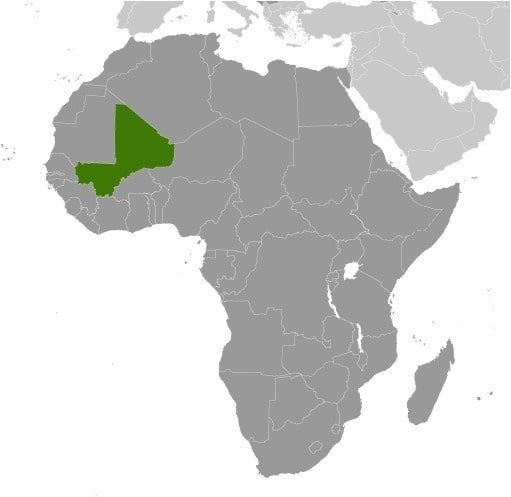
Mali, a landlocked country in West Africa, is known for its vibrant culture, rich history, and stunning landscapes that range from the vast Sahara Desert to the fertile Niger River valley. Home to ancient cities like Timbuktu and Djenné, Mali offers a unique blend of historical wonders and traditional music.
Language and Communication
- Primary Language: French
- Commonly Spoken: Bambara, Fulfulde, Songhai, Tamasheq
- Helpful Phrases:
- Hello: Bonjour
- Thank you: Merci
- How are you?: Comment ça va?
- Goodbye: Au revoir
Emergency Numbers
- Police: 17
- Fire: 18
- Ambulance: 15
Currency and Money
- Currency: West African CFA Franc (XOF)
- ATMs: Available in Bamako and major cities but not widespread.
- Credit Cards: Limited acceptance; carry cash for remote areas.
- Currency Exchange: Available at banks, exchange offices, and hotels.
Electricity and Plugs
- Voltage: 220 V
- Frequency: 50 Hz
- Plug Types: Type C and E
- Adapter Needed: Yes, for travelers from countries using different plug types.
Safety and Health
Safety
- Travel Advisory: Mali faces security challenges, especially in the northern and central regions. Check current travel advisories before planning your trip.
- General Safety: Stick to major cities and guided tours. Avoid traveling after dark.
Health
- Vaccinations: Routine vaccinations, plus Yellow Fever, Hepatitis A, Typhoid, and Malaria prophylaxis are recommended.
- Water Safety: Drink bottled or boiled water.
- Healthcare: Medical facilities are basic; travel insurance is essential.
Transportation
Public Transport
- Buses: Long-distance buses connect major cities but can be overcrowded.
- Taxis: Widely available in cities; negotiate fares in advance.
- Motorcycle Taxis: Common for short distances.
Private Transport
- Car Rentals: Limited availability in Bamako; a driver is often included.
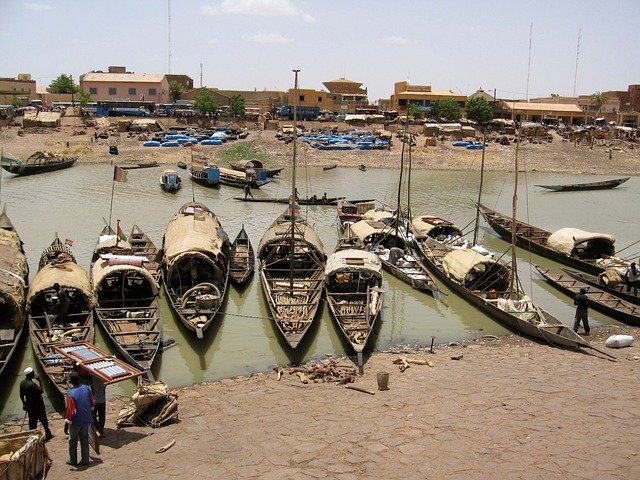
- River Transport: Traditional pirogues and ferries operate along the Niger River.
Activities and Attractions
Historical Sites
- Timbuktu:
- A UNESCO World Heritage Site known for its ancient mosques and manuscripts.
- Visit Sankoré Mosque and the Ahmed Baba Institute.
- Djenné:
- Famous for its Great Mosque, the largest mud-brick structure in the world.
- Explore the Monday market for local crafts.
Natural Wonders
- Niger River:
- Enjoy boat trips and witness life along this vital waterway.
- Birdwatching is popular in the Inner Niger Delta.
- Bandiagara Escarpment (Dogon Country):
- A stunning sandstone cliff range home to the Dogon people.
- Hike to traditional villages and learn about Dogon culture.
- Sahara Desert:
- Explore the desert on camelback and camp under the stars.
Cultural Experiences
- Bamako:
- Visit the National Museum of Mali for artifacts and art.
- Explore bustling markets like Marché de Medina.
- Enjoy traditional Malian music in live performance venues.
- Segou:
- Known for its colonial architecture and pottery workshops.
- Attend the Festival on the Niger, showcasing music and arts.
Food and Cuisine
Malian cuisine is hearty and flavorful, featuring staples like rice, millet, and sorghum.
Must-Try Dishes
- Tô: A millet or sorghum porridge served with sauce.
- Jollof Rice: A spiced rice dish with vegetables and meat.
- Grilled Meat (Brochettes): Skewered and seasoned meat, popular street food.
- Mafé: A peanut-based stew served with rice.
- Fried Fish: Freshly caught and served with spicy sauce.
Dining Tips
- Eat with your right hand in traditional settings.
- Tipping is appreciated but not mandatory.
Shopping and Souvenirs
- Textiles: Handmade bogolanfini (mud cloth) and colorful woven fabrics.
- Jewelry: Intricate Tuareg silver and brass pieces.
- Masks: Wooden masks representing Mali’s diverse ethnic groups.
- Pottery: Traditional clay pots and vases.
- Music Instruments: Purchase balafons or djembes as unique souvenirs.
Festivals and Events
- Festival on the Niger (February): A vibrant celebration of music, art, and culture in Segou.
- Desert Festival (Timbuktu): Features traditional Tuareg music and dance.
- Bamako Biennale: An art and photography exhibition held every two years.
Best Time to Visit
- Cool Season (November–February):
- Ideal for travel with pleasant temperatures and minimal rainfall.
- Hot Season (March–May):
- Extremely hot, best for visiting the Sahara.
- Rainy Season (June–October):
- Heavy rains can make travel challenging, but the Niger River is at its most scenic.
Connectivity
- Wi-Fi: Available in hotels and cafes in major cities like Bamako.
- SIM Cards: Purchase from providers like Orange Mali or Malitel.
- Mobile Apps: Google Maps for navigation, translation apps for local languages.
Suggested Itineraries
5-Day Itinerary
Day 1: Arrive in Bamako and explore the National Museum and local markets.
Day 2: Travel to Segou to visit the pottery workshops and enjoy the Niger River.
Day 3: Explore the ancient city of Djenné and its iconic Great Mosque.
Day 4: Visit Dogon Country and hike the Bandiagara Escarpment.
Day 5: Return to Bamako for shopping and a cultural evening with live music.
7-Day Itinerary
Days 1-2: Bamako’s museums, markets, and nightlife.
Days 3-4: Journey to Timbuktu for a deep dive into Mali’s history.
Day 5: Visit Djenné and its stunning architecture.
Day 6: Explore Dogon Country and interact with the Dogon people.
Day 7: Relax by the Niger River in Segou and return to Bamako.
Travel Tips
- Respect Local Customs: Dress modestly, especially in rural areas.
- Hire Guides: Essential for navigating Dogon Country and Timbuktu safely.
- Stay Hydrated: Carry water, especially in hot regions.
- Security Awareness: Stay informed about local safety conditions.
Conclusion
Mali is a land of incredible history, cultural richness, and natural beauty. From the ancient manuscripts of Timbuktu to the architectural marvels of Djenné and the unique traditions of Dogon Country, Mali offers experiences unlike any other. Despite its challenges, a well-planned trip with local guidance can reveal the soul of this fascinating West African nation. For travelers seeking adventure, cultural immersion, and historical wonders, Mali is an unforgettable destination.