East and Southeast Asia
MalaysiaNestled in the heart of Southeast Asia, Malaysia is a vibrant tapestry of cultures and landscapes just waiting to be explored, where lush rainforests meet stunning beaches and bustling cities merge with serene villages. This enchanting destination invites you to discover its rich heritage through colorful festivals, mouthwatering street food, and friendly locals who embody the warmth of hospitality. Whether you're wandering the bustling streets of Kuala Lumpur, uncovering hidden waterfalls in the Cameron Highlands, or basking in the sun on the pristine beaches of Langkawi, Malaysia promises a unique journey filled with unforgettable memories and diverse experiences that cater to every wanderlusting soul.
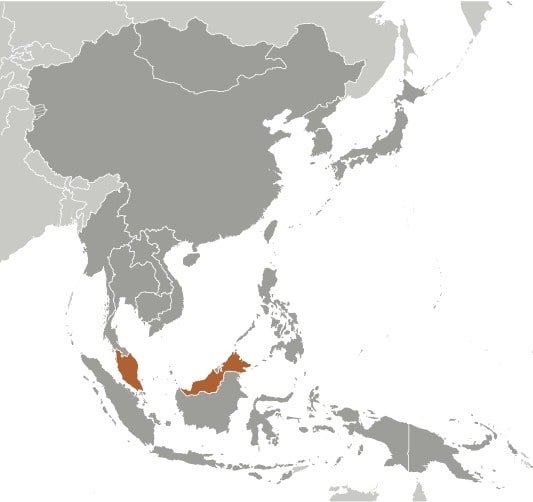
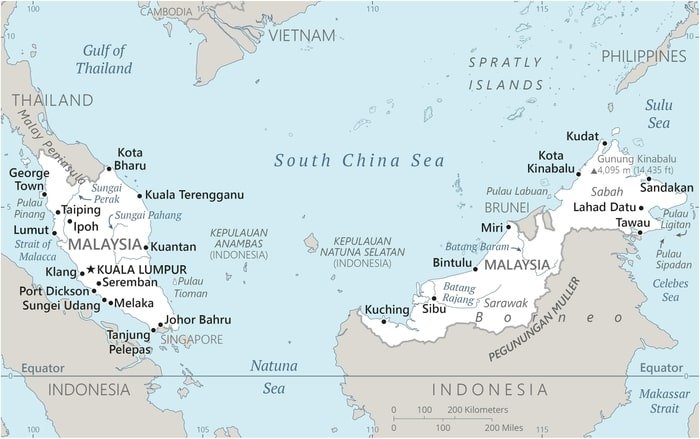
Comprehensive Travel Guide to Malaysia
General Information
- Capital Cities: Kuala Lumpur (official), Putrajaya (administrative)
- Population: 34,564,810
- Currency: Malaysian Ringgit (MYR)
- Time Zone: Malaysia Time (MYT), UTC +8
- Official Language: Malay (Bahasa Malaysia)
- Dialing Code: +60
- Driving Side: Left
Malaysia is a captivating blend of modern skyscrapers, colonial architecture, lush rainforests, and cultural diversity. Comprising Peninsular Malaysia and Malaysian Borneo, the country offers something for every traveler, from bustling cities to tranquil islands and rich cultural heritage.
Language and Communication
- Primary Language: Malay (Bahasa Malaysia).
- Commonly Spoken: English is widely spoken, especially in urban areas and tourist destinations.
- Helpful Phrases:
- Hello: Hello
- Thank you: Terima kasih
- How much?: Berapa harga?
- Goodbye: Selamat tinggal
Emergency Numbers
- Police: 999
- Fire: 994
- Ambulance: 999 or 991
Currency and Money
- Currency: Malaysian Ringgit (MYR).
- ATMs: Widely available in urban areas; may charge withdrawal fees.
- Credit Cards: Accepted in most hotels, restaurants, and shopping centers.
- Currency Exchange: Available at banks, money changers, and airports.
Electricity and Plugs
- Voltage: 230 V
- Frequency: 50 Hz
- Plug Types: Type G (British-style three-pin).
- Adapter Needed: Yes, for travelers from countries using different plug types.
Safety and Health
Safety
- Malaysia is generally safe for tourists, but precautions against petty theft are advised.
- Avoid isolated areas at night and secure valuables.
Health
- Vaccinations: Routine vaccinations, plus Hepatitis A and Typhoid are recommended.
- Mosquito-Borne Diseases: Dengue fever is a risk; use mosquito repellent.
- Water Safety: Drink bottled or filtered water.
- Healthcare: High-quality private healthcare is available in major cities.
Transportation
Public Transport
- Trains: Efficient and affordable, including KTM Komuter, LRT, MRT, and Monorail systems.
- Buses: Extensive network, with budget-friendly options like RapidKL in cities.
- Taxis and Ridesharing: Ridesharing apps like Grab are popular and reliable.
Domestic Travel
- Flights: Low-cost carriers like AirAsia connect major cities and islands.
- Car Rentals: Available, but driving in cities can be challenging due to traffic.
- Ferries: Operate to islands like Langkawi and Penang.
Activities and Attractions
Urban Highlights
- Kuala Lumpur:
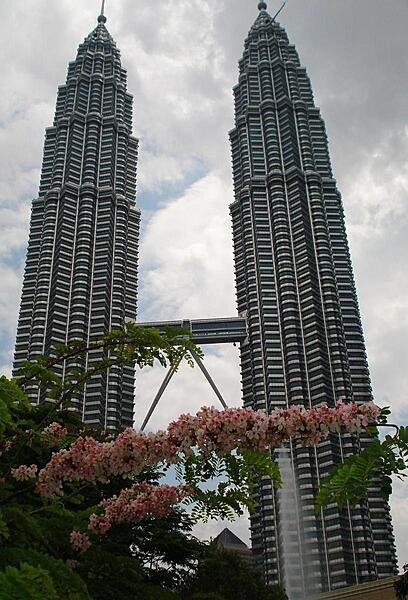
- Petronas Twin Towers: Iconic skyscrapers with stunning city views.
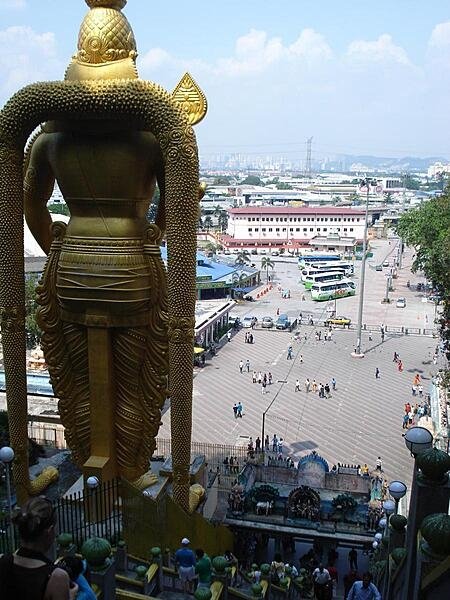
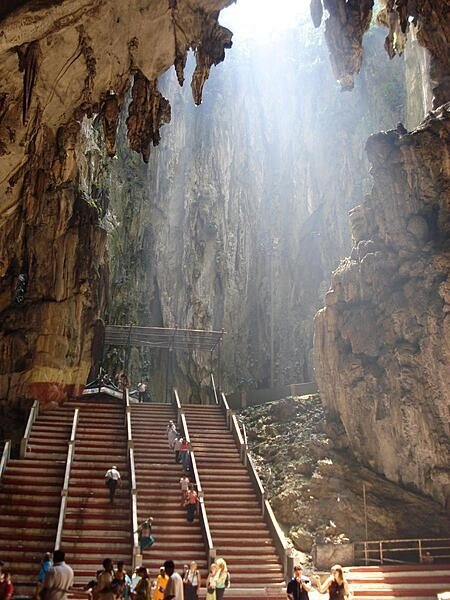
- Batu Caves: A Hindu temple complex within limestone caves.
- Central Market: A hub for shopping and cultural experiences.
- George Town, Penang:
- Renowned for its street art, colonial architecture, and vibrant food scene.
- Visit Kek Lok Si Temple and Penang Hill.
- Malacca:
- A UNESCO World Heritage Site with historical landmarks like A Famosa Fort and St. Paul’s Church.
Natural Wonders
- Langkawi:
- A tropical paradise with beaches, waterfalls, and the famous Sky Bridge.
- Taman Negara:
- One of the world’s oldest rainforests, perfect for trekking and wildlife spotting.
- Borneo (Sabah and Sarawak):
- Mount Kinabalu: A must-visit for climbers.
- Sepilok Orangutan Rehabilitation Centre: A sanctuary for endangered orangutans.
- Gunung Mulu National Park: Famous for its limestone caves and karst formations.
Islands and Beaches
- Perhentian Islands: Crystal-clear waters ideal for diving and snorkeling.
- Tioman Island: A pristine getaway for nature lovers.
- Redang Island: Known for luxury resorts and coral reefs.
Food and Cuisine
Malaysia is a food lover’s paradise, with diverse culinary influences from Malay, Chinese, and Indian traditions.
Must-Try Dishes
- Nasi Lemak: Coconut rice served with sambal, anchovies, egg, and peanuts.
- Char Kway Teow: Stir-fried noodles with shrimp, cockles, and bean sprouts.
- Roti Canai: Flaky flatbread served with curry.
- Laksa: Spicy noodle soup with regional variations like Penang Asam Laksa and Curry Laksa.
- Satay: Grilled meat skewers served with peanut sauce.
Dining Tips
- Street food is safe and a highlight of Malaysian cuisine.
- Tipping is not customary but appreciated for excellent service.
Shopping and Souvenirs
- Batik: Hand-painted or printed fabric.
- Pewter Items: From the renowned Royal Selangor.
- Local Snacks: Dodol (sticky toffee), kuih lapis (layer cake), and durian-based treats.
- Spices: High-quality spices and curry powders.
- Handicrafts: Woven baskets, beaded jewelry, and wood carvings.
Festivals and Events
- Thaipusam (January/February): A Hindu festival celebrated at Batu Caves.
- Chinese New Year (January/February): Vibrant celebrations with lion dances and feasts.
- Hari Raya Aidilfitri (Eid): Marks the end of Ramadan with festive gatherings.
- Gawai Festival (June): Celebrated in Sarawak to honor the harvest.
- George Town Festival (August): A celebration of arts, culture, and heritage.
Suggested Itineraries
5-Day Itinerary
Day 1: Explore Kuala Lumpur, including Petronas Towers and Batu Caves.
Day 2: Visit Malacca for a historical day trip.
Day 3: Fly to Langkawi for beaches and the Sky Bridge.
Day 4: Enjoy Penang’s George Town, street art, and food.
Day 5: Relax and shop in Kuala Lumpur.
10-Day Itinerary
Days 1-2: Kuala Lumpur highlights.
Days 3-4: Malacca and Cameron Highlands.
Days 5-6: Penang’s cultural attractions.
Days 7-8: Langkawi for beaches and relaxation.
Days 9-10: Explore Sabah’s wildlife and Mount Kinabalu in Borneo.
Connectivity
- Wi-Fi: Widely available in hotels, cafes, and urban areas.
- SIM Cards: Affordable options from providers like Maxis, Digi, or Celcom.
- Mobile Apps:
- Grab: For transportation and food delivery.
- Google Maps: Essential for navigation.
- MySejahtera: Health and travel updates (formerly used for COVID-19 tracking).
Best Time to Visit
- Dry Season (March–October):
- Ideal for outdoor activities and island visits.
- June to August is perfect for east coast islands like Perhentian and Redang.
- Wet Season (November–February):
- West coast islands like Langkawi and Penang are still enjoyable.
- Expect rain but fewer crowds.
Travel Tips
- Dress Modestly: Especially in rural areas and religious sites.
- Carry Cash: Many small eateries and markets are cash-only.
- Traffic: Kuala Lumpur can have heavy traffic; plan accordingly.
- Cultural Sensitivity: Respect local customs and traditions.
Conclusion
Malaysia offers a harmonious blend of natural beauty, modern infrastructure, and cultural richness. From the bustling streets of Kuala Lumpur to the serene beaches of Langkawi and the lush rainforests of Borneo, there’s an adventure waiting for everyone. With warm hospitality and a diverse culinary scene, Malaysia promises an unforgettable travel experience that caters to all interests.