Africa
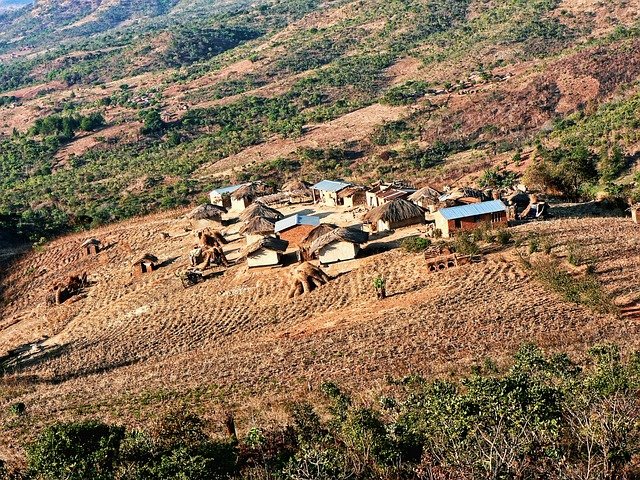
MalawiNestled in the heart of East Africa, Malawi is a captivating gem waiting to be discovered, offering pristine lakes, lush landscapes, and vibrant cultures that invite exploration. Known as the "Warm Heart of Africa," this enchanting country boasts the stunning Lake Malawi, a UNESCO World Heritage site teeming with colorful fish and idyllic beaches perfect for relaxation and adventure. Whether you find yourself hiking through the Majete Wildlife Reserve, basking in the sun at Cape Maclear, or immersing yourself in the rich traditions of local villages, Malawi promises a genuine connection to its natural beauty and warm-hearted communities. Embrace the allure of Malawi, where every moment becomes a cherished memory, perfect for the adventurous spirit seeking authentic experiences in Africa.



Comprehensive Travel Guide to Malawi
General Information
- Capital City: Lilongwe
- Population: 21,763,309
- Currency: Malawian Kwacha (MWK)
- Time Zone: Central Africa Time (CAT), UTC +2
- Official Language: English
- National Languages: Chichewa (widely spoken)
- Dialing Code: +265
- Driving Side: Left
Known as the "Warm Heart of Africa," Malawi is celebrated for its friendly people, stunning landscapes, and the magnificent Lake Malawi, Africa's third-largest lake. This landlocked gem offers a mix of adventure, culture, and relaxation, making it a must-visit for travelers seeking authentic experiences.
Language and Communication
- Primary Languages: English (official) and Chichewa (common).
- Common Phrases in Chichewa:
- Hello: Moni
- Thank you: Zikomo
- How are you?: Muli bwanji?
- Goodbye: Tsalani bwino
Emergency Numbers
- Police: 997
- Fire: 999
- Ambulance: 998
Currency and Money
- Currency: Malawian Kwacha (MWK).
- ATMs: Available in major cities but may not be reliable in rural areas.
- Credit Cards: Accepted in hotels and major establishments; carry cash for rural areas.
- Currency Exchange: Available at banks and foreign exchange bureaus; USD and ZAR are commonly exchanged.
Electricity and Plugs
- Voltage: 230 V
- Frequency: 50 Hz
- Plug Types: Type G (British-style three-pin).
- Adapter Needed: Yes, for travelers from countries using different plug types.
Safety and Health
Safety
- Malawi is considered safe, but petty crime (like pickpocketing) can occur in urban areas.
- Avoid walking alone at night and secure your belongings.
Health
- Vaccinations: Routine vaccinations, plus Hepatitis A, Typhoid, and Yellow Fever (if arriving from an affected country).
- Malaria: Present year-round; use prophylactics and insect repellent.
- Water Safety: Drink bottled or boiled water.
- Healthcare: Basic in rural areas; higher-quality facilities available in cities like Lilongwe and Blantyre. Travel insurance is highly recommended.
Transportation
Public Transport
- Minibuses: The most common and affordable form of transport but can be crowded.
- Taxis: Available in cities; negotiate fares beforehand.
Domestic Travel
- Car Rentals: Available in major cities; a 4x4 is recommended for rural areas.
- Ferries: Operate on Lake Malawi, providing scenic travel options between towns.
Activities and Attractions
Natural Wonders
- Lake Malawi:
- A UNESCO World Heritage Site and the “Lake of Stars.”
- Activities: Swimming, snorkeling, diving, and sailing.
- Top spots: Cape Maclear, Nkhata Bay, and Likoma Island.
- Liwonde National Park:
- One of the best wildlife destinations in Malawi.
- Home to elephants, hippos, crocodiles, and an increasing population of lions and cheetahs.
- Nyika National Park:
- Known for its rolling grasslands, wildflowers, and unique wildlife like zebras and leopards.
- Mount Mulanje:
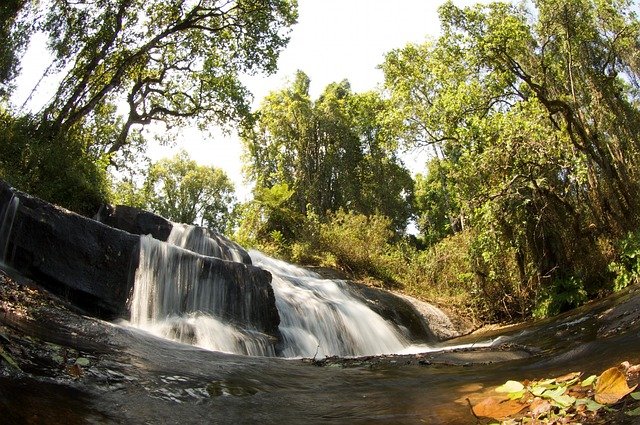
- A paradise for hikers and climbers, offering breathtaking views and waterfalls.
- Zomba Plateau:
- Cooler temperatures, stunning vistas, and nature trails.
Cultural Highlights
- Livingstonia: A historic mission with stunning views over Lake Malawi.
- Kumbali Cultural Village (Lilongwe): Experience traditional Malawian culture, music, and food.
- Malawi’s Local Markets: Explore vibrant markets like Lizulu Market for crafts and fresh produce.
Food and Cuisine
Must-Try Dishes
- Nsima: A staple dish made from maize flour, often served with vegetables and meat or fish.
- Chambo: A delicious freshwater fish found in Lake Malawi.
- Kondowole: A cassava-based dish often served with spicy fish sauce.
- Mkhwani: A flavorful dish made from pumpkin leaves.
Dining Tips
- Street food is widely available but ensure it’s freshly prepared.
- Tipping: Not mandatory, but appreciated (5-10%).
Shopping and Souvenirs
- Wooden Carvings: Including masks and sculptures, often crafted by skilled local artisans.
- Malawian Fabrics: Brightly colored chitenje cloths are great souvenirs.
- Coffee and Tea: High-quality Malawian coffee and tea are excellent gifts.
- Jewelry: Handmade beadwork and accessories.
Festivals and Events
- Lake of Stars Festival (September): A popular music and arts festival held along Lake Malawi’s shores.
- Mulanje Mountain Porters Race (July): A challenging race up Mount Mulanje.
- Cultural Festivals: Events like the Umhlangano wa Maseko Ngoni celebrate Malawi’s diverse ethnic heritage.
Suggested Itineraries
5-Day Itinerary
Day 1: Explore Lilongwe, including Kumbali Cultural Village.
Day 2: Visit Lake Malawi, focusing on Cape Maclear.
Day 3: Safari at Liwonde National Park.
Day 4: Hike Mount Mulanje.
Day 5: Relax at Nkhata Bay or Likoma Island.
10-Day Itinerary
Days 1-2: Explore Lilongwe and nearby cultural attractions.
Days 3-4: Spend time at Cape Maclear and Lake Malawi.
Days 5-6: Safari in Liwonde National Park and boat trips on the Shire River.
Days 7-8: Trek through Nyika National Park’s grasslands.
Days 9-10: Discover Zomba Plateau and hike Mount Mulanje.
Connectivity
- Wi-Fi: Available in hotels, cafes, and urban areas.
- SIM Cards: Purchase from providers like Airtel or TNM for affordable mobile data.
- Mobile Apps:
- Google Translate: For basic Chichewa translations.
- Maps.me: Useful for offline navigation.
Best Time to Visit
- Dry Season (May–October):
- Ideal for wildlife viewing and outdoor activities.
- Cooler temperatures, especially in highland areas.
- Wet Season (November–April):
- Lush landscapes and vibrant birdlife, but heavy rains can make travel difficult.
Travel Tips
- Currency: Carry small denominations for local markets.
- Packing: Lightweight clothing, sturdy shoes, sunscreen, and insect repellent.
- Local Etiquette: Respect local customs and dress modestly in rural areas.
- Road Safety: Roads can be poor in rural areas; a 4x4 is recommended for off-road travel.
Conclusion
Malawi’s charm lies in its warm people, breathtaking landscapes, and diverse activities. Whether exploring the sparkling waters of Lake Malawi, trekking through its national parks, or immersing yourself in its rich culture, the "Warm Heart of Africa" offers an unforgettable travel experience. With its welcoming atmosphere and stunning scenery, Malawi is a destination that will leave a lasting impression on every traveler.