Europe
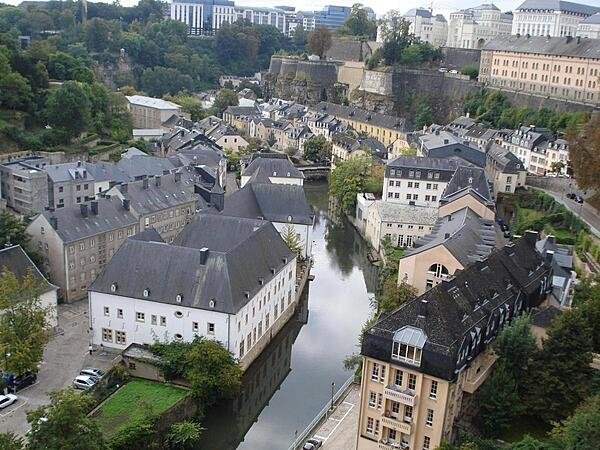
LuxembourgNestled in the heart of Europe, Luxembourg is a captivating blend of rich history, stunning landscapes, and vibrant culture, making it an enchanting destination for wanderers. Explore its charming streets adorned with medieval castles and picturesque villages, each telling tales of the past while offering modern delights. Indulge in the local cuisine that reflects a fusion of flavors, from hearty stews to exquisite pastries, all set against a backdrop of breathtaking scenery. Whether you’re wandering through the lush valleys, basking in the warmth of its inviting communities, or marveling at the stunning architecture, Luxembourg invites you to experience a world where tradition meets contemporary allure, creating unforgettable memories that linger long after your visit.


Comprehensive Travel Guide to Luxembourg
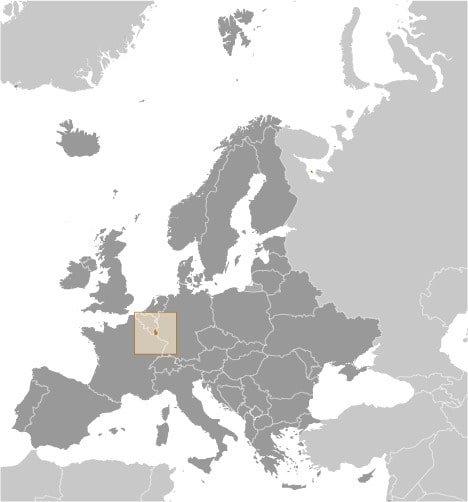
Luxembourg, a small but fascinating landlocked country in Western Europe, is known for its picturesque landscapes, charming medieval towns, rich history, and cosmopolitan feel. Despite its size, Luxembourg offers a great mix of natural beauty, cultural landmarks, and vibrant modernity. It's a perfect destination for travelers seeking a blend of history, nature, and contemporary life.
General Information
- Capital: Luxembourg City
- Population: 671,254
- Currency: Euro (EUR)
- Time Zone: Central European Time (CET), UTC +1 (Central European Summer Time, CEST, UTC +2 in the summer)
- Official Languages: Luxembourgish (national language), French (administrative), German (used in the media)
- Dialing Code: +352
- Driving Side: Right
Language and Communication
- Official Languages: Luxembourgish, French, German
- Commonly Spoken Languages: English is widely spoken, especially in urban areas, and French and German are used in daily life, with Luxembourgish often heard in local conversations.
- Helpful Phrases:
- Hello: Moien (Luxembourgish)
- Thank you: Merci (French)
- Good morning: Gudden Mëdet (Luxembourgish)
- How are you?: Wéi geet et? (Luxembourgish)
- Goodbye: À bientot (French)
Emergency Numbers
- Police: 113
- Fire: 112
- Ambulance: 112
Currency and Money
- Currency: Euro (EUR)
- ATMs: Available in cities and towns. However, it’s always good to carry cash when visiting rural areas.
- Credit Cards: Accepted in most hotels, restaurants, and shops.
- Currency Exchange: Available at banks and exchange offices.
Electricity and Plugs
- Voltage: 230 V
- Frequency: 50 Hz
- Plug Types: Type C and F (European-style plugs)
- Adapter Needed: Yes, for travelers from countries using different plug types.
Safety and Health
Safety
- General Safety: Luxembourg is considered one of the safest countries in the world. Crime rates are low, and it is safe to walk around the country, even at night.
- Travel Advisory: Luxembourg does not typically require special travel advisories. As with any destination, be mindful of your belongings in crowded areas.
Health
- Vaccinations: Routine vaccinations are recommended. For specific areas or activities, vaccinations for Hepatitis A, Hepatitis B, and Tetanus may be advised.
- Water Safety: Tap water is of high quality and safe to drink throughout Luxembourg.
- Healthcare: Luxembourg has excellent healthcare services, but travel insurance is advised, especially if you are staying for an extended period. Private and public hospitals are well-equipped.
Transportation
Public Transport
- Buses: Luxembourg City and other major towns are well-served by efficient bus networks. Buses are free in Luxembourg City, and travel is affordable in other parts of the country.
- Trains: The country has a modern rail network connecting major cities and neighboring countries such as Belgium, France, and Germany.
- Taxis: Taxis are available but are not the most cost-effective mode of transport.
- Trams: Luxembourg City also has a modern tram system, a great way to get around the city.
Driving
- Road Conditions: Roads in Luxembourg are well-maintained and easy to navigate. The country’s road signs are clear, and traffic is relatively light.
- Car Rentals: Available in Luxembourg City and major airports.
- Driving License: EU residents can drive with their national license, while others may require an International Driving Permit (IDP).
- Speed Limits: 50 km/h in urban areas, 90 km/h on rural roads, and 130 km/h on highways.
Activities and Attractions
Cultural and Historic Sites
- Luxembourg City Old Town: A UNESCO World Heritage site, the Old Town offers stunning medieval architecture, narrow winding streets, and beautiful squares. Key sites include the Grand Ducal Palace, Notre-Dame Cathedral, and Bock Casemates—an underground fortress with tunnels and stunning views.
- Vianden Castle: A remarkable medieval castle located in the town of Vianden, which dates back to the 11th century. The castle is one of the most important historical monuments in Luxembourg.
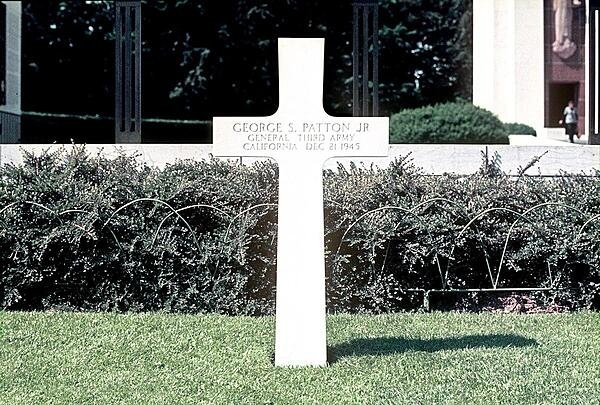
- Ettelbruck and The American Cementery Memorial: A poignant memorial and cemetery dedicated to the American soldiers who died during World War II.
- Clervaux Castle: Located in the north, this beautiful castle houses the Family of Man photography exhibition, an internationally acclaimed exhibition showcasing human life through the lens of photography.
Natural Wonders and Outdoor Activities
- Mullerthal Region: Known as "Little Switzerland," this region is a paradise for hikers, with stunning rock formations, lush forests, and waterfalls. The Mullerthal Trail offers over 100 km of scenic routes for hiking enthusiasts.
- The Ardennes: A hilly, forested region in the north offering fantastic opportunities for hiking, biking, and nature exploration. It’s perfect for travelers looking to explore Luxembourg’s natural beauty.
- Moselle Valley: This wine-producing region along the Moselle River is famous for its vineyards, wine-tasting tours, and scenic views.
- Upper-Sûre Nature Park: A great spot for kayaking, hiking, and enjoying Luxembourg’s green landscapes. The area is home to the Upper-Sûre Reservoir, perfect for outdoor activities.
Unique Experiences
- Luxembourg American Cemetery Memorial: Pay respects at this solemn World War II cemetery located in Hamm.
- Modern Art in MUDAM: The Museum of Modern Art (MUDAM) in Luxembourg City is a cutting-edge museum featuring contemporary art from around the world.
- Bock Casemates: Explore the underground passageways of the Bock Casemates, a historical fortress system offering incredible views of the city.
Food and Cuisine
Traditional Dishes
- Judd mat Gaardebounen: A traditional Luxembourgish dish made of smoked pork collar, served with broad beans.
- Bouneschlupp: A hearty bean soup made with green beans, potatoes, and ham.
- Kachkéis: A regional specialty made with cheese and potatoes, often served as a main dish or side.
- Gromperekichelcher: Fried potato cakes, often sold as street food during festivals.
- Luxembourgish Wine: Luxembourg is known for its vineyards, particularly around the Moselle Valley. Taste local wines such as Riesling, Pinot Gris, and Auxerrois.
- Tarte au Kirsch: A local cherry pie that is often served for dessert, made with fresh cherries soaked in kirsch (cherry brandy).
Dining Tips
- Tipping: Tipping is customary, though not mandatory. A tip of 5-10% is appreciated in restaurants.
- Street Food: Luxembourg has a vibrant food scene, with many food trucks and markets offering quick snacks like gromperekichelcher and Luxembourgish sausages.
- Fine Dining: Luxembourg is home to several Michelin-starred restaurants. The city’s dining scene is diverse, offering both traditional and international options.
Shopping and Souvenirs
- Luxembourgish Wines: Take home a bottle of Luxembourg’s famous wine, particularly from the Moselle region, as a unique souvenir.
- Luxembourgish Chocolates: Indulge in artisanal chocolates from local chocolatiers, many of which offer Luxembourg-inspired flavors.
- Handmade Crafts: Look for handmade crafts like pottery, glassware, and wooden items from local markets or craft shops.
- Luxembourgish Lace: Elegant and delicate lace items, including tablecloths and handkerchiefs, are popular keepsakes.
- Luxembourgish Books: For those interested in the country's rich literary culture, you’ll find many books written in Luxembourgish, French, or English in local bookstores.
Festivals and Events
- Luxembourg City Film Festival (February/March): A major cultural event showcasing international and local films, attracting filmmakers and movie lovers.
- Schueberfouer (August/September): Luxembourg's largest annual funfair, held in Luxembourg City, with amusement rides, food stalls, and entertainment.
- Winterlights (December): A Christmas market in Luxembourg City with festive lights, seasonal foods, and handcrafted goods.
- National Day (June 23): Luxembourg’s National Day is a major event marked by parades, fireworks, concerts, and celebrations of Luxembourgish culture.
Travel Tips
- Currency: Luxembourg uses the Euro (EUR). While most places accept credit cards, it's still useful to have cash for small purchases or rural areas.
- Dress Code: Luxembourg is a fashionable country, especially in the cities. Casual dress is acceptable, but dressing smartly is advised in restaurants and cultural settings.
- Public Holidays: Some businesses and attractions may be closed on public holidays, such as National Day (June 23) and Christmas.
- Tipping: Tipping is common but not compulsory. In restaurants, a tip of 5-10% is appreciated.
- Language: While Luxembourgish is the national language, French, German, and English are commonly spoken, especially in urban areas.
Suggested Itineraries
3-Day Itinerary
- Day 1: Explore Luxembourg City, including the Grand Ducal Palace, Notre-Dame Cathedral, and Bock Casemates.
- Day 2: Take a trip to Vianden Castle and hike in the Mullerthal Region.
- Day 3: Visit the Ardennes region or go wine tasting in the Moselle Valley.
7-Day Itinerary
- Day 1-2: Discover Luxembourg City’s Old Town, MUDAM, and the Luxembourg American Cemetery Memorial.
- Day 3: Visit Vianden Castle and hike in the Mullerthal Region.
- Day 4: Explore Clervaux and its famous photography exhibit.
- Day 5: Head to the Ardennes region for hiking or nature walks.
- Day 6: Explore the Moselle Valley and enjoy wine tasting.
- Day 7: Take a relaxing day at Upper-Sûre Nature Park or enjoy Luxembourg’s spa culture.
Best Time to Visit
- Spring (April - June): Ideal for outdoor activities with mild temperatures and blooming landscapes.
- Summer (June - August): The best time for outdoor festivals, events, and exploring the countryside.
- Autumn (September - November): A quieter time to visit with the added bonus of beautiful autumn foliage.
- Winter (December - February): Visit for the Christmas markets and a cozy winter experience.
Connectivity
- Wi-Fi: Wi-Fi is widely available in hotels, cafes, and public places across Luxembourg.
- SIM Cards: Available at kiosks, mobile shops, and airports, with providers like Post Luxembourg, Orange, and Tango.
Conclusion
Luxembourg is a country that packs a punch despite its small size. With its blend of history, culture, nature, and modernity, it offers a range of experiences from medieval castles and scenic landscapes to vibrant festivals and world-class museums. Whether you are interested in history, hiking, gastronomy, or luxury, Luxembourg has something for every traveler.