Europe
LithuaniaNestled in the heart of Europe, Lithuania unfolds a captivating tapestry of rich history, vibrant culture, and breathtaking landscapes just waiting to be discovered. From the medieval charm of Vilnius, with its stunning baroque architecture and cobblestone streets, to the tranquil shores of the Curonian Spit where nature dances with serenity, every corner of this Baltic gem invites exploration. Embrace the warmth of Lithuanian hospitality as you savor traditional dishes like cepelinai while venturing through lush forests and diverse national parks that teem with wildlife. With a wealth of historical sites, including majestic castles and ancient pagan sites, Lithuania offers a journey that tantalizes the senses and ignites the spirit of adventure. Uncover the magic of this enchanting destination, where every experience is a story waiting to unfold.
Comprehensive Travel Guide to Lithuania
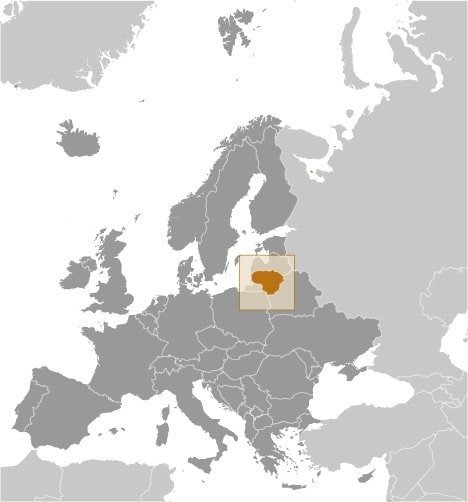
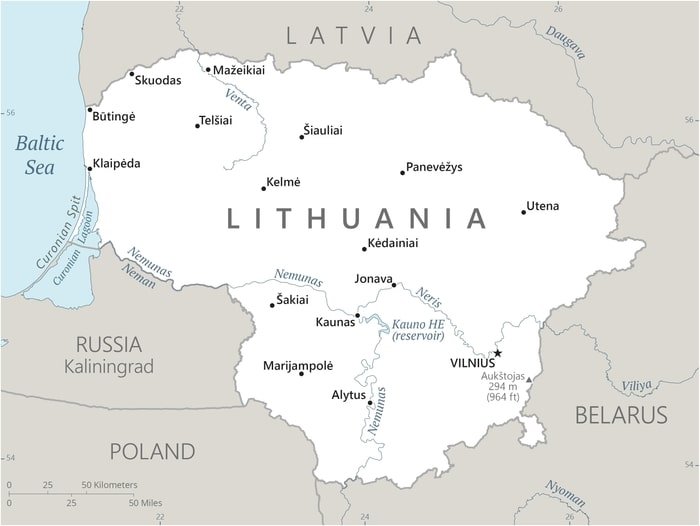
Lithuania, one of the Baltic States in Northern Europe, is a country known for its rich history, charming cities, stunning nature, and vibrant culture. It offers a mix of medieval towns, picturesque coastlines, dense forests, and significant historical landmarks, making it an intriguing destination for travelers. Lithuania is also famed for its resilience and rich heritage, as it was one of the first countries to declare independence from the Soviet Union.
General Information
- Capital: Vilnius
- Population: 2,628,186
- Currency: Euro (EUR)
- Time Zone: Eastern European Time (EET), UTC +2 (Eastern European Summer Time, EEST, UTC +3 in the summer)
- Official Language: Lithuanian
- Dialing Code: +370
- Driving Side: Right
Language and Communication
- Official Language: Lithuanian (an ancient Baltic language)
- Commonly Spoken Languages: English, especially in cities and tourist areas; Russian and Polish are also spoken by some locals.
- Helpful Phrases:
- Hello: Labas
- Thank you: Ačiū
- Good morning: Labas rytas
- How are you?: Kaip sekasi?
- Goodbye: Viso gero
Emergency Numbers
- Police: 112
- Fire: 112
- Ambulance: 112
Currency and Money
- Currency: Euro (EUR)
- ATMs: Widely available in cities, but you should carry cash when visiting remote areas.
- Credit Cards: Accepted in most establishments, especially in cities and larger towns.
- Currency Exchange: Available at banks, exchange offices, and airports.
Electricity and Plugs
- Voltage: 230 V
- Frequency: 50 Hz
- Plug Types: Type C and F (European-style plugs)
- Adapter Needed: Yes, for travelers from countries using different plug types.
Safety and Health
Safety
- General Safety: Lithuania is a safe destination for travelers. However, like in any European city, petty theft such as pickpocketing can occur in crowded areas, so it's always good to stay alert.
- Travel Advisory: No major safety concerns. However, it's always recommended to check the latest travel advisories and be aware of any changing situations.
Health
- Vaccinations: Routine vaccinations are recommended. Hepatitis A, Hepatitis B, and Tetanus are also advised depending on the duration and nature of your stay.
- Water Safety: Tap water is safe to drink throughout Lithuania.
- Healthcare: Lithuania has a well-functioning healthcare system, but it’s always a good idea to travel with health insurance. There are good private and public medical facilities available.
Transportation
Public Transport
- Buses: Lithuania has a well-developed bus system connecting all major cities and towns. The buses are modern and reliable.
- Trains: Lithuania has a good rail network, connecting its major cities and neighboring countries like Latvia, Poland, and Belarus.
- Taxis: Available in major cities, but it’s recommended to pre-arrange fares or use ride-hailing apps such as Bolt or Uber.
- Trams: In Vilnius and Kaunas, trams are a popular and affordable mode of transport.
Driving
- Road Conditions: Roads are generally in good condition, especially in cities and main highways. However, rural roads may be less maintained.
- Car Rentals: Car rentals are available in major cities and airports.
- Driving License: Visitors from EU countries can drive with their national licenses, while others might need an International Driving Permit (IDP).
- Speed Limits: 50 km/h in urban areas, 90 km/h on rural roads, and 130 km/h on highways.
Activities and Attractions
Cultural and Historic Sites
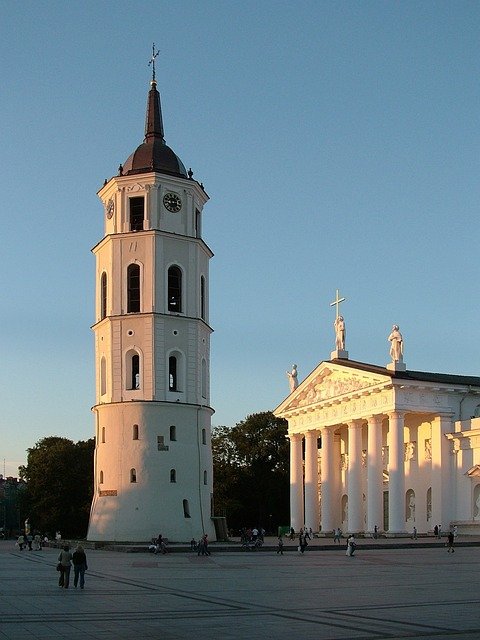
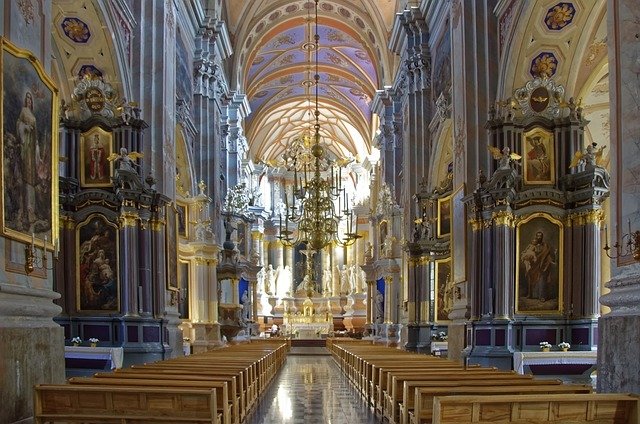
- Vilnius Old Town: A UNESCO World Heritage site, Vilnius is famous for its baroque architecture, cobblestone streets, and medieval buildings. Must-visit sites include the Vilnius Cathedral, the Presidential Palace, and Gediminas Tower for panoramic views.
- Trakai Castle: A stunning island castle located near Vilnius, set in the middle of Lake Galvė. This historical site offers boat rides and a glimpse into medieval Lithuanian life.
- Kaunas Old Town: Kaunas, Lithuania’s second-largest city, boasts a well-preserved medieval town with cobblestone streets, beautiful squares, and the famous Kaunas Castle.
- Hill of Crosses: Near the town of Šiauliai, this sacred hill is covered with thousands of crosses placed by pilgrims over centuries. It is a symbol of resistance and faith for the Lithuanian people.
- Palanga: A seaside resort town famous for its beautiful sandy beaches, charming boardwalks, and lively nightlife. Visit the Palanga Amber Museum located in the former mansion of a count.
Nature and Outdoor Activities
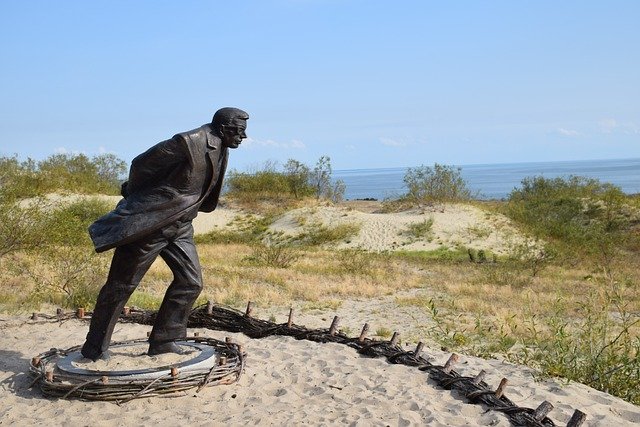
- Curonian Spit: A UNESCO World Heritage site, this narrow strip of land offers stunning sand dunes, lush forests, and beautiful coastal villages. It’s a paradise for nature lovers and bird watchers.
- Aukštaitija National Park: Perfect for hiking and boating, this park offers pristine forests, lakes, and charming villages.
- Dzūkija National Park: Known for its rich flora and fauna, this park is ideal for eco-tourism, offering hiking trails, wooden churches, and traditional farmsteads.
- Neringa: A popular coastal area with long stretches of sandy beaches, ideal for sunbathing, swimming, and water sports.
Unique Experiences
- Vilnius Cathedral and Bell Tower: Climb to the top of the Bell Tower for breathtaking views of the city.
- Explore the Vilnius Bohemian Quarter (Užupis): A self-declared republic within Vilnius, famous for its alternative culture, art galleries, quirky cafes, and murals.
- Lithuanian Folk Music: Attend a traditional folk music performance or festival, as Lithuanian folk music plays an important part in the country’s culture.
Food and Cuisine
Traditional Dishes
- Cepelinai: Also known as "zeppelins," this is the national dish of Lithuania. It consists of potato dumplings filled with meat, curd, or mushrooms, often served with sour cream and bacon sauce.
- Kugelis: A potato pudding made with grated potatoes, onions, eggs, and bacon, baked into a hearty dish.
- Šaltibarščiai: A vibrant beetroot soup, traditionally served cold and often accompanied by potatoes or hard-boiled eggs.
- Rye Bread: Lithuanian bread is hearty, dark, and sour, typically served as an accompaniment to meals or used to make sandwiches.
- Saldainiai: Lithuanians are known for their rich chocolate and sweets. Try the famous "Rūpūžiai" chocolate or "Trakai" cakes.
- Beer: Lithuania is one of the oldest beer brewing countries in Europe. Don’t miss the chance to try local varieties such as Švyturys or Utenos.
Dining Tips
- Lithuania has a vibrant café culture, particularly in Vilnius and Kaunas. It's common to enjoy a coffee with a pastry during the day.
- Tipping is generally appreciated but not mandatory. A tip of 5-10% is customary for good service.
- Street food is becoming increasingly popular, and you can try traditional Lithuanian snacks, such as kepta duona (fried rye bread with cheese) and gruzdintos bulvytės (fried potatoes).
Festivals and Events
- Vilnius International Film Festival (March/April): One of the largest film festivals in the Baltic region, showcasing international and Lithuanian cinema.
- Kaziuko Mugė (March): Held in Vilnius, this traditional folk arts and crafts fair celebrates Lithuanian culture with local goods, food, and music.
- Joninės (Midsummer Festival, June 24): A traditional celebration of the summer solstice, marked by bonfires, songs, and dancing.
- Kaunas Jazz Festival (April): A well-known jazz festival featuring performances by top international jazz musicians.
- Lithuanian Song and Dance Celebration (every four years): A massive cultural event that features thousands of singers, dancers, and musicians from across Lithuania.
Suggested Itineraries
3-Day Itinerary
- Day 1: Explore Vilnius, visiting the Old Town, Vilnius Cathedral, Gediminas Tower, and Užupis.
- Day 2: Day trip to Trakai Castle and Palanga Beach.
- Day 3: Discover Kaunas, including its Old Town, Kaunas Castle, and the Ninth Fort Museum.
7-Day Itinerary
- Day 1-2: Explore Vilnius in-depth, including day trips to nearby attractions like Trakai.
- Day 3-4: Head to Kaunas, visiting the Old Town, the Devil's Museum, and the Pazaislis Monastery.
- Day 5: Spend a day on the Curonian Spit.
- Day 6: Explore Aukštaitija National Park, or relax in a spa resort in Druskininkai.
- Day 7: Visit the Hill of Crosses and the picturesque town of Šiauliai.
Best Time to Visit
- Summer (June - August): Ideal for outdoor activities, festivals, and exploring Lithuania’s natural beauty.
- Spring (April - May): Mild weather, fewer tourists, and blooming landscapes.
- Autumn (September - November): A great time for hiking, seeing the fall colors, and enjoying the harvest season.
- Winter (December - February): Great for winter sports, especially in the countryside or the popular snow resorts.
Connectivity
- Wi-Fi: Available in most hotels, cafes, and public areas. Lithuania has one of the fastest internet speeds in Europe.
- SIM Cards: Available at airports, convenience stores, and mobile shops. Popular providers include Telia, Bitė, and Tele2.
Conclusion
Lithuania is a charming and diverse destination that offers something for every type of traveler, whether you're looking for a historical adventure, outdoor escapades, or a glimpse into a fascinating culture. From the cobbled streets of Vilnius to the tranquil beauty of the Curonian Spit, Lithuania offers an experience that will stay with you long after you leave.