Comprehensive Travel Guide to Libya
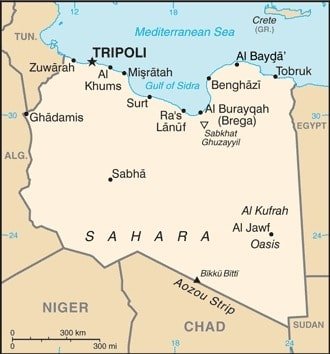
Libya, located in North Africa, is a country of dramatic desert landscapes, ancient ruins, and Mediterranean coastlines. With its rich history, unique culture, and vast stretches of the Sahara, Libya offers intrepid travelers a glimpse into an often-overlooked destination. However, due to ongoing political instability, travelers should carefully research and follow government travel advisories before planning a trip.
General Information
- Capital: Tripoli
- Population: 7,361,263
- Currency: Libyan Dinar (LYD)
- Time Zone: Eastern European Time (EET), UTC +2
- Official Language: Arabic
- Dialing Code: +218
- Driving Side: Right
Language and Communication
- Official Language: Arabic
- Commonly Spoken Languages: English (limited), Berber languages in some areas.
- Helpful Phrases:
- Hello: Marhaban
- Thank you: Shukran
- How are you?: Kayfa halak?
Emergency Numbers
- Police: 1515
- Ambulance: 193
- Fire: 1515
Currency and Money
- Currency: Libyan Dinar (LYD)
- ATMs: Limited availability and often unreliable.
- Credit Cards: Rarely accepted; cash is essential.
- Currency Exchange: Available at banks and exchange offices. The black market is common but illegal.
Electricity and Plugs
- Voltage: 230 V
- Frequency: 50 Hz
- Plug Types: Type C and L (European-style plugs)
- Adapter Needed: Yes, for travelers from countries using different plug types.
Safety and Health
Safety
- General Safety: Libya is experiencing political instability and security concerns, including armed conflicts in some areas.
- Travel Advisory: Most governments advise against all but essential travel.
- Precautions: If travel is necessary, avoid border areas, stay updated on local news, and use experienced guides.
Health
- Vaccinations: Routine vaccinations, plus Hepatitis A, Typhoid, and Meningitis are recommended.
- Water Safety: Drink bottled or boiled water.
- Healthcare: Medical facilities are limited; ensure comprehensive travel insurance.
Transportation
Public Transport
- Shared Taxis: Common but informal; routes can be confusing.
- Buses: Limited and not widely used by tourists.
Driving
- Road Conditions: Urban roads are generally good, but rural and desert areas can be challenging.
- Car Rentals: Available in major cities like Tripoli and Benghazi; 4x4 vehicles are recommended for desert travel.
- Driving License: International Driving Permit (IDP) required.
Top Attractions and Activities
Historical and Cultural Sites
- Leptis Magna: A UNESCO World Heritage Site and one of the best-preserved Roman cities in the world.
- Sabratha: Ancient Roman ruins featuring an impressive amphitheater overlooking the sea.
- Cyrene: A Greek and Roman archaeological site with stunning temples and ruins.
Natural Wonders
- Sahara Desert: Explore the vast dunes, oases, and unique landscapes like the Acacus Mountains.
- Ubari Sand Sea: A surreal landscape of golden dunes and turquoise desert lakes.
- Jebel Akhdar: Known as the "Green Mountain," this region offers scenic drives and hiking opportunities.
Coastal Attractions
- Tripoli’s Medina: Wander through the historic old city with its markets, mosques, and Ottoman architecture.
- Mediterranean Beaches: Although underdeveloped for tourism, Libya's coastline boasts beautiful, unspoiled beaches.
Food and Cuisine
Traditional Dishes
- Couscous: A staple dish served with lamb, vegetables, or fish.
- Shorba: A spicy soup made with lamb or chicken, tomatoes, and spices.
- Bazeen: A traditional dish made from barley flour dough, served with meat and sauce.
- Asida: A sweet wheat-based dish often served with honey or date syrup.
Dining Tips
- Restaurants are limited outside major cities.
- Tipping is appreciated but not mandatory (5-10%).
Festivals and Events
- Ramadan: A significant Islamic month observed with fasting, prayer, and celebrations.
- Independence Day (December 24): Marked with parades and cultural events.
- Eid al-Fitr and Eid al-Adha: Celebrated with feasting, prayers, and family gatherings.
Suggested Itineraries
3-Day Itinerary
- Day 1: Explore Tripoli, including the Red Castle Museum and Medina.
- Day 2: Visit the ancient ruins of Leptis Magna.
- Day 3: Take a day trip to Sabratha and its coastal ruins.
7-Day Itinerary
- Day 1-2: Discover Tripoli and its cultural landmarks.
- Day 3: Visit Leptis Magna for a full-day exploration.
- Day 4: Travel to Benghazi and explore local attractions.
- Day 5-6: Journey to Cyrene and Jebel Akhdar.
- Day 7: Explore the Sahara Desert, including the Ubari Sand Sea.
Best Time to Visit
- Spring (March-May): Pleasant temperatures and blooming landscapes.
- Autumn (September-November): Mild weather, ideal for exploring ruins and desert areas.
- Avoid Summer: Extremely hot temperatures, especially in the desert.
Connectivity
- Wi-Fi: Limited to hotels and some cafes in major cities.
- SIM Cards: Purchase from local providers like Libyana or Almadar for mobile data and calls.
Shopping and Souvenirs
- Carpets and Textiles: Handwoven rugs and traditional fabrics.
- Silver Jewelry: Intricate designs influenced by Berber culture.
- Olive Oil: High-quality, locally produced olive oil.
- Pottery: Traditional ceramics and decorative items.
Travel Tips
- Dress modestly, especially when visiting religious sites or rural areas.
- Respect local customs and Islamic traditions.
- Hire local guides for desert excursions and archaeological tours.
Conclusion
Libya is a country of immense historical and natural significance, offering a unique blend of ancient ruins, dramatic landscapes, and cultural richness. However, due to ongoing security concerns, it is essential to plan meticulously and consult travel advisories before visiting. For those who venture to Libya, the rewards are unforgettable experiences and a deeper understanding of this fascinating land.