Middle East
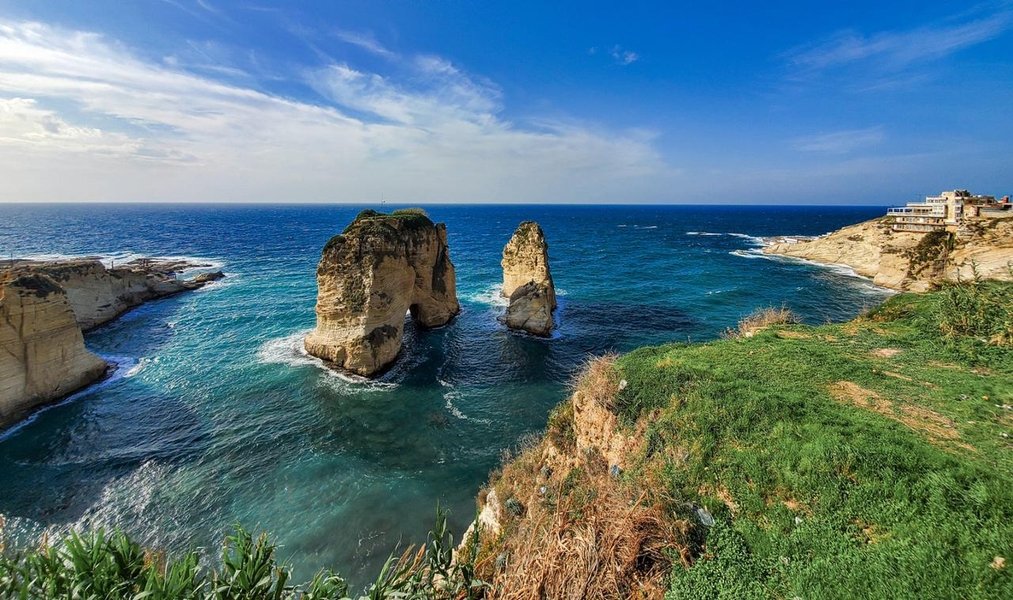
LebanonDiscover the enchanting beauty of Lebanon, a captivating gem in the heart of the Middle East where rich history, vibrant culture, and breathtaking landscapes come together. From the lively streets of Beirut, with its tantalizing cuisine and warm hospitality, to the ancient ruins of Byblos and Baalbek that tell tales of civilizations past, Lebanon invites every traveler to explore its diverse offerings. Unwind on the picturesque coastlines, savor the unique flavors of Lebanese dishes, and immerse yourself in the warmth of its communities that celebrate life with passion and pride. Whether seeking adventure in the mountains or tranquility by the sea, Lebanon promises unforgettable experiences that resonate long after you leave.
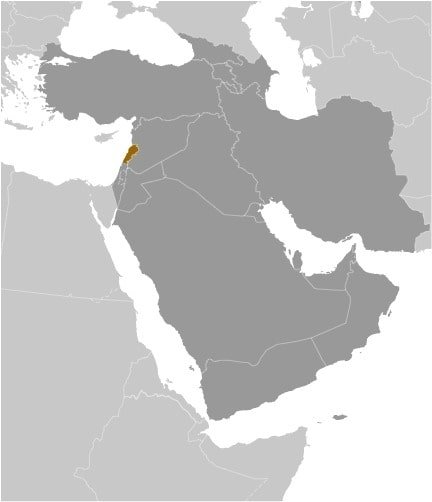
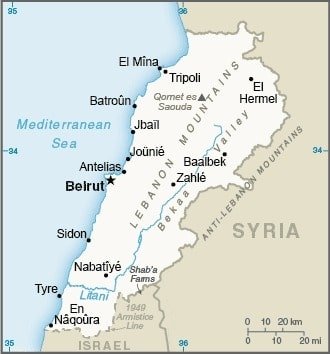
Comprehensive Travel Guide to Lebanon
Lebanon, a jewel of the Middle East, is a land of rich history, vibrant culture, and stunning natural beauty. Known for its ancient ruins, Mediterranean coastline, and delectable cuisine, Lebanon offers travelers a unique blend of modernity and tradition.
General Information
- Capital: Beirut
- Population: 5,364,482
- Currency: Lebanese Pound (LBP)
- Time Zone: Eastern European Time (EET), UTC +2 (UTC +3 in summer)
- Official Language: Arabic
- Other Languages: French and English are widely spoken.
- Dialing Code: +961
- Driving Side: Right
Language and Communication
- Key Phrases:
- Hello: Marhaba (مرحبا)
- Thank You: Shukran (شكراً)
- How are you?: Keefak? (كيفك؟)
- Excuse Me: Lao samaht (لو سمحت)
Emergency Numbers
- Police: 999 or 112
- Fire: 175
- Ambulance: 140
Currency and Money
- Currency: Lebanese Pound (LBP), though US Dollars (USD) are widely accepted.
- ATMs: Widely available in cities and towns.
- Credit Cards: Accepted in most hotels, restaurants, and shops.
- Currency Exchange: Easily available in banks and exchange offices.
Electricity and Plugs
- Voltage: 220 V
- Frequency: 50 Hz
- Plug Types: Type C, D and Type G
- Adapter Needed: Yes, for travelers from countries with different plug standards.
Safety and Health
Safety
- Travel Advisory: Check for any political or social unrest before traveling.
- General Safety: Exercise standard precautions; petty theft can occur in crowded areas.
Health
- Vaccinations: Routine vaccinations; Hepatitis A and Typhoid vaccines are recommended.
- Water Safety: Stick to bottled water.
- Healthcare: Private hospitals in Beirut offer high-quality care; travel insurance is advised.
Transportation
Public Transport
- Buses: Inexpensive but less organized; suitable for adventurous travelers.
- Shared Taxis (Service): A common and affordable way to travel between cities.
Driving
- Road Conditions: Varying quality; traffic in Beirut can be chaotic.
- Car Rentals: Available in major cities and at the airport.
- Driving License: An international driving permit (IDP) is recommended.
Top Attractions and Activities
Historical and Cultural Sites
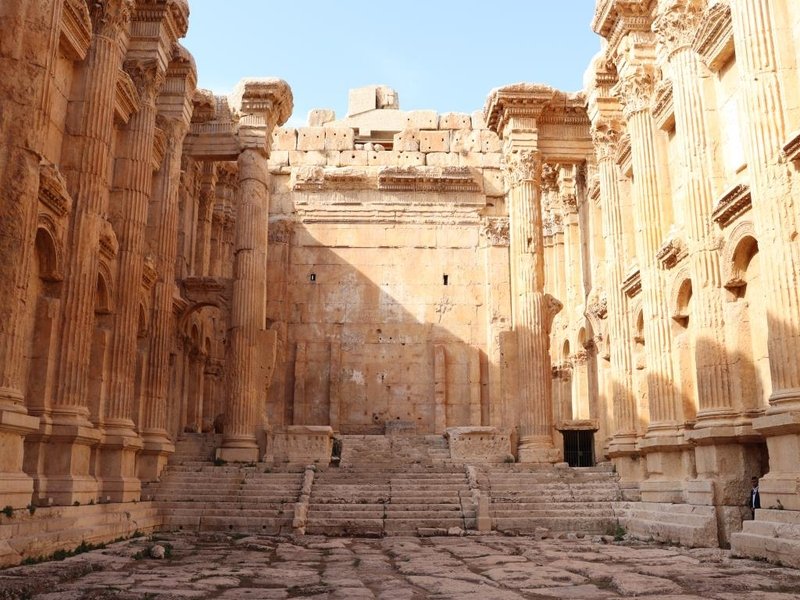
- Baalbek: A UNESCO World Heritage site with magnificent Roman ruins.
- Byblos (Jbeil): One of the world’s oldest continuously inhabited cities with a picturesque harbor and ancient ruins.
- Jeita Grotto: Stunning limestone caves with underground rivers.
- Beirut National Museum: A treasure trove of artifacts from Lebanon’s rich history.
Natural Wonders
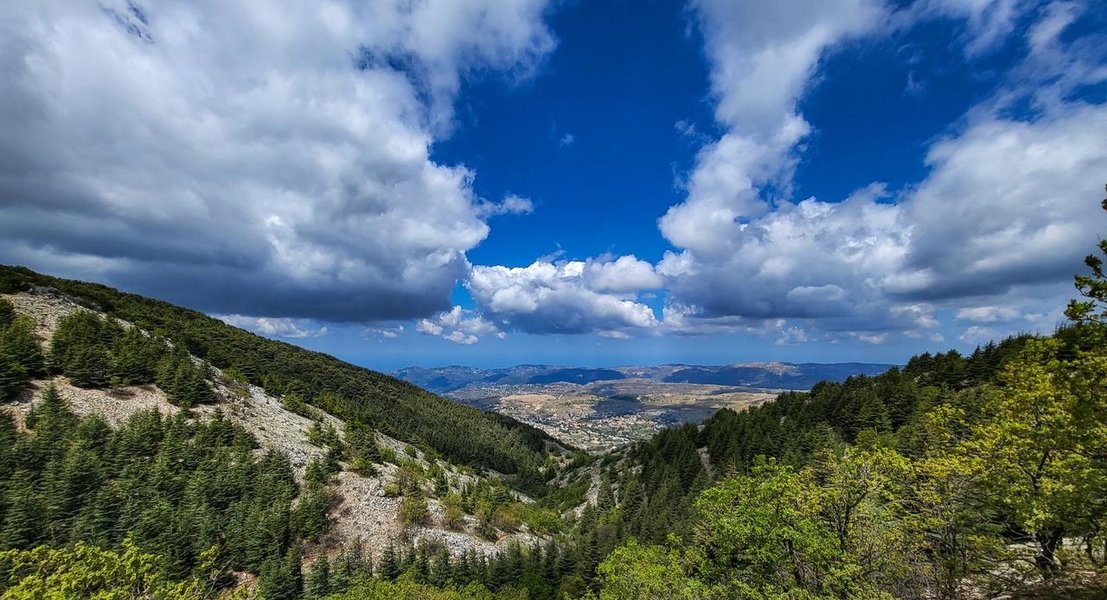
- The Cedars of God: Ancient cedar trees, a national symbol of Lebanon.
- Qadisha Valley: A UNESCO World Heritage site ideal for hiking and exploring ancient monasteries.
- Beaches: Enjoy the Mediterranean coastline with popular spots like Jounieh and Batroun.
Unique Experiences
- Harissa: A pilgrimage site with breathtaking views of the coast.
- Wine Tours: Visit wineries in the Bekaa Valley, such as Château Ksara and Château Musar.
- Souks: Explore traditional markets in cities like Tripoli for authentic crafts and cuisine.
Food and Cuisine
Must-Try Dishes
- Tabbouleh: A refreshing parsley and bulgur salad.
- Hummus: A creamy chickpea dip.
- Kibbeh: Ground meat and bulgur croquettes.
- Manakish: Lebanese flatbread topped with za'atar, cheese, or meat.
- Baklava: A sweet pastry layered with nuts and syrup.
Dining Tips
- Tipping: A 10-15% tip is appreciated.
- Street Food: Shawarma and falafel are must-try street snacks.
Festivals and Events
- Beirut International Film Festival: Celebrates regional and international cinema.
- Baalbek International Festival: Features world-class performances in a Roman amphitheater.
- Byblos Festival: Hosts international music artists in a historic setting.
- Maronite Christmas Celebrations: Experience unique Christmas traditions in Lebanon.
Suggested Itineraries
3-Day Itinerary
- Day 1: Explore Beirut’s museums, Corniche, and nightlife.
- Day 2: Visit Byblos and Harissa.
- Day 3: Take a day trip to Jeita Grotto and Baalbek.
7-Day Itinerary
- Day 1-2: Discover Beirut’s cultural and historical sites.
- Day 3: Visit Jeita Grotto, Harissa, and Byblos.
- Day 4: Explore the Cedars of God and Qadisha Valley.
- Day 5: Spend a day in Baalbek and the Bekaa Valley.
- Day 6: Relax on the beaches of Jounieh or Batroun.
- Day 7: Shop for souvenirs in Tripoli’s souks.
Best Time to Visit
- Spring (March-May): Mild weather, ideal for exploring.
- Autumn (September-November): Pleasant temperatures and fewer crowds.
- Summer (June-August): Perfect for beachgoers and festivals, though it can be hot.
- Winter (December-February): Skiing in the mountains is popular during this time.
Connectivity
- Wi-Fi: Widely available in hotels, cafes, and public areas.
- SIM Cards: Purchase prepaid SIM cards from providers like Touch or Alfa for mobile data.
Shopping and Souvenirs
- Cedar Wood Products: Handcrafted items made from Lebanese cedar.
- Traditional Jewelry: Unique designs inspired by Lebanese culture.
- Olive Oil and Spices: High-quality olive oil and za'atar.
- Arak: An anise-flavored spirit, popular in Lebanon.
Travel Tips
- Dress modestly when visiting religious sites.
- Learn a few basic Arabic phrases to connect with locals.
- Be cautious of political discussions in public.
Conclusion
Lebanon offers a rich tapestry of history, culture, and natural wonders. From the bustling streets of Beirut to the serene mountains and ancient ruins, this small yet diverse country promises an unforgettable journey for all who visit.