East and Southeast Asia
Korea SouthDiscover the enchanting allure of South Korea, where ancient traditions beautifully intertwine with cutting-edge modernity, inviting women travelers to explore vibrant cities, serene temples, and breathtaking landscapes. From the bustling streets of Seoul, alive with delicious street food and rich history, to the picturesque countryside dotted with pastel-colored hanoks, South Korea offers a tapestry of experiences that captivate the soul. Immerse yourself in the warmth of Korean hospitality, indulge in rejuvenating spa therapies, and partake in the colorful festivals that celebrate the unique culture of this dynamic nation. With its commitment to safety and respect for travelers, South Korea is a destination that empowers women to embark on a journey of discovery and self-growth, crafting memories that linger long after the journey ends.



Comprehensive Travel Guide to South Korea
South Korea, officially the Republic of Korea (ROK), is a vibrant and technologically advanced country that seamlessly blends ancient traditions with modern innovation. Known for its rich history, delicious cuisine, K-pop culture, and stunning landscapes, South Korea offers something for every traveler. Here’s a detailed guide to help you explore this dynamic destination.
General Information
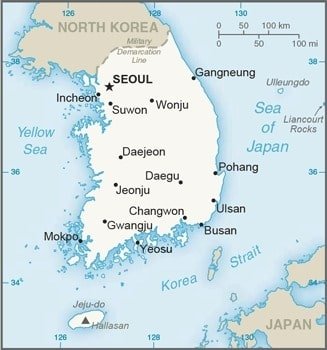
- Capital: Seoul
- Population: 52,081,799
- Currency: South Korean Won (KRW)
- Time Zone: Korea Standard Time (KST), UTC +9
- Official Language: Korean, English
- Dialing Code: +82
- Driving Side: Right
Language and Communication
- Language: Korean (Hangul: 한글)
- English: Widely spoken in urban areas and among younger generations.
- Helpful Phrases:
- Hello: Annyeonghaseyo (안녕하세요)
- Thank You: Kamsahamnida (감사합니다)
- Excuse Me: Joesonghamnida (죄송합니다)
- How Much?: Eolmayeyo? (얼마예요?)
Emergency Numbers
- Police: 112
- Fire/Ambulance: 119
- Tourist Information Hotline: 1330 (available in multiple languages)
Currency and Money
- Currency: South Korean Won (KRW).
- ATMs: Widely available; international cards are accepted at most.
- Credit Cards: Accepted nearly everywhere, including small businesses.
- Currency Exchange: Available at airports, banks, and money exchange offices.
Electricity and Plugs
- Voltage: 220 V
- Frequency: 60 Hz
- Plug Types: Type C and F (European-style plugs)
- Adapter Needed: Yes, for non-compatible plugs.
Safety and Health
Safety
- South Korea is one of the safest countries in the world for travelers.
- Petty crime is rare, but always exercise basic precautions.
Health
- Vaccinations: Routine vaccinations plus Hepatitis A are recommended.
- Water Safety: Tap water is safe to drink.
- Healthcare: High-quality medical facilities are available. Travel insurance is advisable.
Transportation
Public Transport
- Subway: Extensive and efficient networks in major cities like Seoul, Busan, and Daegu.
- Buses: Intercity and local buses connect almost all areas.
- Taxis: Affordable and widely available. Use ride-hailing apps like KakaoTaxi.
- Trains: The KTX high-speed train connects major cities.
Driving
- International Driving Permits (IDP) are required. Roads are well-maintained, but public transport is often more convenient.
Top Attractions and Activities
Urban Highlights
- Seoul:
- Gyeongbokgung Palace: Iconic royal palace from the Joseon Dynasty.
- Myeongdong: Popular shopping and street food district.
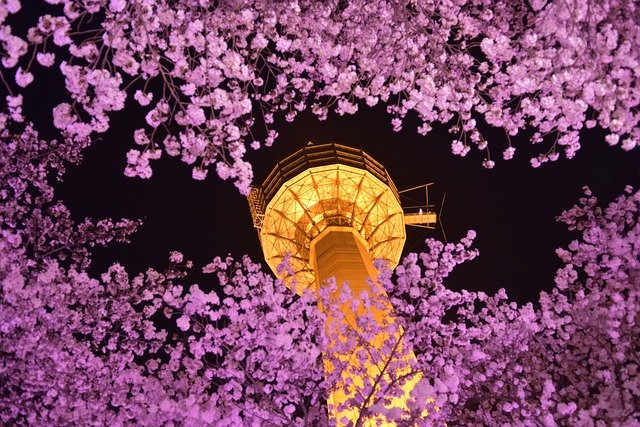
- N Seoul Tower: A panoramic view of the city.
- Bukchon Hanok Village: Traditional Korean houses.
- Busan:
- Haeundae Beach: Famous beach with a lively atmosphere.
- Gamcheon Culture Village: Colorful hillside village.
- Jagalchi Fish Market: Korea’s largest seafood market.
- Incheon: Known for its modern architecture and Chinatown.
- Daegu: Vibrant markets and traditional medicine culture.
Historical and Cultural Sites
- DMZ (Demilitarized Zone): A guided tour offers insights into the Korean conflict and history.
- Gyeongju: Known as "the museum without walls," filled with UNESCO World Heritage Sites.
- Jeonju Hanok Village: Renowned for its traditional architecture and bibimbap.
Nature and Adventure
- Jeju Island: Famous for its volcanic landscapes, beaches, and Hallasan Mountain.
- Seoraksan National Park: Ideal for hiking and scenic views.
- Jirisan National Park: Home to lush forests and ancient temples.
Food and Cuisine
Must-Try Dishes
- Kimchi: Spicy fermented vegetables, a staple in Korean cuisine.
- Bibimbap: Mixed rice with vegetables, meat, and chili paste.
- Bulgogi: Marinated and grilled beef.
- Samgyeopsal: Grilled pork belly, often served with lettuce wraps.
- Tteokbokki: Spicy rice cakes in a sweet and hot sauce.
- Jjajangmyeon: Noodles in a black bean sauce.
Dining Tips
- Eating is communal; sharing dishes is common.
- Tipping is not customary but appreciated in high-end establishments.
Festivals and Events
- Cherry Blossom Festivals (March-April): Held in cities like Seoul, Busan, and Jeju.
- Boryeong Mud Festival (July): A lively event with mud activities and concerts.
- Gwangju Biennale: International art exhibition.
- Seoul Lantern Festival (November): Stunning lantern displays along the Cheonggyecheon Stream.
Suggested Itineraries
3-Day Itinerary
- Day 1: Explore Seoul, including Gyeongbokgung Palace and Myeongdong.
- Day 2: Visit the DMZ and Bukchon Hanok Village.
- Day 3: Day trip to Suwon or Incheon.
7-Day Itinerary
- Day 1-3: Seoul highlights.
- Day 4: Day trip to Gyeongju.
- Day 5: Explore Busan’s beaches and markets.
- Day 6: Visit Jeju Island’s Hallasan Mountain and beaches.
- Day 7: Relax and enjoy Jeju’s waterfalls and local cuisine.
Best Time to Visit
- Spring (March-May): Cherry blossoms and mild weather.
- Autumn (September-November): Pleasant temperatures and stunning fall foliage.
- Winter (December-February): Perfect for winter sports enthusiasts.
- Summer (June-August): Hot and humid, but a great time for beaches.
Connectivity
- Wi-Fi: Free and fast in public spaces, restaurants, and hotels.
- SIM Cards: Purchase prepaid SIMs at the airport or convenience stores (e.g., KT, SK Telecom).
- Apps: KakaoMap, NaverMap, and Subway Korea are essential for navigation.
Shopping and Souvenirs
- Korean Skincare Products: Known worldwide for quality.
- K-pop Merchandise: From albums to accessories.
- Traditional Crafts: Hanji (Korean paper), celadon pottery, and hanbok (traditional clothing).
- Food Souvenirs: Ginseng, seaweed, and traditional teas.
Travel Tips
- Learn basic Korean phrases to enhance interactions.
- Public transport cards (e.g., T-money in Seoul) make travel easier.
- Be respectful of local customs, such as removing shoes before entering homes or traditional spaces.
Conclusion
South Korea is a captivating blend of the old and the new, offering unforgettable experiences for every type of traveler. Whether you're exploring ancient temples, indulging in world-class cuisine, or enjoying the vibrant nightlife of Seoul, South Korea promises a journey full of discovery and excitement.