Middle East
JordanNestled between stunning landscapes and a rich tapestry of history, Jordan invites you on a journey of discovery and enchantment that caters to the adventurous spirit within every woman traveler. From the breathtaking views of Petra carved into rose-red rock to the serene waters of the Dead Sea, each destination offers a unique blend of culture, tradition, and natural beauty. Embrace the vibrant local markets where spices dance in the air and artisans showcase their crafts, or savor the delightful fusion of flavors found in Jordanian cuisine, each dish telling a story of its own. As you explore ancient ruins and interact with welcoming locals, you'll find that Jordan is not just a place to visit, but a world to experience, filled with memories waiting to unfold.
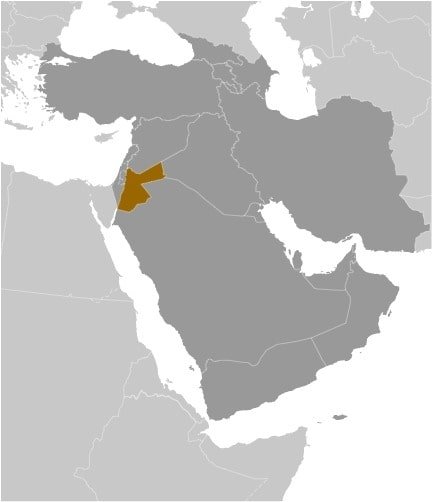
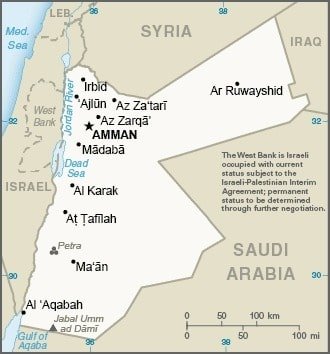
Comprehensive Travel Guide to Jordan
Jordan, a Middle Eastern gem, is renowned for its ancient history, stunning desert landscapes, and warm hospitality. From the world-famous archaeological site of Petra to the therapeutic waters of the Dead Sea, Jordan offers travelers a rich tapestry of experiences.
General Information
- Capital: Amman
- Population: 11,174,024
- Currency: Jordanian Dinar (JOD)
- Time Zone: GMT+2 (GMT+3 during daylight saving time)
- Official Language: Arabic
- Dialing Code: +962
- Driving Side: Right
Language and Communication
- Official Language: Arabic
- Widely Spoken: English, especially in tourist areas.
- Helpful Phrases:
- Hello: Marhaba
- Thank you: Shukran
- How much does it cost?: Kam thamanoh?
- Where is the restroom?: Ayna al-hammam?
Emergency Numbers
- Police: 911
- Fire: 911
- Ambulance: 911
- Mobile phones: 112
Currency and Money
- Currency: Jordanian Dinar (JOD)
- ATMs: Widely available in cities and tourist areas.
- Credit Cards: Accepted in most hotels, restaurants, and shops.
- Currency Exchange: Available at banks, exchange offices, and hotels.
Electricity and Plugs
- Voltage: 230 V
- Frequency: 50 Hz
- Plug Types: Type C, D, F, G, and J
- Adapter Needed: Yes, for travelers from countries using different plug types.
Safety and Health
Safety
- General Safety: Jordan is considered one of the safest countries in the Middle East for tourists.
- Tips: Avoid walking alone late at night in unfamiliar areas and always respect local customs.
Health
- Vaccinations: Routine vaccinations, plus Hepatitis A and Typhoid are recommended.
- Healthcare: Quality healthcare is available in major cities. Travel insurance is highly advised.
- Water Safety: Tap water is not recommended for drinking; opt for bottled water.
Transportation
Public Transport
- Buses: Operated by companies like JETT, buses connect major cities and tourist destinations.
- Taxis: Widely available; negotiate the fare beforehand or ensure the meter is used.
Driving
- Car Rentals: Available in major cities and airports.
- Road Conditions: Roads are generally well-maintained, but desert areas may require a 4WD vehicle.
Top Attractions and Activities
Amman
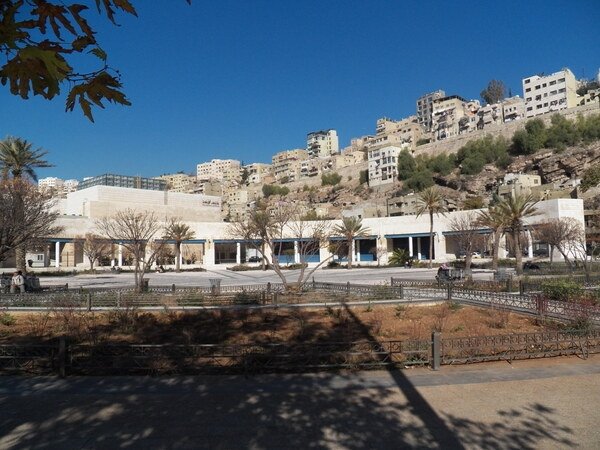
- Citadel Hill (Jabal al-Qal’a): Explore ancient Roman and Islamic ruins.
- Roman Theater: A well-preserved amphitheater in the heart of the city.
- Rainbow Street: A vibrant hub for dining, shopping, and nightlife.
Petra
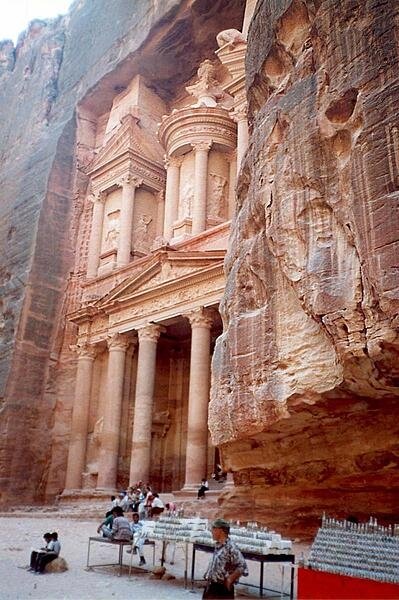
- Treasury (Al-Khazneh): The iconic rock-carved facade and UNESCO World Heritage Site.
- Monastery (Ad-Deir): A spectacular hike leads to this massive structure.
- Siq: A narrow canyon entrance to Petra, offering stunning views.
Wadi Rum
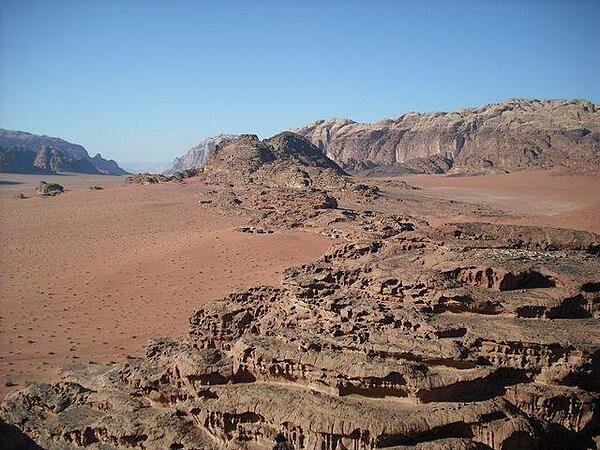
- Desert Tours: Explore dramatic landscapes with Bedouin-guided jeep or camel tours.
- Stargazing: Wadi Rum is famous for its clear night skies.
- Rock Formations: Don’t miss landmarks like the Seven Pillars of Wisdom.
Dead Sea
- Floating Experience: Relax in the mineral-rich, buoyant waters.
- Mud Baths: Rejuvenate your skin with therapeutic Dead Sea mud.
Jerash
- Roman Ruins: One of the best-preserved Greco-Roman cities, featuring the Oval Plaza and the Temple of Artemis.
Aqaba
- Red Sea Diving and Snorkeling: Discover vibrant coral reefs and marine life.
- Beaches: Enjoy the sun and sand along the Gulf of Aqaba.
Other Highlights
- Madaba: Visit the famous mosaic map of the Holy Land at St. George's Church.
- Mount Nebo: A site believed to be where Moses viewed the Promised Land.
- Dana Biosphere Reserve: Hike through stunning canyons and valleys teeming with biodiversity.
Food and Cuisine
Traditional Dishes
- Mansaf: The national dish, featuring lamb cooked in yogurt sauce and served with rice.
- Falafel: Deep-fried chickpea balls, often served with hummus and bread.
- Maqluba: A rice and meat dish flipped upside down when served.
- Kunafa: A sweet dessert made with cheese, syrup, and semolina.
Drinks
- Arabic Coffee: Strong and flavored with cardamom.
- Mint Tea: A refreshing staple in Jordanian hospitality.
Dining Tips
- Eating with the right hand is customary.
- Tipping around 10% is appreciated in restaurants.
Festivals and Events
- Jerash Festival (July-August): A celebration of Jordanian and Middle Eastern culture with music and dance.
- Amman International Film Festival (August): Showcasing regional and international cinema.
- Ramadan (Dates Vary): A month of fasting; be respectful of local customs during this time.
Suggested Itineraries
5-Day Itinerary
- Day 1: Explore Amman, including the Citadel and Roman Theater.
- Day 2: Visit Jerash and Ajloun Castle.
- Day 3: Spend the day exploring Petra.
- Day 4: Experience Wadi Rum with a jeep tour and stargazing.
- Day 5: Relax and float in the Dead Sea.
7-Day Itinerary
- Day 1-2: Discover Amman and Jerash.
- Day 3-4: Immerse yourself in Petra’s history and beauty.
- Day 5: Experience the desert magic of Wadi Rum.
- Day 6: Enjoy the beaches and marine life in Aqaba.
- Day 7: Conclude your trip at the Dead Sea.
Best Time to Visit
- Spring (March-May): Ideal weather for exploring and blooming wildflowers.
- Autumn (September-November): Pleasant temperatures and fewer crowds.
- Winter (December-February): Cooler weather, particularly in desert areas; Petra and Wadi Rum can be chilly.
- Summer (June-August): Hot, but manageable for exploring northern areas and the Dead Sea.
Connectivity
- Wi-Fi: Widely available in hotels and cafes.
- SIM Cards: Purchase local SIMs from providers like Zain, Orange, or Umniah for mobile data.
Travel Tips
- Respect Local Customs: Dress modestly, especially in rural areas and religious sites.
- Hydration: Always carry water, especially when exploring deserts or hiking.
- Haggling: Bargaining is common in markets and small shops.
Conclusion
Jordan is a land of timeless wonders and breathtaking landscapes. From the rose-red city of Petra to the golden dunes of Wadi Rum, this country promises a journey filled with history, adventure, and unparalleled hospitality.