Europe
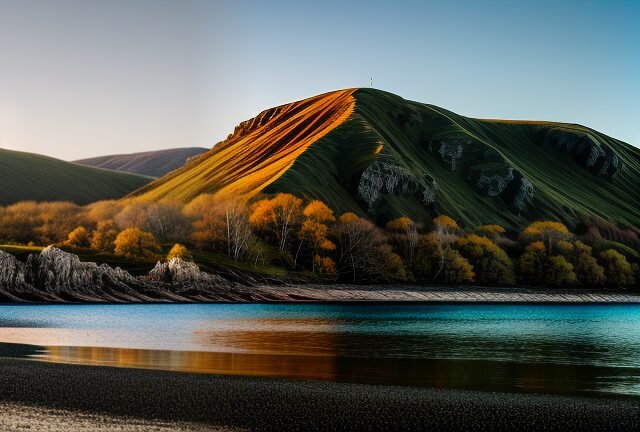
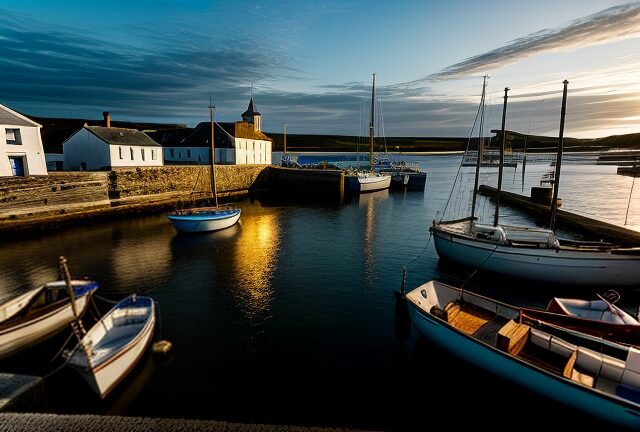
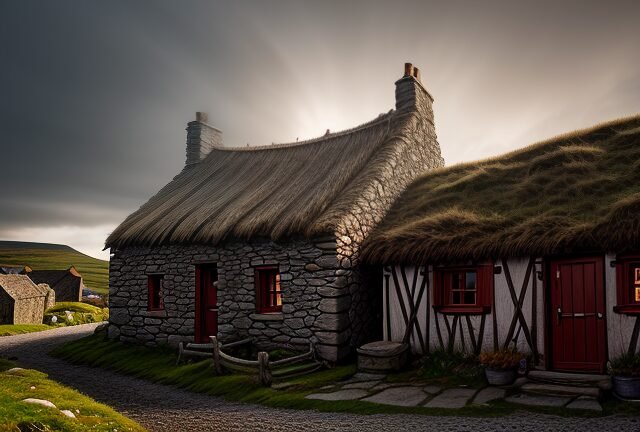
Isle of ManNestled in the heart of the Irish Sea, the Isle of Man beckons with its stunning landscapes and rich cultural tapestry, offering a perfect escape for adventurous women seeking both tranquility and exploration. This enchanting isle, known for its rolling hills, picturesque coastal cliffs, and charming villages, invites you to immerse yourself in a world where ancient history and vibrant traditions thrive. Discover the legends of the Manx people, stroll along the scenic paths of the famed Snaefell Mountain, and indulge in the local cuisine that showcases the best of Irish flavors. With its friendly locals and a welcoming spirit, the Isle of Man is not just a destination, but a captivating journey waiting to be experienced.
Comprehensive Travel Guide to the Isle of Man
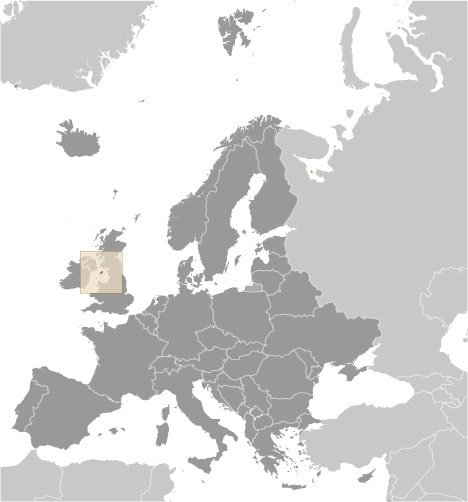
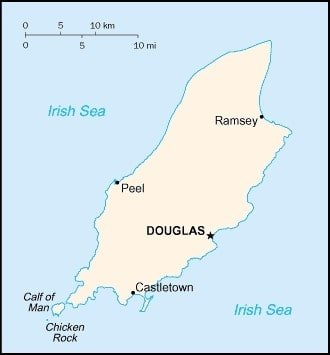
Nestled in the Irish Sea between England and Ireland, the Isle of Man is a unique destination known for its rugged coastlines, rolling hills, and a rich tapestry of history and folklore. Famous for its annual TT (Tourist Trophy) motorcycle races, the island also boasts ancient castles, scenic railways, and a distinctive Celtic and Norse heritage.
General Information
- Capital: Douglas
- Population: 92,269
- Currency: Manx Pound (IMP) and British Pound Sterling (GBP) (Interchangeable)
- Time Zone: Greenwich Mean Time (GMT), UTC +0 (Daylight Saving Time: UTC +1)
- Official Language: English (Manx Gaelic is also recognized)
- Dialing Code: +44
- Driving Side: Left
Language and Communication
- Primary Language: English
- Manx Phrases:
- Hello: Moghrey mie (Good morning)
- Thank you: Gura mie ayd
- Goodbye: Slane lhiat
- English is universally understood, but learning a few Manx phrases can delight locals.
Emergency Numbers
- Police, Fire, Ambulance: 999 or 112
Currency and Money
- Currency: Manx Pound (IMP) and British Pound (GBP).
- Manx coins and notes are legal tender only on the island.
- ATMs: Widely available across the island.
- Credit Cards: Accepted at most establishments.
- Currency Exchange: Available at banks, airports, and major hotels.
Electricity and Plugs
- Voltage: 240 V
- Frequency: 50 Hz
- Plug Types: Type G (British-style three-pin plugs).
- Adapter Needed: Yes, for travelers from countries using different plug types.
Safety and Health
Safety
- General Safety: The Isle of Man is extremely safe for travelers.
- Precautions: Take care on narrow roads, particularly during the TT races.
Health
- Vaccinations: Routine vaccinations are recommended.
- Water Safety: Tap water is safe to drink.
- Healthcare: High-quality facilities available. Reciprocal healthcare agreements exist for UK residents; travel insurance is advised for others.
Transportation
Domestic Travel
- Heritage Railways:
- Steam Railway: Connects Douglas to Port Erin.
- Manx Electric Railway: Runs from Douglas to Ramsey via Laxey.
- Snaefell Mountain Railway: A scenic route to the island’s highest peak.
Public Transport
- Buses: Reliable services connect major towns and villages.
- Taxis: Available but can be expensive.
Driving
- Car Rentals: Available at Douglas and the airport.
- Road Conditions: Well-maintained but often narrow and winding.
Key Attractions and Activities
Historical and Cultural Highlights
- Castle Rushen (Castletown):
- One of Europe’s best-preserved medieval castles.
- Peel Castle (Peel):
- A historic Viking fortress on St. Patrick’s Isle.
- Manx Museum (Douglas):
- Dive into the island’s fascinating history and folklore.
- House of Manannan (Peel):
- A museum exploring Celtic, Viking, and maritime heritage.
- Tynwald Hill (St. John’s):
- The site of the world’s oldest continuous parliament.
Natural Wonders
- Snaefell Mountain:
- The island’s highest peak, offering panoramic views.
- Calf of Man:
- A small, uninhabited island perfect for birdwatching and seal spotting.
- Laxey Wheel (Lady Isabella):
- The world’s largest working waterwheel, a tribute to the island’s mining heritage.
- Ayres Nature Reserve:
- A coastal habitat home to diverse flora and fauna.
- Glen Helen:
- A picturesque glen with walking trails and waterfalls.
Unique Events
- Isle of Man TT Races:
- A world-famous motorcycle event held annually in May-June.
Food and Cuisine
Traditional Dishes
- Manx Kippers: Smoked herring, a local delicacy.
- Queenies: Fresh Manx scallops, often served in a creamy sauce.
- Spuds and Herrin: A hearty dish of potatoes and herring.
- Bonnag: Traditional Manx bread, often enjoyed with butter or jam.
Drinks
- Bushy’s Beer: Locally brewed ales.
- Manx Spirit: A distilled drink reminiscent of whisky.
Dining Tips
- Tipping: 10% is customary in restaurants if service is not included.
- Local Produce: Enjoy fresh seafood, locally sourced meats, and artisanal cheeses.
Festivals and Events
- Isle of Man TT Races (May-June): A thrilling event for motorsport fans.
- Manx LitFest (September): Celebrating literature and local authors.
- Yn Chruinnaght Celtic Festival (July): A celebration of Celtic music, dance, and culture.
- Hop-tu-Naa (October 31): The Manx version of Halloween, steeped in local traditions.
Suggested Itineraries
3-Day Itinerary
- Day 1: Explore Douglas, including the Manx Museum and Gaiety Theatre.
- Day 2: Visit Peel Castle, the House of Manannan, and the Laxey Wheel.
- Day 3: Take the Snaefell Mountain Railway and explore the Calf of Man.
7-Day Itinerary
- Days 1-2: Douglas, Manx Museum, and the Steam Railway to Port Erin.
- Day 3: Visit Castletown and Castle Rushen.
- Day 4: Explore Peel and its Viking heritage.
- Day 5: Journey to Ramsey via the Manx Electric Railway.
- Day 6: Hike around Snaefell Mountain and enjoy the glens.
- Day 7: Relax and explore the coastal beauty of the Ayres Nature Reserve.
Best Time to Visit
- Summer (May-September): Pleasant weather and long daylight hours.
- Spring and Autumn: Ideal for outdoor activities with fewer crowds.
- Winter (December-February): Quieter but colder, with festive events.
Connectivity
- Wi-Fi: Widely available in hotels, cafes, and public spaces.
- SIM Cards: Purchase from providers like Sure or Manx Telecom for local data plans.
Travel Tips
- Respect Speed Limits: Certain rural roads have no speed limits; drive cautiously.
- Book Early for TT Races: Accommodation fills up quickly during the event.
- Wildlife Spotting: Keep an eye out for seals, basking sharks, and a variety of bird species.
Conclusion
The Isle of Man offers a unique blend of history, natural beauty, and cultural heritage. Whether you're exploring ancient castles, enjoying scenic railway journeys, or cheering on the TT racers, the island promises unforgettable memories.