Comprehensive Travel Guide to India
India, a land of vibrant colors, diverse cultures, and rich history, offers travelers an unmatched experience of traditions and modernity. From the snow-capped Himalayas in the north to the serene beaches in the south, the country is a treasure trove of breathtaking landscapes, ancient monuments, delectable cuisine, and warm hospitality.
General Information
- Capital: New Delhi
- Population: 1,409,128,296
- Currency: Indian Rupee (INR)
- Time Zone: Indian Standard Time (IST), UTC +5:30
- Official Languages: Hindi and English (22 officially recognized regional languages)
- Dialing Code: +91
- Driving Side: Left
Language and Communication
- Primary Languages: Hindi and English are widely spoken.
- Commonly Spoken: Regional languages such as Tamil, Bengali, Telugu, Marathi, Punjabi, Gujarati, and Kannada.
- Helpful Phrases:
- Hello: Namaste (नमस्ते)
- Thank You: Dhanyavaad (धन्यवाद)
- Good Morning: Suprabhat (सुप्रभात)
- How are you?: Aap kaise hain? (आप कैसे हैं?)
Emergency Numbers
- Police: 100 103 (traffic accident)
- Fire: 101
- Ambulance: 102
- Tourist Helpline: 1363
Currency and Money
- Currency: Indian Rupee (INR)
- ATMs: Widely available in cities and towns.
- Credit Cards: Accepted in urban areas and larger establishments.
- Currency Exchange: Available at airports, banks, and authorized money exchange centers.
Electricity and Plugs
- Voltage: 230 V
- Frequency: 50 Hz
- Plug Types: Type C, D, and M
- Adapter Needed: Yes, for travelers from countries using different plug types.
Safety and Health
Safety
- General Safety: India is generally safe for tourists, but exercise caution with personal belongings, especially in crowded areas.
- Women Travelers: Consider dressing conservatively in rural areas and using female-only transport options where available.
- Travel Advisory: Avoid isolated areas at night and remain aware of local customs.
Health
- Vaccinations: Recommended vaccinations include Hepatitis A and B, Typhoid, and Tetanus.
- Water Safety: Drink only bottled or filtered water. Avoid ice and uncooked food from street vendors.
- Healthcare: Major cities have excellent healthcare facilities; rural areas may have limited services. Travel insurance is essential.
Transportation
Public Transport
- Trains: Indian Railways operates an extensive network; book tickets in advance.
- Buses: Affordable and connect most cities and towns. Options include government and private operators.
- Rickshaws: Auto and cycle rickshaws are common for short distances.
Driving
- Car Rentals: Available in major cities; hiring a car with a driver is recommended for comfort and safety.
- Road Conditions: Vary widely; rural roads can be challenging.
Domestic Flights
- Airlines: Indigo, Air India, SpiceJet, and Vistara connect major cities.
Key Attractions and Activities
North India
- Delhi:
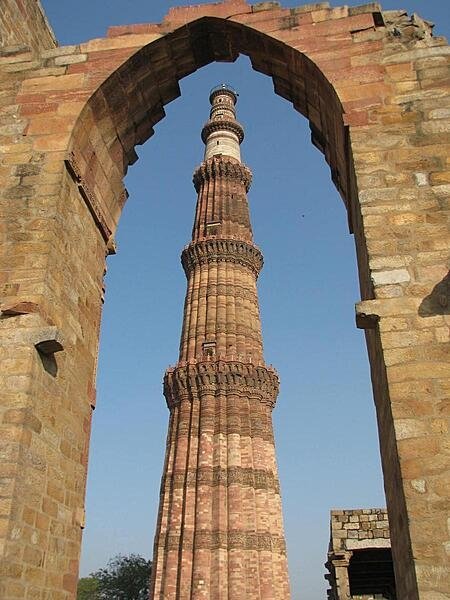
- Visit the Red Fort, Humayun’s Tomb, and India Gate.
- Explore bustling markets like Chandni Chowk.
- Agra:
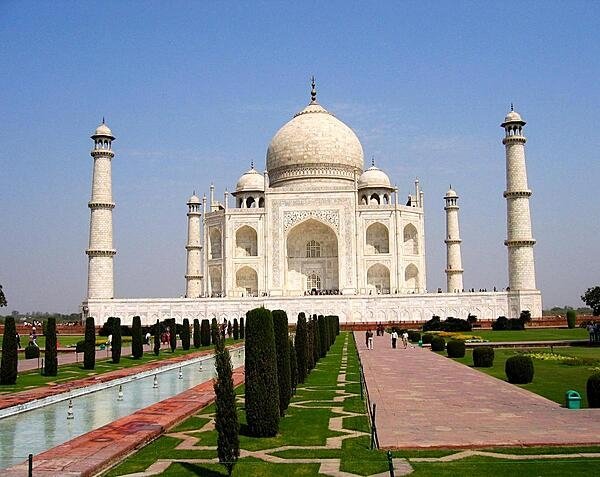
- Home to the iconic Taj Mahal, Agra Fort, and Fatehpur Sikri.
- Rajasthan:
- Jaipur: Amber Fort, City Palace, and Hawa Mahal.
- Udaipur: Lake Pichola and City Palace.
- Jodhpur: Mehrangarh Fort.
- Varanasi:
- Experience spiritual rituals on the ghats of the Ganges River.
South India
- Kerala:
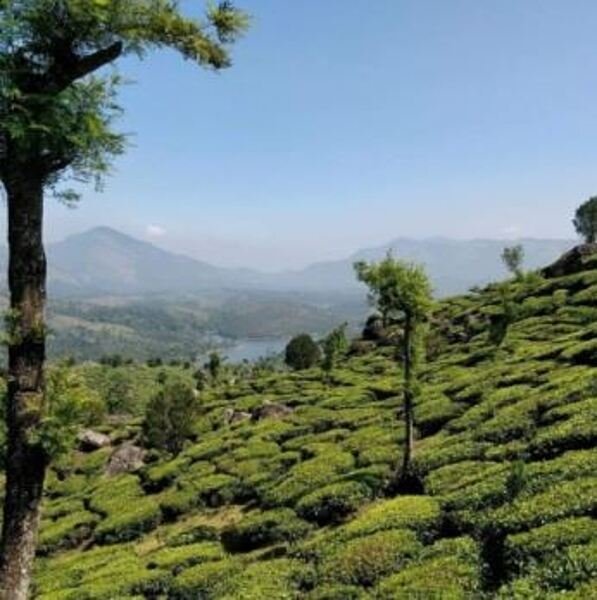
- Backwater cruises in Alleppey, tea plantations in Munnar, and Ayurvedic retreats.
- Tamil Nadu:
- Temples of Mahabalipuram, Madurai’s Meenakshi Temple, and Chennai’s Marina Beach.
- Karnataka:
- Bengaluru: Modern city with parks and nightlife.
- Hampi: Ancient ruins and temples.
East India
- Kolkata:
- Victoria Memorial, Howrah Bridge, and Indian Museum.
- Odisha:
- Sun Temple in Konark and Chilika Lake.
West India
- Mumbai:
- Gateway of India, Marine Drive, and Bollywood experiences.
- Goa:
- Renowned for its beaches, Portuguese heritage, and nightlife.
The Himalayas
- Leh-Ladakh:
- High-altitude landscapes, Buddhist monasteries, and adventure sports.
- Himachal Pradesh:
- Shimla and Manali offer scenic beauty and trekking.
- Uttarakhand:
- Rishikesh for yoga and Haridwar for spirituality.
Food and Cuisine
Must-Try Dishes
- North: Butter Chicken, Rogan Josh, Naan, and Chole Bhature.
- South: Dosa, Idli, Sambar, and Fish Curry.
- West: Pav Bhaji, Goan Vindaloo, and Gujarati Thali.
- East: Momos, Fish Curry, and Sweets like Rasgulla.
Dining Tips
- Street Food: Delicious but choose hygienic stalls.
- Tipping: 5-10% in restaurants is appreciated.
Festivals and Events
- Diwali: Festival of Lights (October/November).
- Holi: Festival of Colors (March).
- Durga Puja: Celebrated grandly in Kolkata (September/October).
- Pushkar Camel Fair: A unique event in Rajasthan (November).
Suggested Itineraries
7-Day Itinerary
- Day 1-2: Explore Delhi and Agra (Taj Mahal).
- Day 3-4: Visit Jaipur for forts and palaces.
- Day 5-6: Fly to Kerala; enjoy backwaters and Ayurveda.
- Day 7: Relax on a Goan beach.
14-Day Itinerary
- Week 1: Golden Triangle (Delhi, Agra, Jaipur), followed by Varanasi.
- Week 2: South India (Kerala and Tamil Nadu) or Himalayas (Ladakh and Himachal Pradesh).
Best Time to Visit
- Winter (October-March): Ideal for most regions.
- Summer (April-June): Best for hill stations.
- Monsoon (July-September): Lush landscapes but heavy rains in some areas.
Connectivity
- Wi-Fi: Available in hotels, cafes, and public spaces.
- SIM Cards: Purchase from providers like Jio, Airtel, or Vodafone for affordable mobile data.
Conclusion
India is a land of contrasts and diversity, offering something for everyone. Whether you’re exploring ancient temples, savoring spicy curries, or trekking in the Himalayas, India promises to be a sensory and cultural adventure like no other.