Europe
IcelandIceland, a land of breathtaking contrasts, invites you to explore its otherworldly landscapes where towering glaciers meet bubbling hot springs, and vibrant green valleys unfold beneath mesmerizing northern lights. This unique island, rich in folklore and culture, is the perfect escape for adventurous souls seeking both tranquility and thrill. From the majestic waterfalls and black sand beaches to the quaint charm of its coastal villages, every corner reveals a new wonder waiting to be discovered. Immerse yourself in the warmth of Icelandic hospitality as you savor local delicacies like fresh seafood and traditional lamb dishes, and let the enchanting beauty of this Nordic gem inspire your next great adventure.
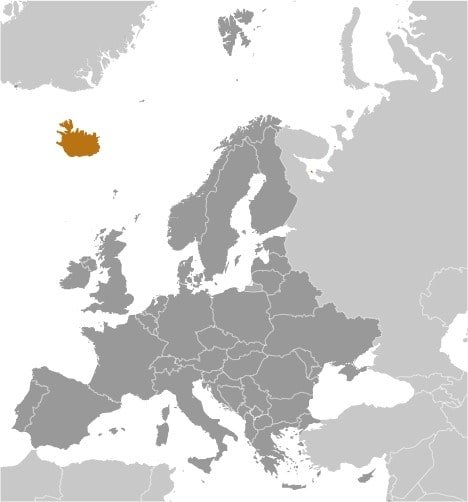
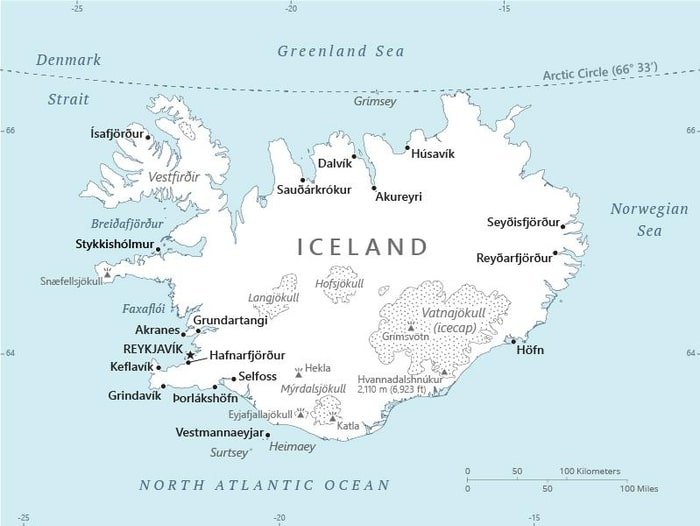
Comprehensive Travel Guide to Iceland
Iceland, often referred to as the "Land of Fire and Ice," is a breathtaking destination filled with dramatic landscapes, natural wonders, and unique cultural experiences. From its geothermal hot springs and majestic glaciers to its vibrant capital city and Viking heritage, Iceland promises an unforgettable journey for adventurers and nature lovers alike.
General Information
- Capital: Reykjavík
- Population: 364,036
- Currency: Icelandic Króna (ISK)
- Time Zone: Greenwich Mean Time (GMT), no daylight saving time
- Official Language: Icelandic
- Dialing Code: +354
- Driving Side: Right
Language and Communication
- Primary Language: Icelandic
- Commonly Spoken: English is widely spoken, especially in tourist areas.
- Helpful Phrases:
- Hello: Halló
- Thank You: Takk
- Good Morning: Góðan dag
- How are you?: Hvernig hefurðu það?
Emergency Numbers
- Emergency Services: 112
Currency and Money
- Currency: Icelandic Króna (ISK)
- ATMs: Widely available in cities and towns.
- Credit Cards: Accepted almost everywhere.
- Currency Exchange: Available at airports, banks, and major hotels.
Electricity and Plugs
- Voltage: 230 V
- Frequency: 50 Hz
- Plug Types: Type C and F (European-style plugs)
- Adapter Needed: Yes, for travelers from countries using different plug types.
Safety and Health
Safety
- General Safety: Iceland is one of the safest countries in the world.
- Weather Caution: Rapid weather changes can occur; always check forecasts when exploring.
- Nature Safety: Follow guidelines at natural attractions to avoid hazards.
Health
- Vaccinations: Routine vaccinations are sufficient.
- Water Safety: Tap water is safe to drink and among the purest in the world.
- Healthcare: High-quality services are available; travel insurance is recommended.
Transportation
Public Transport
- Buses: Reykjavík has a reliable bus network, but intercity public transport is limited.
- Taxis: Available in urban areas but can be expensive.
Driving
- Car Rentals: Popular for exploring remote areas; four-wheel-drive vehicles are recommended for rugged terrain.
- Road Conditions: Roads are well-maintained, but some mountain roads (F-roads) require special vehicles.
- Driving Tips: Beware of changing weather, strong winds, and gravel roads.
Domestic Flights
- Air Travel: Domestic flights connect Reykjavík with other regions, including Akureyri and Ísafjörður.
Key Attractions and Activities
Reykjavík
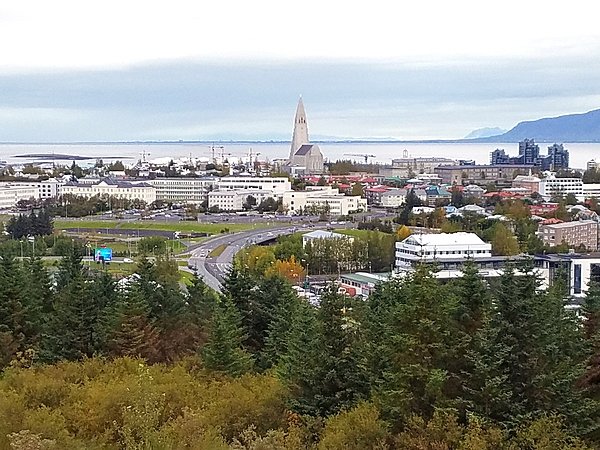
- Hallgrímskirkja: Iconic church with panoramic views of the city.
- Harpa Concert Hall: Architectural marvel and cultural hub.
- Laugavegur: Main shopping and dining street.
- Blue Lagoon: A geothermal spa near the capital, perfect for relaxation.
Natural Wonders
- Golden Circle:
- Thingvellir National Park: A UNESCO World Heritage Site where the Eurasian and North American tectonic plates meet.
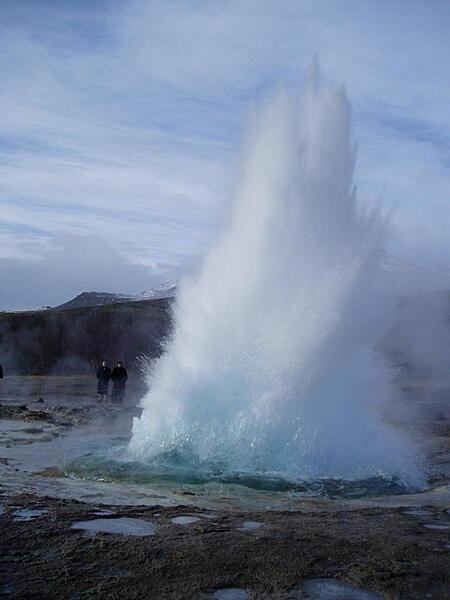
- Geysir: Home to the original geyser and the active Strokkur geyser.
- Gullfoss: A stunning two-tiered waterfall.
- Jökulsárlón Glacier Lagoon:
- Witness icebergs drifting in a serene glacial lake.
- Vatnajökull National Park:
- Home to Iceland’s largest glacier and many incredible hiking trails.
- Diamond Beach:
- A black sand beach dotted with glistening ice chunks.
- Seljalandsfoss and Skógafoss Waterfalls:
- Majestic waterfalls that are must-visit photo spots.
- Snæfellsnes Peninsula:
- Known as "Iceland in Miniature," it features volcanic craters, fjords, and the Snæfellsjökull glacier.
Adventure Activities
- Northern Lights:
- Best viewed between September and April in rural, dark areas.
- Glacier Hiking:
- Popular on Sólheimajökull and Vatnajökull glaciers.
- Whale Watching:
- Tours depart from Reykjavík and Húsavík, known as the whale-watching capital.
- Snorkeling/Diving:
- Experience the Silfra fissure in Thingvellir National Park, where you can snorkel between two tectonic plates.
Food and Cuisine
Must-Try Dishes
- Plokkfiskur: A traditional fish stew made with cod or haddock.
- Lamb Soup (Kjötsúpa): A hearty dish made with lamb, vegetables, and herbs.
- Skyr: A creamy, yogurt-like dairy product.
- Icelandic Hot Dog (Pylsur): Often topped with raw and fried onions, ketchup, mustard, and remoulade.
- Fermented Shark (Hákarl): A unique and daring Icelandic delicacy.
Dining Tips
- Tipping: Not mandatory, but rounding up the bill is appreciated.
- Local Ingredients: Fresh seafood and lamb are staples of Icelandic cuisine.
Festivals and Events
- Reykjavík Arts Festival (May-June): Celebrates visual art, music, and theater.
- Iceland Airwaves (November): A world-renowned music festival featuring local and international artists.
- Winter Lights Festival (February): Celebrates the return of light after Iceland's dark winter months.
- National Day (June 17): Parades, music, and cultural events across the country.
Suggested Itineraries
3-Day Itinerary
- Day 1: Explore Reykjavík and relax at the Blue Lagoon.
- Day 2: Drive the Golden Circle, visiting Thingvellir, Geysir, and Gullfoss.
- Day 3: Take a day trip to Jökulsárlón Glacier Lagoon and Diamond Beach.
7-Day Itinerary
- Day 1-2: Discover Reykjavík and its nearby attractions.
- Day 3: Visit the Snæfellsnes Peninsula.
- Day 4: Explore the Golden Circle.
- Day 5: Head to the South Coast, stopping at Seljalandsfoss and Skógafoss.
- Day 6: Experience Jökulsárlón and Diamond Beach.
- Day 7: Relax in a geothermal spa and enjoy local cuisine.
Best Time to Visit
- Summer (June-August): Long days, warmer weather, and accessible roads for exploring the Highlands.
- Winter (November-March): Best for viewing the Northern Lights and enjoying winter activities like ice caving.
Connectivity
- Wi-Fi: Widely available in accommodations, cafes, and public spaces.
- SIM Cards: Purchase from providers like Siminn or Vodafone for mobile data.
Conclusion
Iceland is a destination like no other, offering a blend of untouched nature, fascinating culture, and thrilling adventures. Whether you’re chasing the Northern Lights, soaking in geothermal spas, or marveling at glaciers and volcanoes, Iceland will captivate your heart and leave you with lifelong memories.