Europe
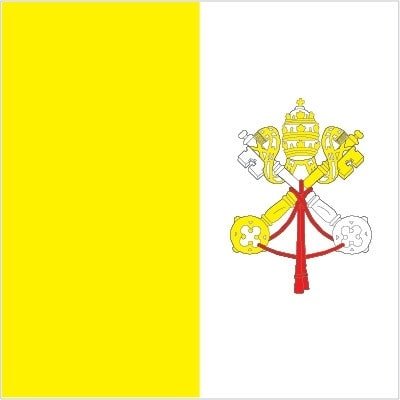
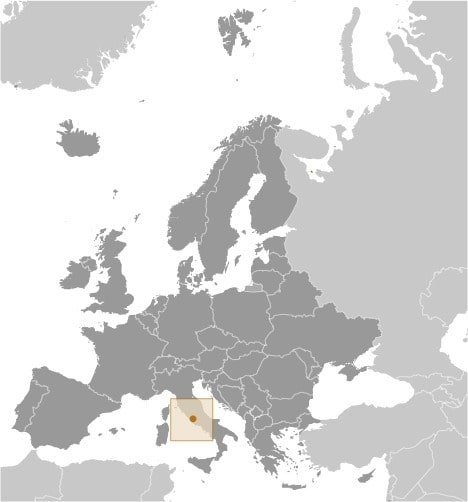
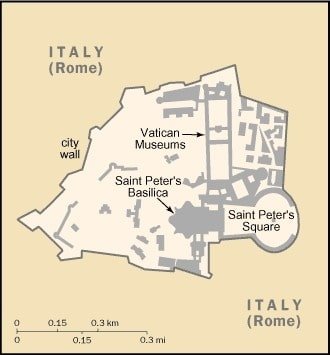
Holy See (Vatican City)Nestled within the heart of Italy, the Holy See, also known as Vatican City, stands as a beacon of spiritual significance and artistic splendor, captivating travelers with its rich history and unparalleled beauty. This minuscule yet powerful sovereign state is home to the Pope and serves as the epicenter of the Catholic Church, where the magnificent St. Peter's Basilica and the awe-inspiring Sistine Chapel showcase masterpieces that transcend time. Wander through the serene Vatican Gardens, where tranquility and reflection flourish amidst the vibrant flora, or immerse yourself in the vast collections of the Vatican Museums, each gallery revealing treasures that tell the story of faith, culture, and artistry. Despite its small size, Vatican City offers a profound experience that resonates deeply, making it an unmissable destination on your European journey. Whether you seek spiritual enlightenment or artistic inspiration, the Holy See invites you to explore its sacred corridors and feel the profound connection to centuries of tradition.
Comprehensive Travel Guide to the Holy See (Vatican City)
Vatican City, also known as the Holy See, is the smallest independent state in the world, both in terms of size and population. Nestled within the heart of Rome, Italy, this city-state is the spiritual and administrative center of the Roman Catholic Church. Vatican City is home to iconic landmarks such as St. Peter's Basilica, the Sistine Chapel, and the Vatican Museums, making it one of the most visited and revered places in the world.
General Information
- Capital: Vatican City
- Population: ~1000
- Currency: Euro (EUR)
- Time Zone: Central European Time (CET), UTC +1 (CET); UTC +2 (CEST - Daylight Saving Time)
- Official Languages: Italian, Latin (official language of the Holy See)
- Dialing Code: +39 (for Italy, Vatican City shares the country code)
- Driving Side: Right
Language and Communication
- Primary Language: Italian
- Widely Spoken: English, Spanish, French, and German (especially for international visitors)
- Helpful Phrases:
- Hello: Ciao (Italian)
- Thank You: Grazie (Italian)
- Good Morning: Buongiorno (Italian)
- How are you?: Come stai? (Italian)
- Goodbye: Arrivederci (Italian)
Emergency Numbers
- Police: 113
- Fire: 115
- Ambulance: 118
- General emergency number: 112
Currency and Money
- Currency: Euro (EUR)
- ATMs: Available in the Vatican and surrounding areas, especially near St. Peter's Square.
- Credit Cards: Accepted in most shops, museums, and restaurants.
- Currency Exchange: Available at banks and exchange offices in Rome, but limited within Vatican City itself.
Electricity and Plugs
- Voltage: 230 V
- Frequency: 50 Hz
- Plug Types: Type C, F, L
- Adapter Needed: Yes, for travelers from countries using different plug types.
Safety and Health
Safety
- General Safety: Vatican City is very safe. However, it shares Rome’s security concerns, so typical travel precautions should be taken in crowded places.
- Precautions: Be mindful of pickpockets in crowded tourist areas and maintain vigilance near St. Peter's Square and the Vatican Museums.
Health
- Healthcare: The Vatican does not have public healthcare, but emergency services can be accessed in Rome. Travelers should have travel insurance that covers medical emergencies.
- Water Safety: Tap water is safe to drink in Vatican City and Rome.
Transportation
Getting There
- By Air: The closest international airport is Leonardo da Vinci International Airport (Fiumicino), located about 30 minutes from the Vatican by car or train.
- By Train: Vatican City is easily accessible from Rome’s main train stations, including Termini Station, via the local metro or buses.
Public Transport
- Metro: Vatican City is near the Ottaviano-San Pietro metro station (Line A), which offers quick access to the Vatican.
- Bus: Various buses pass near Vatican City, but walking is often the best way to explore the area.
- Walking: The Vatican is small and easily walkable, with most of the main attractions within close proximity of each other.
Key Attractions and Activities
Religious and Historical Sites
- St. Peter's Basilica:
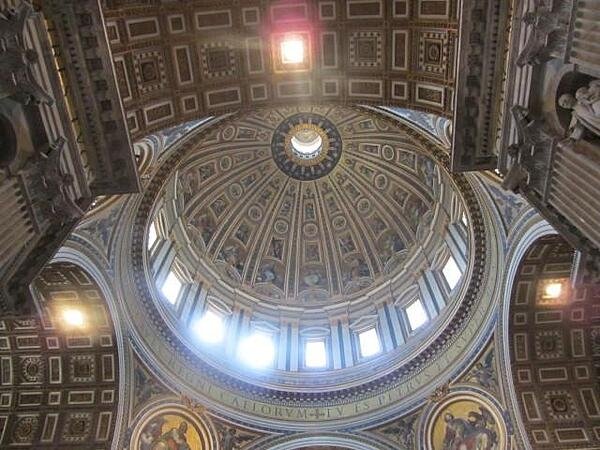
- The most significant church in Christianity, known for its Renaissance architecture, Michelangelo’s Dome, and the grand St. Peter’s Square.
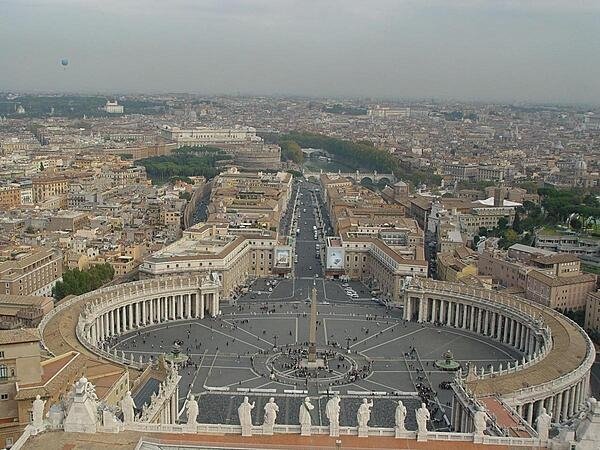
- Visitors can explore the church, climb to the dome for panoramic views of Rome, and visit the tomb of St. Peter.
- Sistine Chapel:
- Famous for Michelangelo’s stunning frescoes, particularly "The Last Judgment" and the iconic "Creation of Adam" on the ceiling.
- It is the location of papal conclaves, where new popes are elected.
- Vatican Museums:
- A world-renowned collection of art, including works by Raphael, Leonardo da Vinci, and the famous Laocoön sculpture.
- The Vatican Museums also house Egyptian antiquities, Renaissance art, and the stunning Gallery of Maps.
- St. Peter’s Square:
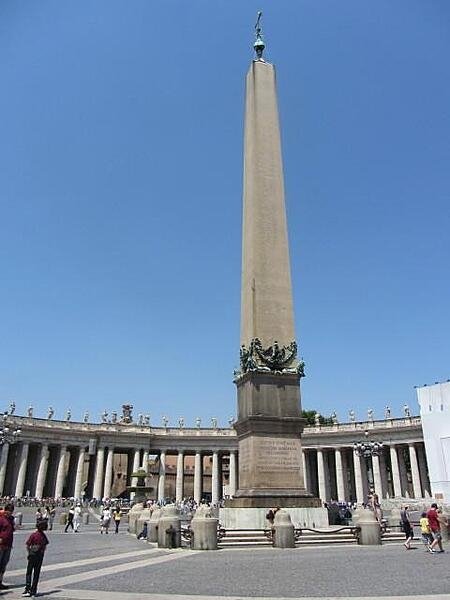
- A large plaza in front of St. Peter’s Basilica, where visitors can see the impressive obelisk, fountains, and the rows of columns that give the square its iconic shape.
Vatican Gardens
- Vatican Gardens:
- A peaceful area of gardens and green spaces where the Pope regularly walks. Guided tours are available to explore the meticulously kept gardens.
Apostolic Palace
- Apostolic Palace:
- The official residence of the Pope, which includes private chapels, the papal library, and papal apartments. Some areas are open to the public through guided tours.
Cultural and Religious Experiences
- Mass at St. Peter’s Basilica:
- Visitors can attend Mass at St. Peter’s Basilica, often led by the Pope, particularly on Sundays and during special occasions.
- Audience with the Pope:
- You can attend a Papal Audience on Wednesdays (during certain seasons), where the Pope addresses the crowd. Tickets are free, but reservations are required.
- Papal Blessing:
- Visitors can receive the Papal Blessing at noon on Sundays from St. Peter’s Square, or after Mass.
Shopping and Souvenirs
- Vatican Post Office:
- Send postcards from the Vatican’s unique post office.
- Vatican Gift Shop:
- Purchase religious artifacts, rosaries, crosses, and books on Christianity and Vatican history.
- Art and Religious Memorabilia:
- Unique art, prints, and sculptures are sold in shops around St. Peter’s Square and within the Vatican Museums.
Festivals and Events
- Papal Masses:
- The Pope celebrates various masses throughout the year, with the most notable on Christmas Eve and Easter.
- Feast of the Immaculate Conception (December 8):
- A significant religious celebration, marked by Mass at St. Peter’s Basilica.
- Vatican Museums Night Opening (Summer):
- During the summer months, the Vatican Museums offer evening hours, where visitors can explore the art collection under the stars.
Suggested Itineraries
1-Day Itinerary
- Morning: Visit St. Peter’s Basilica and explore the Vatican Museums, including the Sistine Chapel.
- Afternoon: Stroll through St. Peter’s Square and take time to visit the Vatican Gardens.
- Evening: Attend a Papal Audience (if available) or enjoy the evening ambiance in St. Peter’s Square.
3-Day Itinerary
- Day 1: Explore St. Peter’s Basilica and St. Peter’s Square.
- Day 2: Visit the Vatican Museums, the Sistine Chapel, and the Vatican Gardens.
- Day 3: Take a guided tour of the Apostolic Palace and enjoy Mass or the Papal Blessing.
Best Time to Visit
- High Season (April to October): Expect larger crowds and longer lines, especially during Easter and summer.
- Low Season (November to March): Fewer tourists, more peaceful visits, and shorter lines, but the weather can be cooler.
Connectivity
- Wi-Fi: Available in most hotels and cafes in Rome, but limited within Vatican City itself.
- SIM Cards: Purchase from providers such as TIM, Vodafone, or Wind in Rome for mobile data.
Conclusion
Vatican City is a profound destination for those seeking to immerse themselves in religious history, art, and culture. It is a place of spiritual significance and awe-inspiring beauty. Whether you are visiting for the architecture, the art, or the chance to experience a papal blessing, Vatican City offers a deeply enriching experience.