Antarctica
Heard Island and McDonald IslandsDiscover the enchanting allure of Heard Island and McDonald Islands, a realm where nature reigns supreme and adventure awaits at every turn. Nestled in the southern seas, these remote territories offer an unforgettable escape into rugged landscapes, teeming with wildlife and breathtaking vistas. Imagine hiking along ancient glaciers, marveling at the vibrant penguin colonies, and immersing yourself in the unique ecological wonders that define this untamed paradise. Ideal for the intrepid explorer, these islands beckon you to witness the raw beauty of the Earth as it was meant to be, far removed from the distractions of modern life. Embrace the chance to embark on a journey of discovery, where each moment is a reminder of the fragile yet awe-inspiring world we share.
Comprehensive Travel Guide to Heard Island and McDonald Islands (HIMI)
General Information
Location:
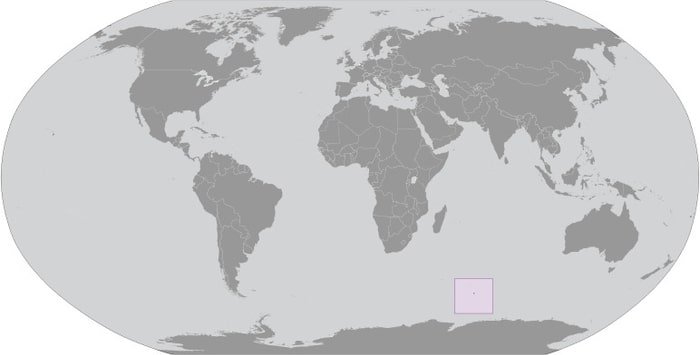
Southern Indian Ocean
- Territorial Status: External Territory of Australia
- Capital City: None (Uninhabited)
- Population: 0 (No permanent human inhabitants)
- Currency: Australian Dollar (AUD)
- Time Zone: UTC +5
- Official Language: English
- Dialing Code: N/A (No telecommunications infrastructure)
- Driving Side: N/A (No roads)
Overview
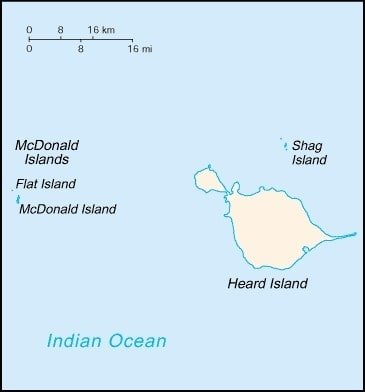
Heard Island and McDonald Islands (HIMI) are among the most isolated places on Earth. These volcanic sub-Antarctic islands are located 4,000 km (2,500 mi) southwest of Australia and 1,700 km (1,100 mi) north of Antarctica. The islands are uninhabited and designated as a UNESCO World Heritage Site due to their pristine ecosystems, unique biodiversity, and active volcanoes, including Big Ben, Australia’s highest mountain.
Language and Communication
- Primary Language: English (as an Australian territory)
- Communication: No mobile network, internet, or satellite communication infrastructure.
- Radio Communication: Used by scientific expeditions.
Emergency and Safety Considerations
- Rescue Services: Extremely limited—nearest human settlement is thousands of kilometers away.
- Medical Facilities: None—visitors must be completely self-sufficient.
- Harsh Weather: Sudden storms, freezing temperatures, and strong winds make survival challenging.
Currency and Money
- Currency: Australian Dollar (AUD)
- Payment Methods: Not applicable—no commercial activity or businesses.
Electricity and Plugs
- Power Supply: None—expeditions bring their own generators and solar power.
- Voltage & Frequency: 230V, 50Hz (Australian standard) if using generators.
- Plug Type: Type I (Australian standard) if electricity is used.
Safety and Health
- Extreme Climate: Strong winds, freezing temperatures, and year-round glacial conditions.
- Wildlife Hazards: Seals and seabirds can be territorial; maintain distance.
- Glacial Risks: Avalanches, crevasses, and icefalls are present on Heard Island.
- Health Risks: No medical facilities—evacuation is nearly impossible.
- Environmental Protection: Strict conservation laws prohibit waste, food imports, and biological contamination.
Transportation
- Access: No airports, harbors, or permanent transport infrastructure.
- How to Get There:
- Private Expeditions: Requires permits from the Australian government.
- Scientific Research Vessels: Occasionally visit from Australia.
- Boats and Ships: Icebreaker vessels are required to navigate rough Southern Ocean waters.
Shopping & Souvenirs
- None: There are no shops, markets, or commercial establishments.
Festivals & Events
- None: The islands are uninhabited and have no cultural or social events.
Activities & Attractions
Natural Attractions
- Big Ben Volcano (Heard Island): Australia’s only active volcano, rising 2,745 meters (9,006 feet).
- Mawson Peak: The highest summit of Big Ben, often covered in ice.
- McDonald Islands: Remote and rarely visited, these islands have been volcanically active in recent years.
Wildlife & Natural Wonders
- Penguins: Home to massive colonies of King Penguins, Macaroni Penguins, and Gentoo Penguins.
- Seals: Elephant Seals and Fur Seals breed on the islands.
- Seabirds: Over 50 bird species, including Albatrosses, Petrels, and Skuas.
- Glaciers: The island is 80% covered in ice, with stunning glacial landscapes.
Scientific Research & Exploration
- Climate Change & Glaciology: Studies on glacier retreat and Antarctic climate patterns.
- Volcanology: Research on active volcanic activity at Big Ben and McDonald Islands.
- Marine Biology: The islands support a pristine sub-Antarctic marine ecosystem.
Suggested Itineraries
7-Day Scientific Expedition Itinerary (For Authorized Researchers Only)
Day 1-2: Arrival & Base Setup
- Arrive via research vessel.
- Establish a temporary base at Atlas Cove (Heard Island).
Day 3-4: Wildlife Observation & Glacier Exploration
- Visit Spit Bay for penguin and seal colonies.
- Explore Gotley Glacier and monitor climate change effects.
Day 5-6: Volcanic Research at Big Ben
- Conduct volcanic activity studies at Mawson Peak.
- Install seismic monitoring equipment.
Day 7: Departure & Decontamination
- Clean all equipment to prevent environmental contamination.
- Return to Australia via ship.
10-Day Adventure & Scientific Mission (For Highly Experienced Explorers & Scientists)
Day 1-2: Arrival & Camp Setup
- Land at Atlas Cove and set up a temporary research station.
Day 3-4: Wildlife & Ecosystem Studies
- Conduct biodiversity surveys on seals, penguins, and seabirds.
- Collect marine samples for ecological research.
Day 5-6: Glacier & Climate Studies
- Monitor glacial melt and ice movements.
- Install weather stations for long-term climate tracking.
Day 7-8: Big Ben Volcano & Geological Research
- Survey lava flows and seismic activity.
- Take rock samples for geological study.
Day 9-10: Pack Up & Return Journey
- Clean all gear for biosecurity compliance.
- Board ship for return to Australia.
Best Time to Visit
- Limited to November – March (Antarctic Summer)
- Milder temperatures (-5°C to +5°C / 23°F to 41°F)
- Longer daylight hours
- Less extreme storms
Connectivity
- Wi-Fi & Mobile Networks: None.
- Satellite Communication: Required for emergency contact.
- Radio Communication: Used for scientific expeditions.
Travel Tips
Government Permits Required: You must obtain a permit from the Australian Antarctic Division.
Extreme Weather Gear: Thermal clothing, waterproof layers, and survival equipment are essential.
Be 100% Self-Sufficient: Bring food, medical supplies, and emergency kits.
Follow Environmental Protection Laws: No littering, food waste, or biological contamination allowed.
Expect No Rescue Support: The closest help is thousands of kilometers away.
Conclusion
Heard Island and McDonald Islands are among the most isolated, untouched, and extreme destinations on Earth. The harsh environment, active volcanoes, and extraordinary wildlife make it a scientific treasure but also a logistical challenge. Only highly skilled scientists, researchers, and extreme adventurers should attempt an expedition.