South America
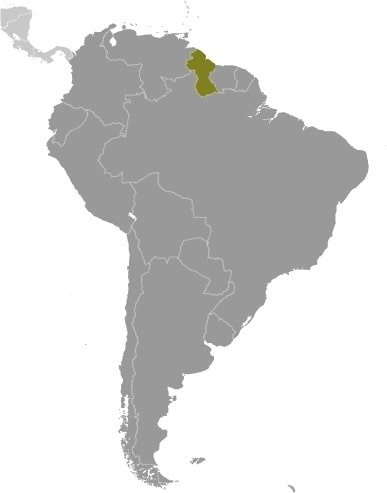
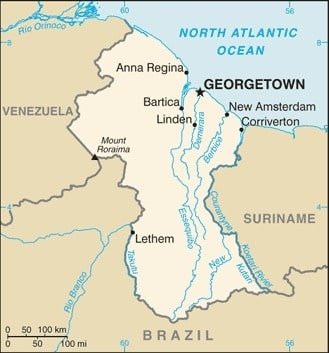
GuyanaNestled on the northeastern coast of South America, Guyana beckons with its untouched rainforests, vibrant wildlife, and rich cultural tapestry that reflects the heart and soul of its indigenous peoples, African heritage, and colonial history. Explore the mesmerizing Kaieteur Falls, one of the world's most spectacular waterfalls, or wander through the lush expanses of the Amazon rainforest, where the air is filled with the sounds of exotic birds and the rustle of leaves. Journey through Georgetown's colonial architecture and lively markets, savoring the unique blend of flavors found in Guyanese cuisine that celebrates its diverse roots. Whether you're trekking along serene waterways, discovering the vibrant arts scene, or connecting with warm and welcoming locals, Guyana offers an adventure that is truly off the beaten path, promising memories that will resonate long after your visit.

Comprehensive Travel Guide to Guyana
Guyana, the "Land of Many Waters," is a small yet captivating country in South America. With its lush rainforests, majestic waterfalls, diverse wildlife, and rich cultural tapestry, Guyana is a paradise for eco-tourists and adventurers. Its unspoiled natural beauty and blend of Caribbean and South American cultures make it a unique destination for those seeking off-the-beaten-path experiences.
General Information
- Capital: Georgetown
- Population: 794,099
- Currency: Guyanese Dollar (GYD)
- Time Zone: Guyana Time (GYT), UTC -4
- Official Language: English
- Dialing Code: +592
- Driving Side: Left
Language and Communication
- Primary Language: English
- Widely Spoken: Guyanese Creole, Hindi, Urdu, and Indigenous languages.
- Helpful Phrases:
- Hello: Hello
- Thank You: Thank you
- How are you?: How yuh deh? (Creole)
- Goodbye: Goodbye
Emergency Numbers
- Police: 999, 911
- Fire: 999, 912
- Ambulance: 999, 913
Currency and Money
- Currency: Guyanese Dollar (GYD)
- ATMs: Available in major towns, but carry cash for rural areas.
- Credit Cards: Accepted in hotels and larger establishments; cash is preferred in smaller towns.
- Currency Exchange: Available at banks, exchange offices, and some hotels.
Electricity and Plugs
- Voltage: 240 V
- Frequency: 50 Hz
- Plug Types: Type A, B, D, and G
- Adapter Needed: Yes, for travelers from countries using different plug types.
Safety and Health
Safety
- General Safety: Exercise caution, particularly in Georgetown, to avoid petty theft.
- Precautions: Avoid walking alone at night and keep valuables secure.
- Travel Advisory: Stick to reputable guides for trips into remote areas.
Health
- Vaccinations: Yellow Fever vaccination is mandatory. Hepatitis A, Typhoid, and Malaria prophylaxis are recommended.
- Water Safety: Drink bottled or boiled water.
- Healthcare: Limited outside Georgetown; ensure comprehensive travel insurance.
Transportation
Public Transport
- Minibuses: The primary mode of local transport; inexpensive but can be overcrowded.
- Taxis: Widely available; fares should be agreed upon in advance.
Driving
- Road Conditions: Paved in urban areas but challenging and unpaved in rural regions.
- Car Rentals: Available in Georgetown; a 4x4 is recommended for remote travel.
Activities and Attractions
Natural Wonders
- Kaieteur Falls:
- One of the world’s tallest single-drop waterfalls, located in the heart of the rainforest.
- Accessible via a short flight from Georgetown or a multi-day hike.
- Iwokrama Rainforest:
- A pristine wilderness offering canopy walks, birdwatching, and wildlife spotting.
- Home to jaguars, giant river otters, and harpy eagles.
- Rupununi Savannah:
- Vast grasslands ideal for wildlife safaris and cultural interactions with Indigenous communities.
Urban Highlights
- Georgetown:
- Visit St. George’s Cathedral, one of the world’s tallest wooden churches.
- Explore the Botanical Gardens and Zoological Park for a serene experience.
- Stabroek Market, a bustling hub for local crafts, produce, and cultural immersion.
Cultural Experiences
- Indigenous Villages:
- Learn about the traditions and lifestyles of the Amerindian communities.
- Visit Surama or Rewa Village for authentic experiences and guided eco-tours.
- Demerara Distilleries: Tour the makers of El Dorado Rum and enjoy tastings of their premium spirits.
Festivals and Events
- Mashramani (February): A vibrant celebration of Guyana’s Republic Day with parades, music, and costumes.
- Diwali: A festival of lights celebrated by the Hindu community with stunning decorations and cultural events.
- Indigenous Heritage Month (September): A tribute to Guyana’s Amerindian culture with dances, crafts, and traditional food.
Food and Cuisine
Traditional Dishes
- Pepperpot: A slow-cooked meat stew with cassareep (cassava syrup) and spices.
- Cook-Up Rice: A one-pot dish made with rice, beans, coconut milk, and meat or fish.
- Roti and Curry: Flatbread served with flavorful curries, often made with chicken or goat.
- Metemgee: A hearty stew of root vegetables and dumplings cooked in coconut milk.
Drinks
- El Dorado Rum: A world-famous Guyanese rum.
- Mauby: A refreshing drink made from tree bark, spices, and sugar.
- Fresh Tropical Juices: Guava, passionfruit, and mango are popular options.
Shopping and Souvenirs
- Handcrafted Jewelry: Made from local seeds, stones, and shells.
- Amerindian Crafts: Baskets, carvings, and pottery reflecting Indigenous artistry.
- Local Spices: Perfect for replicating Guyanese flavors at home.
- El Dorado Rum: A premium souvenir for rum enthusiasts.
Suggested Itineraries
3-Day Itinerary
- Day 1: Explore Georgetown, including St. George’s Cathedral, Botanical Gardens, and Stabroek Market.
- Day 2: Take a day trip to Kaieteur Falls.
- Day 3: Visit the Iwokrama Canopy Walkway for stunning rainforest views.
7-Day Itinerary
- Day 1-2: Immerse yourself in Georgetown’s history and culture.
- Day 3: Fly to Kaieteur Falls and enjoy the natural wonder.
- Day 4-5: Head to the Rupununi Savannah for wildlife spotting and Indigenous village visits.
- Day 6: Explore Iwokrama Rainforest and its biodiversity.
- Day 7: Relax and enjoy a rum distillery tour or souvenir shopping.
Best Time to Visit
- Dry Season (February to April, September to November): Ideal for travel and outdoor activities.
- Wet Season (May to August, December to January): Heavy rains but lush landscapes; some remote areas may be inaccessible.
Connectivity
- Wi-Fi: Available in hotels and cafes in urban areas but limited in rural regions.
- SIM Cards: Purchase from local providers like GTT or Digicel for mobile data.
Conclusion
Guyana is a hidden gem for adventurers, nature lovers, and cultural explorers. With its breathtaking landscapes, rich biodiversity, and welcoming communities, this South American treasure offers unforgettable experiences in an unspoiled setting.