Africa
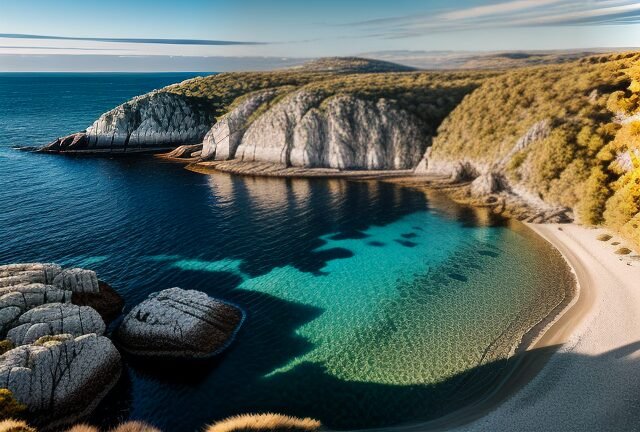
Guinea-BissauDiscover the enchanting allure of Guinea-Bissau, where the vibrant tapestry of culture and breathtaking natural beauty invite you to explore its hidden gems. This captivating destination boasts lush landscapes, pristine beaches, and rich biodiversity, beckoning travelers to immerse themselves in its serene islands and vibrant wildlife. Stroll through lively markets filled with colorful crafts, savor the unique flavors of local cuisine, and engage with warm-hearted locals who embody the spirit of community and hospitality. As you venture through Guinea-Bissau, each moment offers a chance to create unforgettable memories in a land that feels both exhilarating and beautifully unspoiled, making it a must-visit for every adventurer at heart.
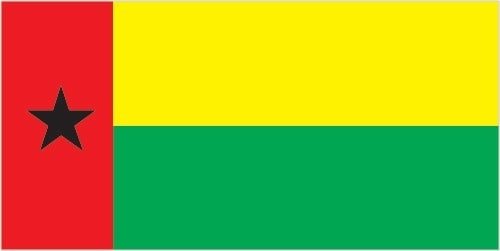
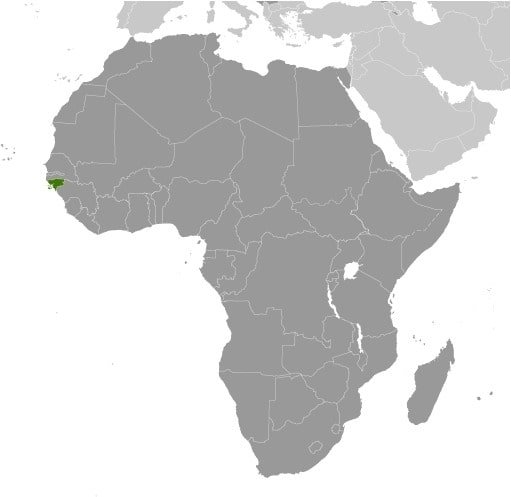
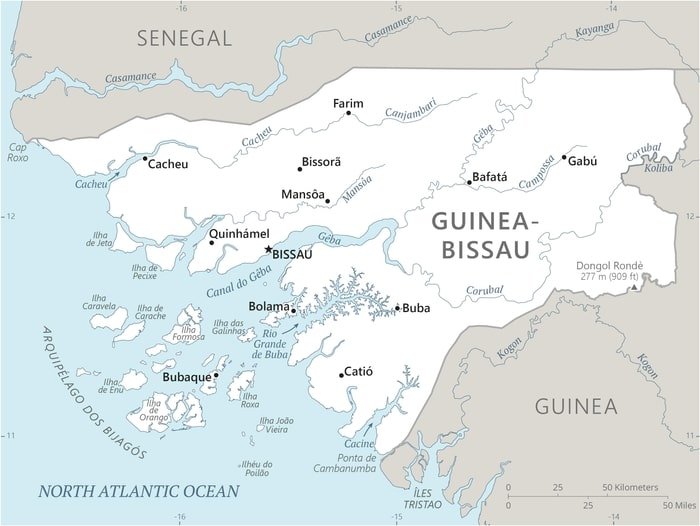
Comprehensive Travel Guide to Guinea-Bissau
Guinea-Bissau, a small West African nation, is a land of unspoiled natural beauty and rich cultural traditions. Known for its archipelago of pristine islands, vibrant music, and unique history, Guinea-Bissau is an emerging destination for eco-tourists and culture enthusiasts seeking an off-the-beaten-path adventure.
General Information
- Capital: Bissau
- Population: 2,132,325
- Currency: West African CFA Franc (XOF)
- Time Zone: Greenwich Mean Time (GMT), UTC +0
- Official Language: Portuguese
- Dialing Code: +245
- Driving Side: Right
Language and Communication
- Primary Language: Portuguese
- Widely Spoken: Creole (Kriol), Balanta, Fulani, and Mandinka.
- Helpful Phrases:
- Hello: Olá
- Thank You: Obrigado/a
- Please: Por favor
- How are you?: Como está?
Emergency Numbers
- Police: 117
- Fire: 118
- Ambulance: 119
- Other emergency numbers : 112
Currency and Money
- Currency: West African CFA Franc (XOF)
- ATMs: Limited availability; carry cash, especially for rural areas.
- Credit Cards: Rarely accepted; transactions are mostly cash-based.
- Currency Exchange: Available in Bissau; Euros are the easiest to exchange.
Electricity and Plugs
- Voltage: 220 V
- Frequency: 50 Hz
- Plug Types: Type C, E (European-style plugs)
- Adapter Needed: Yes, for travelers from countries with different plug types.
Safety and Health
Safety
- General Safety: Guinea-Bissau is relatively safe, but petty theft can occur.
- Precautions: Avoid traveling at night and exercise caution in crowded areas.
Health
- Vaccinations: Yellow Fever vaccination is mandatory. Hepatitis A, Typhoid, and Malaria prophylaxis are recommended.
- Water Safety: Drink only bottled or boiled water.
- Healthcare: Limited facilities; ensure you have comprehensive travel insurance.
Transportation
Public Transport
- Minibuses (Toca-Tocas): The most common form of transport, though often overcrowded.
- Taxis: Available in urban areas; fares should be negotiated in advance.
Driving
- Road Conditions: Roads are often poorly maintained, especially outside the capital.
- Car Rentals: Limited options in Bissau; a driver is often included.
Activities and Attractions
Natural Wonders
- Bijagós Archipelago:
- A UNESCO Biosphere Reserve with 88 islands, known for their biodiversity and traditional culture.
- Visit Orango Island for wildlife, including rare saltwater hippos.
- Cantanhez Forest National Park:
- A lush rainforest teeming with chimpanzees, monkeys, and diverse bird species.
Urban Highlights
- Bissau:
- Explore the colonial architecture and historic sites in the city center.
- Visit the National Ethnographic Museum for insights into Guinea-Bissau’s culture.
- Amura Fortress, a key historical site with ties to the country's independence.
Cultural Experiences
- Tabanka Villages: Learn about the traditional customs, music, and dances of the local communities.
- Markets:
- Visit Bandim Market in Bissau for local crafts, fresh produce, and cultural immersion.
Festivals and Events
- Carnival (February or March): A vibrant celebration of music, dance, and colorful costumes.
- Bijagós Initiation Rites: Unique traditional ceremonies held in the islands.
- National Independence Day (September 24): Celebrated with parades, music, and festivities.
Food and Cuisine
Traditional Dishes
- Jollof Rice: A flavorful rice dish cooked with tomatoes, vegetables, and spices.
- Caldo de Mancarra: A peanut-based stew served with rice or cassava.
- Grilled Fish: Freshly caught and served with spicy sauces.
- Palm Wine: A traditional fermented drink from the sap of palm trees.
Dining Tips
- Street food is popular but ensure it’s freshly prepared.
- Tipping is appreciated but not mandatory (5-10%).
Shopping and Souvenirs
- Handmade Baskets: Crafted by local artisans.
- Bijagós Masks: Intricately carved masks used in traditional ceremonies.
- Textiles: Vibrant patterns reflecting Guinea-Bissau’s cultural diversity.
- Jewelry: Beaded necklaces and bracelets made from natural materials.
Suggested Itineraries
3-Day Itinerary
- Day 1: Explore Bissau, visiting the National Ethnographic Museum and Amura Fortress.
- Day 2: Take a day trip to the Bijagós Archipelago, focusing on Orango Island.
- Day 3: Visit Cantanhez Forest National Park for wildlife and birdwatching.
7-Day Itinerary
- Day 1-2: Immerse yourself in Bissau’s markets, museums, and historical sites.
- Day 3-4: Explore the Bijagós Archipelago, staying overnight on Orango or Bubaque Island.
- Day 5: Visit Cantanhez Forest National Park for a rainforest experience.
- Day 6: Learn about local traditions in Tabanka villages.
- Day 7: Enjoy a relaxing day on a quiet island beach or explore more of Bissau.
Best Time to Visit
- Dry Season (November to May): Ideal for travel with dry weather and cooler temperatures.
- Wet Season (June to October): Expect heavy rains but lush, green landscapes.
Connectivity
- Wi-Fi: Limited and often slow, available in some hotels and urban cafes.
- SIM Cards: Purchase from local providers like Orange for mobile data.
Conclusion
Guinea-Bissau offers a rare mix of pristine natural beauty, rich cultural traditions, and a welcoming atmosphere. From the untouched islands of the Bijagós Archipelago to the lively streets of Bissau, this hidden gem invites travelers to experience its authenticity and charm.