Comprehensive Travel Guide to the European Union (EU)
General Information
- Official Name: European Union (EU)
- Headquarters: Brussels, Belgium
- Population: Approximately 450 million (27 member states combined)
- Currency: Euro (€) (used by 20 of the 27 member states, known as the Eurozone)
- Time Zones: UTC+0 to UTC+3, depending on the country.
- Official Languages: 24 official languages (including English, French, German, Spanish, etc.)
- Dialing Code: Varies by country (e.g., +33 for France, +49 for Germany).
- Driving Side: Right (except in countries like Ireland, Malta, and Cyprus, where driving is on the left).
The European Union is a political and economic union of 27 member states offering a blend of cultures, languages, and historical richness. From the snow-capped Alps to Mediterranean beaches and medieval towns, the EU is a treasure trove of experiences.
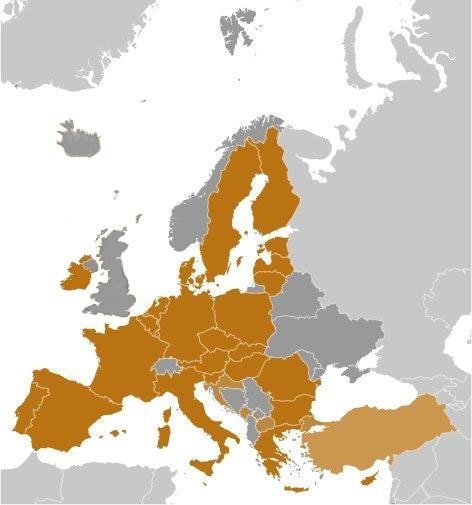
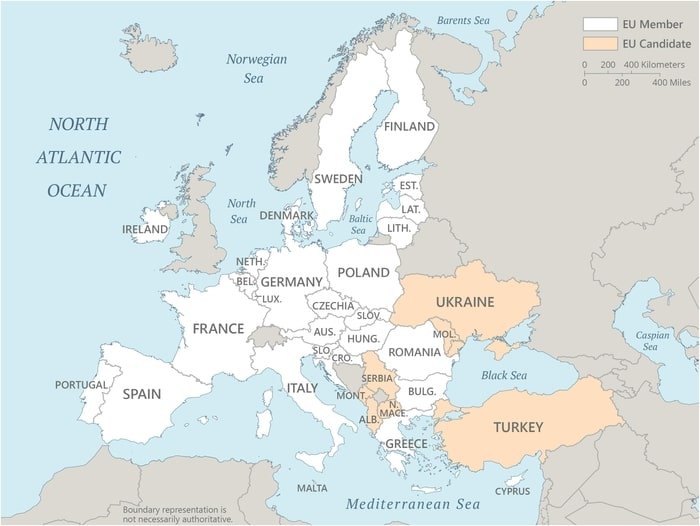
Member Countries
Language and Communication
- Primary Languages: Each country has its official language(s). English is widely understood, particularly in tourist areas.
- Useful Phrases in Various Languages:
- Hello: Bonjour (French), Guten Tag (German), Hola (Spanish), Ciao (Italian).
- Thank you: Merci, Danke, Gracias, Grazie.
- Do you speak English?: Parlez-vous anglais? (French), Sprechen Sie Englisch? (German).
Emergency Numbers
- Europe-wide Emergency Number: 112
Currency and Money
- Primary Currency: Euro (€), used in most member states.
- Exceptions: Some countries, such as Poland (Zloty), Hungary (Forint), and Sweden (Krona), use their own currencies.
- ATMs: Widely available.
- Credit Cards: Accepted almost everywhere.
Electricity and Plugs
- Voltage: 230 V
- Frequency: 50 Hz
- Plug Types: Type C and Type F (commonly known as "Europlug").
Safety and Health
Safety
- Crime: Generally low, though pickpocketing occurs in tourist-heavy areas.
- Travel Tips: Be cautious in crowded places and always secure your belongings.
Health
- Healthcare: High-quality healthcare is available; EU citizens benefit from the European Health Insurance Card (EHIC).
- Vaccinations: Standard vaccinations are sufficient.
Transportation
- Rail: High-speed trains like Eurostar, TGV, and ICE connect major cities.
- Air Travel: Budget airlines (e.g., Ryanair, EasyJet) provide affordable options.
- Driving: Roads are excellent; some countries require vignettes or tolls.
- Public Transport: Extensive and efficient, including metro systems, buses, and trams.
Activities and Attractions
Historical Sites
- France: Eiffel Tower, Palace of Versailles, and Mont Saint-Michel.
- Italy: Colosseum, Vatican City, and the Leaning Tower of Pisa.
- Greece: Acropolis of Athens, Delphi, and Meteora.
Natural Wonders
- Austria: The Austrian Alps, a paradise for skiing and hiking.
- Sweden: Archipelagos and the Northern Lights.
- Portugal: The Algarve’s stunning coastline.
Cultural Highlights
- Spain: Flamenco music, tapas culture, and La Sagrada Familia.
- Germany: Oktoberfest, Berlin’s art scene, and medieval castles.
- Netherlands: Amsterdam’s canals, tulip fields, and windmills.
Festivals
- Carnival of Venice (Italy): February.
- Oktoberfest (Germany): Late September to early October.
- La Tomatina (Spain): August.
- Christmas Markets: Popular across Austria, Germany, and France.
Food and Cuisine
Traditional Dishes
- France: Croissants, escargot, and coq au vin.
- Italy: Pizza, pasta, and gelato.
- Spain: Paella, churros, and tapas.
Dining Tips
- Tipping is generally not mandatory but appreciated.
- Each country has unique dining customs; for example, long meals in Italy and early dinners in Northern Europe.
Shopping and Souvenirs
- France: Perfumes and designer clothing.
- Italy: Leather goods and handmade ceramics.
- Belgium: Chocolates and lace.
- Germany: Beer steins and cuckoo clocks.
Suggested Itineraries
7-Day Highlights Tour
- Day 1-2: Paris, France: Eiffel Tower, Louvre Museum.
- Day 3-4: Rome, Italy: Colosseum, Vatican City.
- Day 5-6: Berlin, Germany: Brandenburg Gate, Museum Island.
- Day 7: Amsterdam, Netherlands: Canals and Van Gogh Museum.
14-Day Grand Tour
- Days 1-2: London, UK: Tower of London, Buckingham Palace.
- Days 3-4: Paris, France: Major landmarks and cuisine.
- Days 5-6: Barcelona, Spain: La Sagrada Familia, Park Güell.
- Days 7-8: Rome and Florence, Italy: Historical and artistic gems.
- Days 9-10: Vienna, Austria, and Prague, Czechia: Baroque architecture.
- Days 11-12: Budapest, Hungary: Danube River and thermal baths.
- Days 13-14: Amsterdam, Netherlands: Relax and explore.
Best Time to Visit
- Spring (April-June): Ideal weather and fewer crowds.
- Summer (July-August): Warm weather but crowded tourist destinations.
- Fall (September-November): Pleasant weather and vibrant foliage.
- Winter (December-February): Great for Christmas markets and skiing.
Connectivity
- Wi-Fi: Widely available in hotels, cafes, and public places.
- SIM Cards: Easy to obtain; EU-wide roaming ensures consistent coverage.
Conclusion
The European Union offers a seamless blend of history, culture, and modernity. Whether you’re exploring ancient ruins in Rome, savoring Parisian cuisine, or hiking in the Alps, the EU caters to every type of traveler. With its robust transportation network and diverse attractions, the EU is an unparalleled destination for discovery and adventure.