Africa
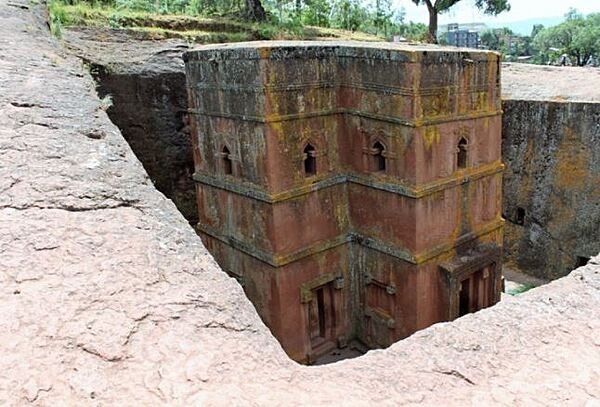
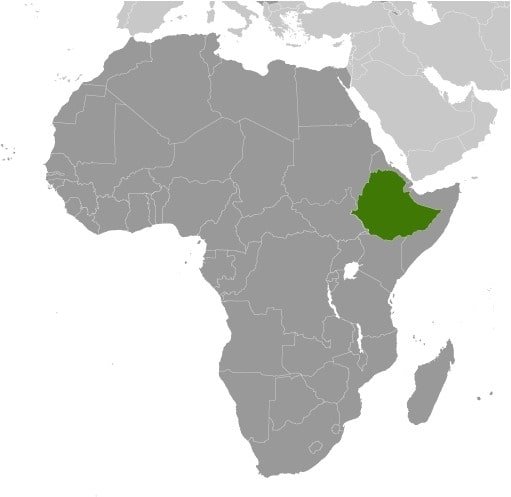
EthiopiaNestled in the heart of the Horn of Africa, Ethiopia calls out to adventurous souls with its rich tapestry of cultures, awe-inspiring highlands, and ancient history that echoes through its breathtaking landscapes; from the majestic peaks of the Simien Mountains to the hauntingly beautiful rock-hewn churches of Lalibela, each corner of this extraordinary country reveals a story as unique as its people, encouraging travelers to explore vibrant markets, partake in aromatic coffee rituals, and immerse themselves in diverse traditions that have thrived for millennia, making Ethiopia an unforgettable destination for those seeking both exploration and meaningful connection in an authentic African experience that captivates the spirit and ignites the imagination.



Comprehensive Travel Guide to Ethiopia
General Information
- Official Name: Federal Democratic Republic of Ethiopia
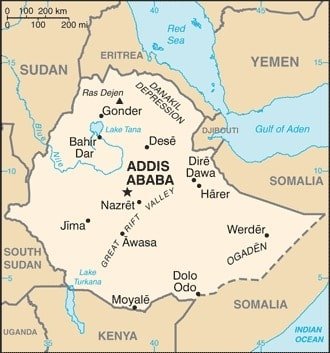
- Capital City: Addis Ababa
- Population: 118,550,298
- Currency: Ethiopian Birr (ETB)
- Time Zone: East Africa Time (EAT), UTC+3
- Official Language: Amharic (many regional languages spoken)
- Dialing Code: +251
- Driving Side: Right
Ethiopia, the cradle of humanity, is known for its ancient history, diverse cultures, and dramatic landscapes. From the iconic rock-hewn churches of Lalibela to the breathtaking Simien Mountains, Ethiopia offers an unforgettable travel experience.
Language and Communication
- Primary Languages: Amharic (national), Oromo, Tigrinya, Somali, and others.
- Useful Phrases in Amharic:
- Hello: Selam
- Thank you: Ameseginalew
- How are you?: Indemin neh? (to a man) / Indemin nesh? (to a woman)
Emergency Numbers
- General Emergency: 911
- Police: 991
- Ambulance: 907
- Fire: 939
Currency and Money
- Currency Notes: Ethiopian Birr (ETB).
- ATMs: Available in urban areas but not always reliable; carry cash for rural areas.
- Credit Cards: Limited acceptance; primarily in hotels and large establishments.
Electricity and Plugs
- Voltage: 220 V
- Frequency: 50 Hz
- Plug Types: Type C , F and Type G
- Adapter Needed: Yes, for non-European devices.
Safety and Health
Safety
- Crime: Low risk, but watch out for pickpocketing in crowded areas.
- Travel Tips: Avoid large gatherings and always secure your belongings.
Health
- Vaccinations: Yellow fever, typhoid, hepatitis A, and malaria prophylaxis are recommended.
- Water Safety: Stick to bottled or boiled water.
Transportation
Public Transport
- Taxis: Blue and white minibuses are common but may not follow fixed schedules.
- Ride-Hailing: Services like RIDE are available in Addis Ababa.
Driving
- Road Conditions: Major roads are good; rural roads may be challenging.
- Car Rentals: Available in Addis Ababa but often require a local driver.
Activities and Attractions
Historical Sites
- Lalibela: Renowned for its 12th-century rock-hewn churches, a UNESCO World Heritage Site.
- Axum: The ancient city known for its obelisks and connection to the Ark of the Covenant.
- Gondar: Famous for its medieval castles and the Debre Berhan Selassie Church.
Natural Wonders
- Simien Mountains National Park: A haven for hiking and home to endemic species like the gelada baboon.
- Danakil Depression: One of the hottest places on Earth, with otherworldly landscapes of salt flats and sulfur springs.
- Blue Nile Falls: A spectacular waterfall near Bahir Dar, known locally as "Tis Issat" or "Smoking Water."
Cultural Highlights
- Addis Ababa: Visit the National Museum, housing the remains of Lucy, and explore vibrant markets like Merkato.
- Harar Jugol: An ancient walled city with unique Islamic architecture and hyena feeding traditions.
Festivals
- Timkat (Epiphany): A vibrant celebration in January commemorating the baptism of Jesus Christ.
- Meskel: A September festival celebrating the discovery of the True Cross.
- Enkutatash: Ethiopian New Year, celebrated in September.
Food and Cuisine
Traditional Dishes
- Injera: A sourdough flatbread that serves as the base for most meals.
- Doro Wat: A spicy chicken stew served with injera.
- Tibs: Sautéed meat served with vegetables.
- Shiro: A chickpea or lentil stew, often eaten during fasting periods.
Dining Tips
- Ethiopian meals are communal; expect to share dishes.
- Tipping is customary, typically 10%.
Shopping and Souvenirs
- Traditional Items: Handwoven baskets, coffee, spices, and traditional clothing.
- Shopping Spots:
- Shiro Meda Market: Known for traditional Ethiopian textiles.
- Merkato: The largest open-air market in Africa, offering everything from spices to souvenirs.
Suggested Itineraries
5-Day Itinerary
- Day 1-2: Explore Addis Ababa, including the National Museum, Entoto Hills, and Merkato.
- Day 3: Visit Lalibela and its incredible rock-hewn churches.
- Day 4: Travel to Bahir Dar for a boat trip on Lake Tana and visit the Blue Nile Falls.
- Day 5: End in Gondar, exploring the royal castles and local culture.
10-Day Itinerary
- Day 1-2: Explore Addis Ababa and Lalibela.
- Day 3-4: Travel to Axum, visiting ancient obelisks and religious sites.
- Day 5-6: Discover Gondar and Simien Mountains National Park.
- Day 7-8: Explore Bahir Dar, Lake Tana monasteries, and Blue Nile Falls.
- Day 9-10: Visit Harar Jugol and experience its unique culture and history.
Best Time to Visit
- Dry Season (October-February): Ideal for trekking and sightseeing.
- Rainy Season (June-September): Lush landscapes, but some roads may be challenging.
Connectivity
- Wi-Fi: Available in hotels and restaurants in urban areas.
- SIM Cards: Easily obtainable from providers like Ethio Telecom.
Conclusion
Ethiopia offers a rich tapestry of history, culture, and natural beauty. From the ancient obelisks of Axum to the dramatic landscapes of the Simien Mountains, the country is a paradise for history buffs, nature enthusiasts, and adventurers alike. A journey to Ethiopia is not just a trip but an exploration of the very roots of human civilization.