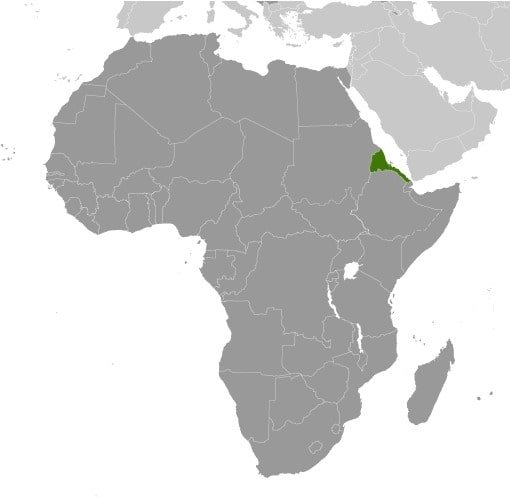
Comprehensive Travel Guide to Eritrea
General Information
- Capital City: Asmara
- Population: 6,343,956
- Currency: Eritrean Nakfa (ERN)
- Time Zone: East Africa Time (EAT), UTC+3
- Official Languages: Tigrinya, Arabic, English
- Dialing Code: +291
- Driving Side: Right
Eritrea, situated in the Horn of Africa, offers an intriguing blend of ancient history, stunning landscapes, and unique cultural traditions. Its Red Sea coastline, vibrant capital, and highland beauty make it an off-the-beaten-path destination.
Language and Communication
- Primary Languages: Tigrinya is widely spoken. Arabic and English are also common.
- Local Greetings:
- Hello: Selam (Tigrinya)
- Thank you: Yekenyeley (Tigrinya)
Emergency Numbers
- Police: 113
- Ambulance: 114
- Fire: 116
Currency and Money
- Currency Exchange: Available at banks and authorized exchange bureaus.
- ATMs: Limited; cash is preferred.
- Credit Cards: Rarely accepted; bring enough cash.
Electricity and Plugs
- Voltage: 230 V
- Frequency: 50 Hz
- Plug Types: Type C and L (European-style plugs).
- Adapter Needed: Yes, for non-European devices.
Safety and Health
Safety
- Crime: Eritrea is relatively safe, with low crime rates. Exercise caution in crowded areas.
- Travel Advisory: Stay updated on current travel advisories and regional restrictions.
Health
- Vaccinations: Routine vaccinations, typhoid, and hepatitis A are recommended.
- Malaria Risk: Present in lowland areas; prophylaxis is advised.
- Water Safety: Drink bottled or boiled water.
Transportation
Public Transport
- Taxis: Available in cities; shared taxis are common.
- Buses: Inexpensive but slow and crowded.
- Cycling: Popular in Asmara due to its compact size and mild climate.
Driving
- Road Conditions: Paved in urban areas; rural roads can be rough.
- Car Rentals: Available but costly. Local drivers are recommended.
Activities and Attractions
Urban Highlights
- Asmara:
- Marvel at Art Deco Architecture, including the iconic Fiat Tagliero Building.
- Visit Cathedral of Asmara, a Romanesque church.
- Explore Cinemas Imperio and Roma, which showcase Italian-era charm.
Historical Sites
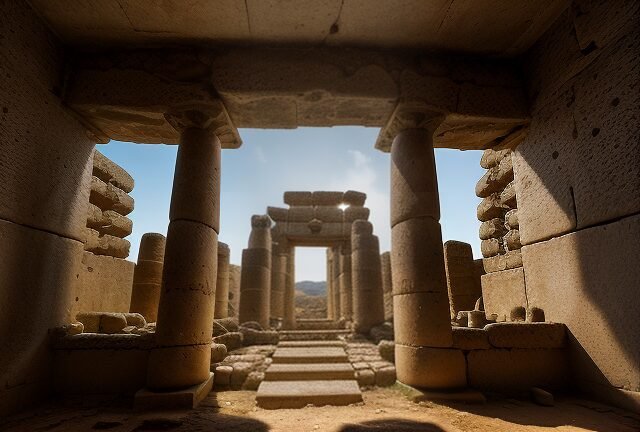
- Qohaito Ruins: Ancient Aksumite archaeological site.
- Adulis Archaeological Site: Ruins of a major ancient port city near the Red Sea.
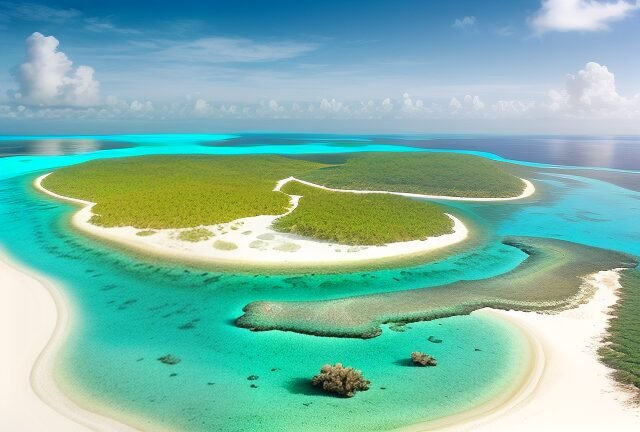
- Dahlak Archipelago: A cluster of islands offering pristine beaches and diving opportunities.
Natural Wonders
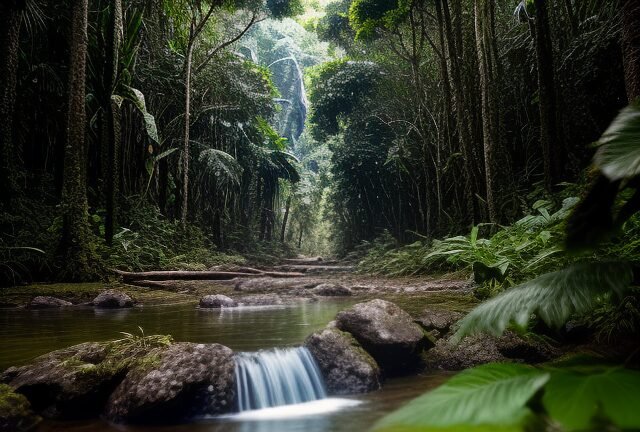
- Semienawi Bahri National Park: Dense forests, rare wildlife, and scenic trails.
- Dankalia Region: A surreal volcanic landscape with salt flats and hot springs.
- Massawa: Relax on the Red Sea beaches and explore the port city's Ottoman-era architecture.
Food and Cuisine
Traditional Dishes
- Injera with Tsebhi: Spongy flatbread served with stews.
- Shiro: A flavorful chickpea or lentil dish.
- Kicha Fitfit: Flatbread mixed with spicy sauce.
Dining Tips
- Meals are often shared, and eating with your hands is customary.
- Tipping is appreciated but not mandatory.
Shopping and Souvenirs
- Local Crafts: Handwoven baskets, pottery, and traditional Eritrean clothing.
- Coffee and Spices: Freshly roasted coffee beans and aromatic spices.
- Jewelry: Silver and gold pieces crafted in traditional styles.
Festivals and Events
- Independence Day (May 24): Parades, music, and cultural celebrations nationwide.
- Eritrean Orthodox Festivals: Including Timket (Epiphany) and Meskel (Finding of the True Cross).
Suggested Itineraries
3-Day Itinerary
- Day 1: Explore Asmara’s architectural highlights and museums.
- Day 2: Visit Massawa for Red Sea beaches and historical sites.
- Day 3: Take a day trip to the Qohaito Ruins.
7-Day Itinerary
- Day 1-2: Immerse yourself in Asmara’s culture and cuisine.
- Day 3-4: Relax on the beaches of the Dahlak Archipelago.
- Day 5-6: Explore the Qohaito Ruins and Semienawi Bahri National Park.
- Day 7: Return to Asmara and enjoy local markets.
Best Time to Visit
- Highlands: October to February, with mild and dry weather.
- Coastal Areas: November to April, with pleasant beach conditions.
Connectivity
- Wi-Fi: Limited and slow in most areas.
- SIM Cards: Purchase from EriTel for local connectivity.
Conclusion
Eritrea is a destination that offers a rich tapestry of history, culture, and natural beauty. Its blend of Italian-era architecture, ancient ruins, and breathtaking landscapes makes it a unique experience for adventurous travelers. Proper preparation, including health precautions and planning for limited infrastructure, ensures a memorable visit to this captivating nation.