Comprehensive Travel Guide to Equatorial Guinea
General Information
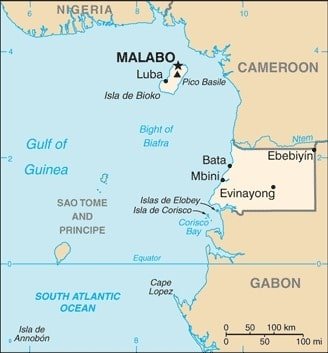
- Capital City: Malabo (on Bioko Island)
- Largest City: Bata (on the mainland)
- Population: 1,795,834
- Currency: Central African CFA Franc (XAF)
- Time Zone: West Africa Time (WAT), UTC+1
- Official Languages: Spanish, French, Portuguese
- Dialing Code: +240
- Driving Side: Right
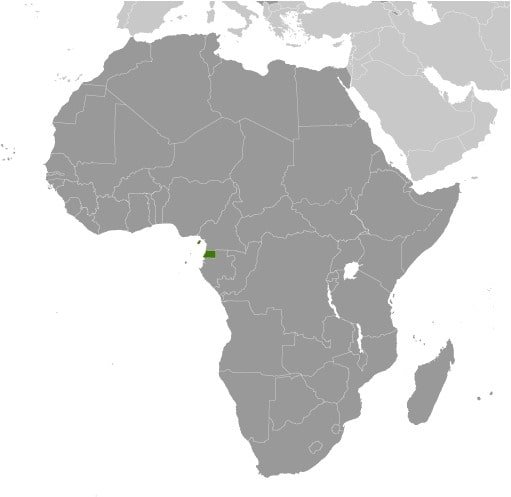
Equatorial Guinea, located on the west coast of Central Africa, is renowned for its natural beauty, including pristine beaches, lush rainforests, and volcanic landscapes. It’s also one of Africa's few Spanish-speaking nations, offering a unique cultural experience.
Language and Communication
- Primary Language: Spanish (widely spoken).
- French and Portuguese: Used in official contexts.
- English: Limited usage; knowledge of basic Spanish phrases is helpful.
Useful Phrases
- Hello: Hola
- Thank you: Gracias
- Where is…?: ¿Dónde está…?
- How much does it cost?: ¿Cuánto cuesta?
Emergency Numbers
- General Emergency: 112
- Police: 114
- Ambulance: 112
Currency and Money
- Credit Cards: Accepted in major cities and upscale hotels, but cash is preferred in rural areas.
- ATMs: Limited availability; primarily found in Malabo and Bata.
- Currency Exchange: Exchange facilities are available at banks and major hotels.
Electricity and Plugs
- Voltage: 220 V
- Frequency: 50 Hz
- Plug Types: Type C and E (European-style plugs).
- Adapter Needed: Yes, if your device uses a different plug type.
Safety and Health
Safety
- Crime: Low overall, but petty theft can occur, especially in urban areas.
- Travel Advisory: Always check current advisories before traveling.
Health
- Healthcare: Limited facilities; ensure you have travel insurance.
- Vaccinations: Yellow fever vaccination is required. Malaria prophylaxis is recommended.
- Water: Drink bottled or boiled water only.
Transportation
Public Transport
- Taxis: Widely available in cities, but negotiate fares beforehand.
- Buses: Informal minibusses connect towns but may be unreliable.
Driving
- Road Conditions: Vary; main roads are paved, but rural roads can be challenging.
- Car Rentals: Available in cities, but local drivers are recommended due to complex traffic patterns.
Activities and Attractions
Urban Highlights
- Malabo:
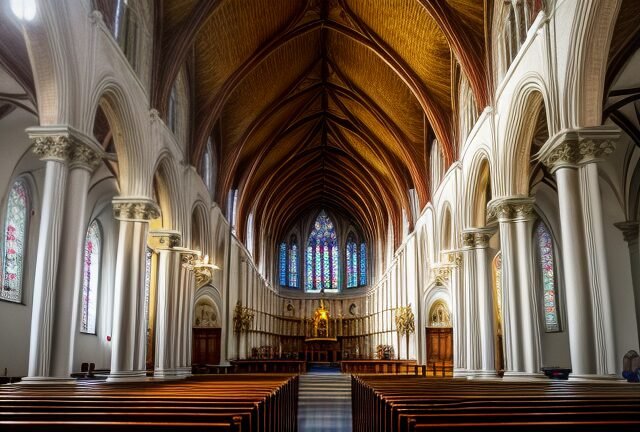
- Visit the Malabo Cathedral, a neo-Gothic masterpiece.
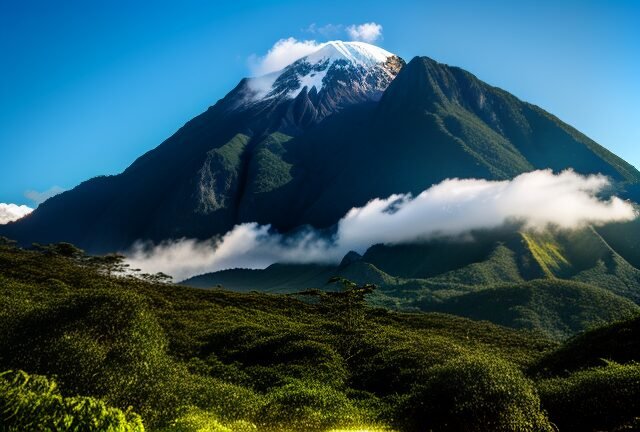
- Explore Pico Basilé, the highest peak, offering panoramic views.
- Stroll through Plaza de España for a taste of local life.
- Bata:
- Enjoy the lively markets and waterfront areas.
Nature and Outdoor Adventures
- Monte Alen National Park: Spot gorillas, chimpanzees, and rare bird species in this dense rainforest.
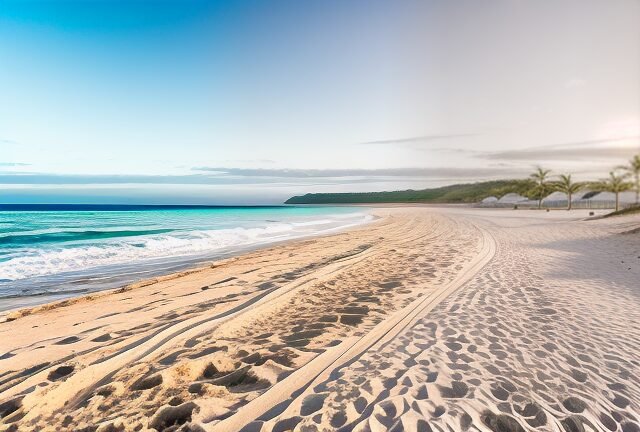
- Bioko Island: Pristine beaches, volcanic landscapes, and nesting sea turtles at Ureka Beach.
- Annobón Island: A remote paradise with lagoons and untouched nature.
Food and Cuisine
Traditional Dishes
- Succotash: A dish made with maize, beans, and meat or fish.
- Pepper Soup: A spicy soup commonly served with fish or chicken.
- Cassava and Plantains: Staples often served as sides.
Dining Tips
- Street food is common but ensure it’s cooked fresh.
- Tipping is appreciated but not mandatory.
Shopping and Souvenirs
- Local Crafts: Hand-carved wooden masks and statues.
- Textiles: Brightly patterned African fabrics.
- Coffee and Cocoa: Locally grown and of excellent quality.
Festivals and Events
- Independence Day (October 12): Parades, music, and cultural displays across the country.
- Annobón Festival: A celebration of the unique culture of Annobón Island.
Suggested Itineraries
3-Day Itinerary
- Day 1: Explore Malabo’s Cathedral, market, and Plaza de España.
- Day 2: Hike Pico Basilé for stunning views.
- Day 3: Visit Ureka Beach for sea turtle nesting and relaxation.
7-Day Itinerary
- Day 1-2: Malabo city tour and nearby attractions.
- Day 3-4: Explore Monte Alen National Park for wildlife and trekking.
- Day 5-6: Relax on Bioko Island’s beaches and visit Annobón Island.
- Day 7: Return to Bata for a market visit and local dining.
Best Time to Visit
- Dry Season: November to March is ideal for outdoor activities and wildlife spotting.
- Rainy Season: April to October sees heavy rains but lush landscapes.
Connectivity
- Wi-Fi: Limited to major hotels and some cafes in urban areas.
- SIM Cards: Purchase prepaid SIMs from Orange or GETESA for local calls and data.
Conclusion
Equatorial Guinea is a hidden gem with its unspoiled nature, rich culture, and warm hospitality. Whether trekking through dense rainforests, relaxing on pristine beaches, or immersing yourself in the unique blend of African and Spanish cultures, this country offers an unforgettable experience for intrepid travelers. Proper planning, including vaccinations and travel insurance, will ensure a safe and enjoyable journey.