Central America and the Caribbean
El SalvadorEl Salvador, the gem of Central America, greets you with its stunning beaches, vibrant culture, and breathtaking landscapes that offer countless adventures waiting to be discovered. From the volcanic scenery of Cerro Verde National Park to the picturesque coastal towns of El Tunco and La Libertad, this country is a paradise for surfers and nature lovers alike. Wander through charming cities like Santa Ana and Suchitoto, where colonial architecture and rich history mingle in colorful streets. With an inviting atmosphere and warm local hospitality, El Salvador invites women travelers to explore its unique heritage, indulge in delicious pupusas, and engage with its spirited communities, making every visit a cherished memory.


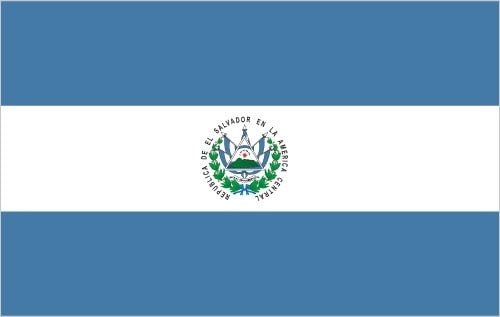
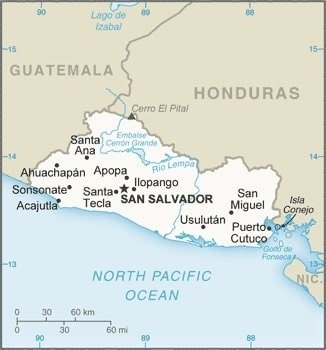

Comprehensive Travel Guide to El Salvador
General Information
- Capital City: San Salvador
- Population: 6,628,702
- Currency: United States Dollar (USD)
- Time Zone: Central Standard Time (CST), UTC−6
- Official Language: Spanish
- Dialing Code: +503
- Driving Side: Right
El Salvador, the smallest country in Central America, is renowned for its stunning volcanic landscapes, beautiful beaches along the Pacific coast, vibrant culture, and warm, hospitable people. It offers a mix of adventure, relaxation, and cultural exploration.
Language and Communication
- Primary Language: Spanish
- English Proficiency: Limited but commonly spoken in tourist areas.
- Helpful Phrases:
- Hello: Hola
- Thank you: Gracias
- Please: Por favor
- Excuse me: Perdón
- How much does it cost?: ¿Cuánto cuesta?
It’s helpful to know basic Spanish phrases, but translation apps like Google Translate can assist as well.
Emergency Numbers
- Police: 911
- Ambulance: 132
- Fire: 913
Currency and Money
- Currency Used: USD
- Credit Cards: Widely accepted in urban areas and tourist destinations.
- ATMs: Readily available in major cities and towns.
- Tipping: Not mandatory but appreciated (10% in restaurants).
Carry small denominations of USD for rural areas or small vendors that may not accept cards.
Electricity and Plugs
- Voltage: 120 V
- Frequency: 60 Hz
- Plug Types: Type A and B (same as in the US and Canada).
- Adapter Needed: Only if your country uses a different plug type.
Safety and Health
- Safety Tips:
- Be cautious in crowded areas to avoid pickpocketing.
- Avoid displaying expensive belongings openly.
- Use official taxis or ride-hailing apps like Uber.
- Healthcare:
- Public healthcare services are basic; private clinics are recommended for visitors.
- Ensure you have comprehensive travel insurance.
- Vaccinations: Routine vaccinations are sufficient. Check with your doctor for specific travel-related advice.
- Water Safety: Stick to bottled or boiled water.
Transportation
- Public Transport:
- Buses: Inexpensive and widely used but can be crowded.
- Shuttles: A safer option for tourists to travel between major destinations.
- Taxis and Ride-Hailing:
- Use registered taxis or apps like Uber for safer rides.
- Driving:
- Roads in major cities are well-maintained, but rural roads may be challenging.
- Renting a car is an excellent option for exploring the country.
Activities and Attractions
Urban Highlights
- San Salvador:
- Explore the National Palace and Metropolitan Cathedral.
- Visit the Joya de Cerén, a UNESCO World Heritage site known as the "Pompeii of the Americas."
- Enjoy shopping and dining at Multiplaza Mall or El Paseo El Carmen.
Beaches and Surfing
- El Tunco: A surfer’s paradise with a vibrant nightlife.
- Playa El Zonte: Known for its laid-back vibe and excellent surf conditions.
- Costa del Sol: A family-friendly beach perfect for relaxation.
Nature and Outdoor Adventures
- El Boquerón National Park: Hike to the edge of a volcanic crater near San Salvador.
- Ruta de las Flores: A scenic route through charming towns and coffee plantations.
- Santa Ana Volcano: Hike to the summit for breathtaking views of the surrounding landscapes.
Food and Cuisine
Must-Try Dishes
- Pupusas: Thick corn tortillas stuffed with cheese, beans, or pork.
- Yuca Frita: Fried cassava served with pork or curtido (pickled cabbage).
- Sopa de Gallina India: Traditional chicken soup.
- Empanadas de Leche: Sweet fried plantain pastries filled with milk custard.
Dining Tips
- Tipping: Leave 10-15% for good service.
- Street food is safe in most tourist areas, but choose vendors with high turnover for freshness.
Shopping and Souvenirs
- Handmade Textiles: Traditional weavings and embroidered fabrics.
- Ceramics: Colorful pottery from Ilobasco.
- Coffee: El Salvador’s coffee is world-renowned; pick up some beans as a souvenir.
- Pupusa-Related Items: Unique memorabilia inspired by the iconic dish.
Festivals and Events
- Holy Week (Semana Santa): Celebrated with vibrant processions and religious events.
- August Festival (Fiestas Agostinas): A weeklong celebration in San Salvador honoring the city’s patron saint.
- Independence Day (September 15): Parades, music, and fireworks across the country.
Suggested Itineraries
3-Day Itinerary
- Day 1: Explore San Salvador (National Palace, Joya de Cerén, El Boquerón National Park).
- Day 2: Relax at El Tunco or El Zonte beach.
- Day 3: Take a day trip along the Ruta de las Flores.
7-Day Itinerary
- Day 1-2: Explore San Salvador and hike El Boquerón.
- Day 3: Visit Joya de Cerén and Santa Ana Volcano.
- Day 4-5: Relax and surf at Playa El Tunco and nearby beaches.
- Day 6: Explore Ruta de las Flores and its coffee towns.
- Day 7: Visit Suchitoto, a charming colonial town known for its arts and crafts.
Best Time to Visit
- Dry Season (November to April): Ideal for outdoor activities and beach vacations.
- Rainy Season (May to October): Lush landscapes, but heavy rains can occur in the afternoons.
Connectivity
- Wi-Fi: Widely available in urban areas and hotels.
- SIM Cards: Purchase prepaid SIMs from companies like Claro or Tigo for mobile data.
- Useful Apps:
- Google Maps
- Uber
- Duolingo for brushing up on Spanish.
Conclusion
El Salvador is a captivating destination packed with natural beauty, rich history, and welcoming people. Whether you’re hiking volcanic trails, surfing on world-class waves, or savoring authentic pupusas, the country offers unforgettable experiences for every type of traveler. With its growing focus on safety and tourism infrastructure, now is the perfect time to discover this Central American gem.