Comprehensive Travel Guide to Cuba
General Information
- Capital City: Havana
- Population: 10,966,038
- Currency: Cuban Peso (CUP)
- Time Zone: Cuba Standard Time (UTC -5)
- Official Language: Spanish
- Dialing Code: +53
- Driving Side: Right
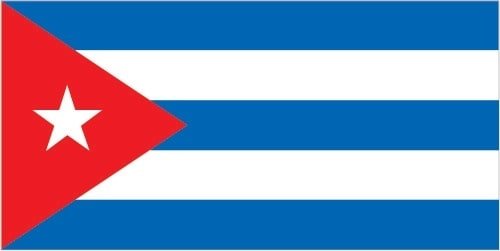
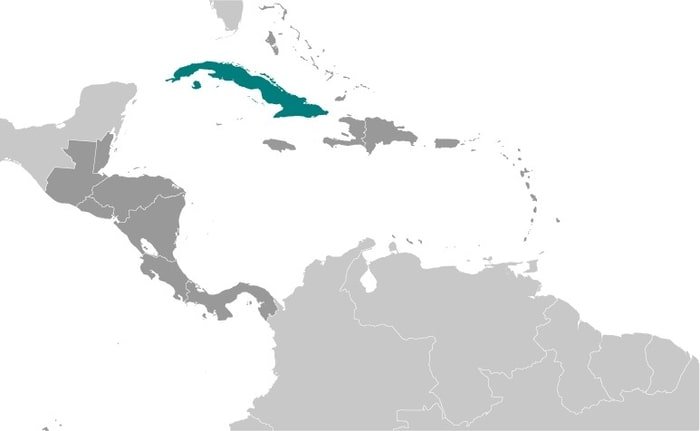
Cuba, the largest island in the Caribbean, is a fascinating blend of vibrant culture, historic landmarks, stunning beaches, and lush countryside. Known for its music, vintage cars, and rich history, Cuba offers travelers a unique experience.
Language and Communication
- Primary Language: Spanish
- English Proficiency: Limited, but common in tourist areas.
- Helpful Phrases:
- Hola (Hello)
- Gracias (Thank you)
- ¿Dónde está...? (Where is...?)
- No entiendo (I don’t understand)
- Tips: Learning basic Spanish phrases can enhance your experience.
Emergency Numbers
- General Emergency: 106
- Police: 106
- Fire: 105
- Ambulance: 104
Currency and Money
- Currency: Cuban Peso (CUP)
- Credit Cards: Limited acceptance. U.S.-issued cards typically not accepted.
- ATMs: Available but limited; bring cash in euros or Canadian dollars to exchange.
- Tips:
- Exchange money at official exchange houses (CADECA) or banks.
- Keep smaller denominations for tips and small purchases.
Electricity and Plugs
- Voltage: 110V and 220V
- Frequency: 60 Hz
- Plug Types: Type A, B, C, and L
- Adapter Needed: Yes, depending on your country of origin.
Safety and Health
Safety
- Crime: Cuba is relatively safe; petty theft can occur in crowded areas.
- Travel Tip: Avoid unlicensed taxis and stay vigilant in tourist areas.
Health
- Healthcare: Adequate in urban areas; bring any necessary medications.
- Vaccinations: Routine vaccinations are recommended.
- Water: Drink bottled or boiled water to avoid waterborne illnesses.
Transportation
Public Transport
- Buses: Inter-city buses operated by Viazul are reliable for tourists.
- Taxis: Classic cars and modern taxis are available; negotiate fares beforehand.
- Coco Taxis: Three-wheeled motorized taxis are fun for short rides.
Car Rentals
- Availability: Limited; book well in advance.
- Tips: Roads can be poorly marked, so use offline maps or GPS.
Cycling
- Popular Routes: Coastal and rural areas are ideal for cycling.
Activities and Attractions
Urban Highlights
- Havana:
- Stroll through Old Havana (La Habana Vieja), a UNESCO World Heritage site.
- Visit the iconic Malecón, a waterfront promenade.
- Explore the Museo de la Revolución and El Capitolio.
- Trinidad:
- Known for its cobblestone streets and colonial-era architecture.
- Discover the Valle de los Ingenios for a glimpse into Cuba’s sugar production history.
- Santiago de Cuba:
- Visit the Castillo del Morro and experience Afro-Cuban music.
Nature and Beaches
- Varadero: Famous for pristine beaches and crystal-clear waters.
- Viñales Valley: A picturesque area known for tobacco farms and limestone hills.
- Cayo Coco and Cayo Santa María: Stunning islets with white sand beaches.
- Sierra Maestra: Ideal for hiking and exploring revolutionary history.
Food and Cuisine
Traditional Dishes
- Ropa Vieja: Shredded beef in tomato sauce, a Cuban staple.
- Moros y Cristianos: Black beans and rice.
- Lechón Asado: Roasted pork, often served during celebrations.
- Tostones: Fried plantains.
- Cuban Sandwich: Ham, roast pork, cheese, pickles, and mustard on Cuban bread.
Dining Tips
- Tipping is customary (5-10%).
- Many restaurants, called paladares, are family-run establishments.
Shopping and Souvenirs
- Cigars: Renowned Cuban cigars are a must-buy for enthusiasts.
- Rum: Havana Club and other Cuban rums are world-famous.
- Art: Handcrafted paintings and sculptures.
- Music: CDs or vinyl records of traditional Cuban music.
Festivals and Events
- Havana Carnival (July-August): A lively celebration with parades and music.
- Santiago de Cuba Carnival (July): Known for Afro-Cuban traditions and vibrant performances.
- Havana Jazz Festival (January): A must for jazz lovers.
- New Year’s Eve (December 31): Celebrated with music, dancing, and family feasts.
Suggested Itineraries
3-Day Itinerary
- Day 1: Explore Old Havana, visit the Malecón, and enjoy a mojito at La Bodeguita del Medio.
- Day 2: Day trip to Viñales Valley for tobacco farm tours and stunning views.
- Day 3: Relax on the beaches of Varadero.
7-Day Itinerary
- Day 1-2: Havana highlights, including museums and live music.
- Day 3: Day trip to Viñales Valley.
- Day 4-5: Explore Trinidad, including Playa Ancón and local markets.
- Day 6: Visit Cienfuegos, the "Pearl of the South."
- Day 7: Relax on a beach in Varadero or Cayo Santa María.
14-Day Itinerary
- Days 1-3: Immerse yourself in Havana’s culture and nightlife.
- Days 4-5: Discover the Viñales Valley.
- Days 6-8: Travel to Trinidad and nearby beaches.
- Days 9-10: Explore Cienfuegos and Santa Clara (visit Che Guevara’s Mausoleum).
- Days 11-12: Experience Santiago de Cuba’s vibrant music scene.
- Days 13-14: Relax on a secluded beach in Cayo Coco.
Best Time to Visit
- Dry Season (November-April): Ideal for exploring and beach activities.
- Wet Season (May-October): Expect rain and occasional hurricanes.
Connectivity
- Wi-Fi: Limited and often requires prepaid cards.
- SIM Cards: Available but expensive for short-term use.
- Apps to Download:
- Maps.me (offline maps)
- Google Translate
- ETECSA Nauta (for internet access)
Conclusion
Cuba offers a mesmerizing mix of culture, history, and natural beauty. From Havana’s vibrant streets to the tranquil beaches of Cayo Coco, the island is a treasure trove of experiences. While the lack of modern conveniences may be challenging at times, the warm hospitality, rich traditions, and unique charm of Cuba make it an unforgettable destination.