Comprehensive Travel Guide to Côte d'Ivoire
(Ivory Coast)
General Information
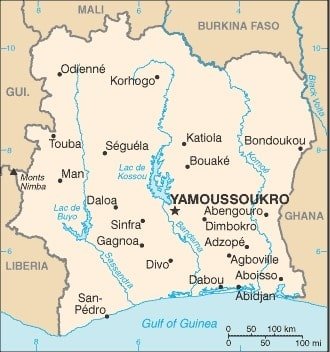
- Capital City: Yamoussoukro (Administrative), Abidjan (Economic)
- Population: 29,981,758
- Currency: West African CFA Franc (XOF)
- Time Zone: GMT (No daylight saving time)
- Official Language: French
- Dialing Code: +225
- Driving Side: Right
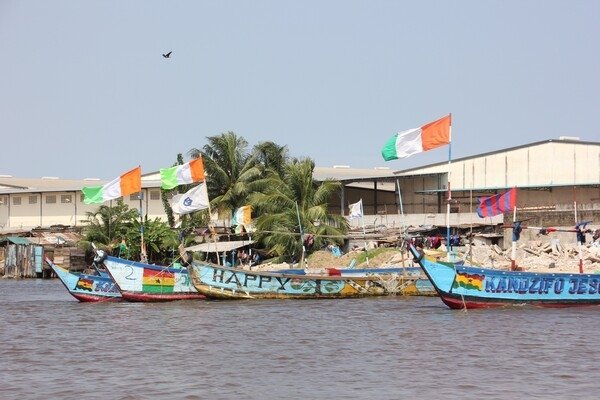
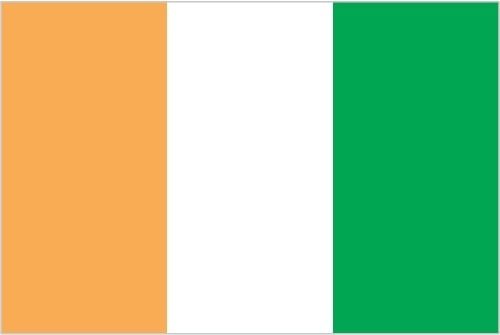
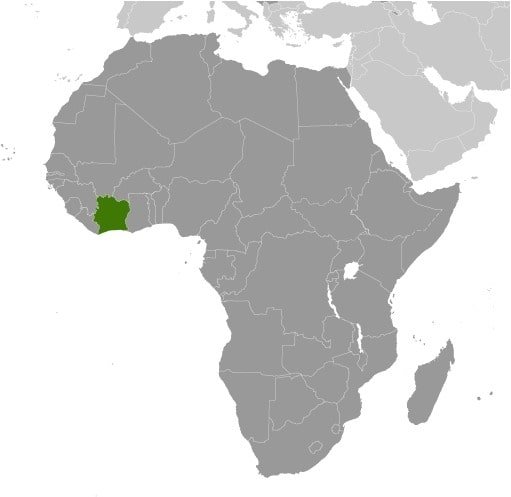
Côte d'Ivoire, also known as Ivory Coast, is a West African gem renowned for its vibrant culture, tropical landscapes, and rich historical legacy. With bustling cities, serene beaches, and lush forests, it offers a blend of modernity and tradition.
Language and Communication
- Primary Language: French
- Other Languages: Local languages such as Baoulé, Dioula, and Senufo are widely spoken.
- Helpful Phrases:
- Bonjour (Hello)
- Merci (Thank you)
- Où est…? (Where is…?)
- Combien ça coûte ? (How much does it cost?)
- Translation Apps: Google Translate can be handy for communication.
Emergency Numbers
- General Emergency: 112
- Police: 111
- Fire Brigade: 180
- Ambulance: 185
Currency and Money
- Currency Notes: XOF is shared with several West African countries.
- ATMs: Widely available in cities; credit cards like Visa and MasterCard are accepted in urban areas.
- Currency Exchange: Exchange services are available at airports, banks, and authorized exchange offices.
- Tipping: Optional but appreciated (5-10% in restaurants).
Electricity and Plugs
- Voltage: 220 V
- Frequency: 50 Hz
- Plug Types: Type C and Type E
- Adapter Needed: Yes, if your country uses a different plug type.
Safety and Health
Safety
- Urban Safety: Stay vigilant against petty crimes like pickpocketing, especially in busy areas.
- Travel: Exercise caution in remote areas and check for travel advisories.
Health
- Vaccinations: Yellow fever vaccination is mandatory. Other recommended vaccines include Hepatitis A, Typhoid, and Malaria prophylaxis.
- Water: Stick to bottled or boiled water to avoid waterborne diseases.
- Healthcare: Hospitals are available in major cities like Abidjan, but rural areas may lack facilities.
Transportation
Public Transport
- Taxis: Widely available in cities; negotiate fares before boarding.
- Minibuses (Gbakas): An affordable option for short distances but often crowded.
- Buses: Reliable intercity options are available from companies like UTB and STIF.
Driving
- Roads in urban areas are well-maintained, but rural roads may be rough.
- Renting a car is possible, but a 4x4 is recommended for exploring off-the-beaten-path destinations.
Air Travel
- Domestic flights connect major cities like Abidjan, Bouaké, and San Pedro.
Activities and Attractions
Urban Highlights
- Abidjan: Explore the Plateau district, St. Paul’s Cathedral, and the bustling markets of Treichville.
- Yamoussoukro: Visit the Basilica of Our Lady of Peace, one of the world’s largest churches.
Nature and Outdoor Adventures
- Taï National Park: A UNESCO World Heritage site, home to chimpanzees and lush rainforests.
- Banco National Park: Located near Abidjan, it offers hiking trails and diverse flora and fauna.
- Beaches: Assinie and Grand-Bassam are popular for their golden sands and laid-back vibes.
Cultural Experiences
- Man: Discover the "City of 18 Mountains," famous for its masks and waterfalls.
- Korhogo: Immerse yourself in the Senoufo culture, known for traditional crafts and dances.
Food and Cuisine
Must-Try Dishes
- Attiéké: A dish made from cassava, often served with grilled fish or chicken.
- Kedjenou: A slow-cooked stew of chicken or fish with vegetables.
- Aloco: Fried plantains served with spicy sauce and fish.
- Fufu: A starchy side made from pounded yam or cassava.
Dining Tips
- Street food is popular and safe at reputable stalls.
- Tipping is appreciated but not mandatory in local eateries.
Shopping and Souvenirs
- Local Crafts: Intricately carved wooden masks and statues.
- Textiles: Brightly colored Kente and batik fabrics.
- Cocoa Products: Côte d'Ivoire is a leading cocoa producer; chocolates make great gifts.
- Beads and Jewelry: Handmade accessories from local markets.
Festivals and Events
- Fête des Masques (Festival of Masks): Celebrated in villages like Man, showcasing traditional masks and dances.
- Abissa Festival: A cultural celebration of the N’zima people with music, dance, and storytelling.
- Easter Monday in Bouaké: Known for traditional parades and performances.
Suggested Itineraries
3-Day Itinerary
- Day 1: Explore Abidjan’s Plateau district, Banco National Park, and local markets.
- Day 2: Visit Yamoussoukro and marvel at the Basilica of Our Lady of Peace.
- Day 3: Relax at Grand-Bassam beach and explore its colonial architecture.
7-Day Itinerary
- Day 1-2: Abidjan highlights and a day trip to Banco National Park.
- Day 3-4: Travel to Yamoussoukro and explore the Basilica and surroundings.
- Day 5: Head to Man for waterfalls and cultural experiences.
- Day 6: Visit Taï National Park for wildlife adventures.
- Day 7: Unwind at Assinie beach.
Best Time to Visit
- Dry Season (November to March): Ideal for outdoor activities and wildlife spotting.
- Rainy Season (April to October): Lush landscapes, but some areas may be less accessible.
Connectivity
- Wi-Fi: Available in urban areas and most hotels.
- SIM Cards: Purchase a local SIM from providers like Orange or MTN for mobile data.
- Apps to Download:
- Google Maps
- Translate
- Local taxi apps like Yango
Conclusion
Côte d'Ivoire is a land of contrasts, offering a rich tapestry of experiences from bustling cities to serene natural landscapes. Its vibrant culture, delicious cuisine, and warm hospitality make it a must-visit destination. Whether you’re exploring the urban sophistication of Abidjan, the spiritual serenity of Yamoussoukro, or the natural wonders of Taï National Park, Côte d'Ivoire promises an unforgettable adventure.