Comprehensive Travel Guide to Coral Sea Islands
General Information
- Capital: Administered remotely from Canberra, Australia
- Population: Uninhabited, except for a small meteorological staff
- Currency: Australian Dollar (AUD)
- Time Zone: Australian Eastern Standard Time (AEST) (UTC+10)
- Official Language: English
- Dialing Code: +61 (shared with Australia)
- Driving Side: None (no vehicular traffic)
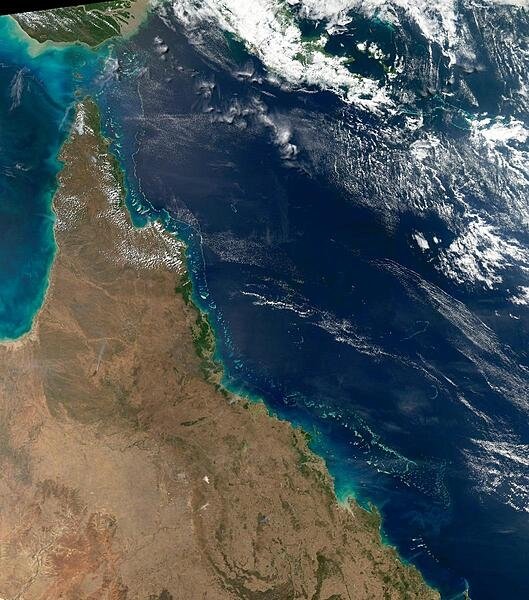
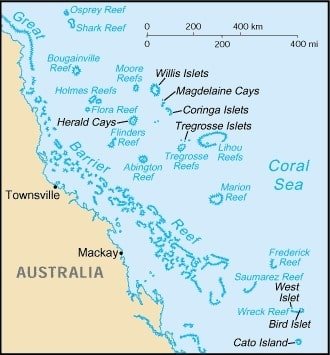
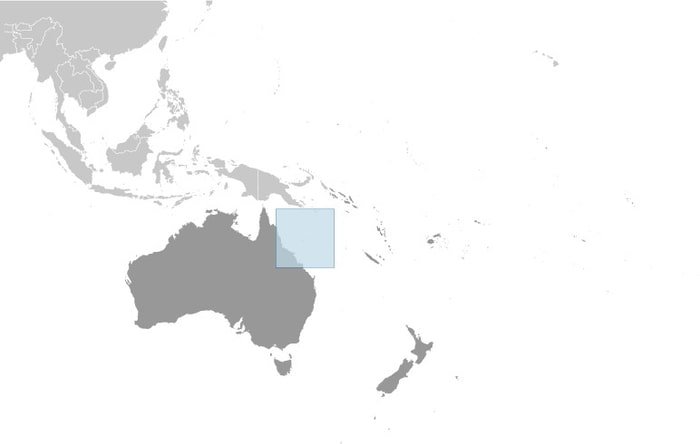
The Coral Sea Islands are a group of small, scattered islands and reefs in the Coral Sea, northeast of Queensland, Australia. Renowned for their natural beauty, the islands are largely designated as a marine national park, offering unspoiled habitats and an abundance of marine life.
Language and Communication
- English is the official language, but direct communication with the islands is not applicable since they are uninhabited.
Emergency Numbers
Emergency response services are managed by Australian authorities. Dial 000 for emergencies when in Australian territory.
Currency and Money
- Currency: Australian Dollar (AUD)
- The islands have no financial facilities, shops, or ATMs due to their uninhabited status.
Electricity and Plugs
- Electricity: Not available; visitors need to rely on portable power sources like solar panels or batteries.
- Plugs: If staying on a yacht or expedition ship, Australian plug type (Type I) may be used.
Safety and Health
Safety
- Marine Hazards: Beware of jellyfish, sharks, and strong ocean currents.
- Weather: Sudden storms and cyclones are common between November and April.
Health
- There are no medical facilities on the islands. Visitors must carry their own first-aid supplies. Comprehensive travel insurance, including evacuation coverage, is essential.
Transportation
- Access: Only accessible by private boat, chartered yacht, or organized diving expeditions.
- Navigation: Knowledge of maritime navigation is critical due to the islands’ remoteness and lack of infrastructure.
Activities and Attractions
Marine National Park
The Coral Sea Islands are part of a protected marine park. Activities are focused on eco-tourism and marine conservation.
- Scuba Diving and Snorkeling: Explore vibrant coral reefs teeming with marine life, including sea turtles, reef sharks, and colorful fish.
- Birdwatching: The islands are significant nesting sites for seabirds like terns, boobies, and frigatebirds.
- Fishing: Only permitted in designated areas outside protected zones.
Key Islands and Reefs
- Willis Islets: Home to a meteorological station and abundant seabirds.
- Cato Island: A sandy cay offering pristine beaches and stunning underwater ecosystems.
- Osprey Reef: A renowned diving destination with steep walls and pelagic marine species.
Food and Cuisine
- No food facilities are available. Visitors must bring their own provisions.
- Be eco-conscious: avoid leaving waste and use reusable containers.
Shopping and Souvenirs
There are no shopping facilities on the islands. Eco-tourists often contribute to conservation efforts as a form of support.
Festivals and Events
No festivals or cultural events take place on the islands, but diving and eco-tourism tours occasionally celebrate World Oceans Day or other environmental milestones.
Suggested Itineraries
3-Day Itinerary
- Day 1: Arrive by chartered boat. Dive at Osprey Reef and snorkel around Willis Islets.
- Day 2: Explore nesting bird colonies on Cato Island and enjoy guided underwater photography.
- Day 3: Visit Holmes Reef for a final day of pristine coral exploration before departure.
7-Day Itinerary
- Day 1-2: Explore Osprey Reef and nearby underwater walls; focus on spotting pelagic species.
- Day 3-4: Snorkel and dive around the Willis Islets, observing seabirds and turtles.
- Day 5-6: Visit Cato Island and Holmes Reef for beachcombing and underwater caves.
- Day 7: Relax onboard your vessel, reflect on the biodiversity, and return to port.
Best Time to Visit
- Dry Season (May to October): Ideal for diving and snorkeling, with calmer seas and better visibility.
- Rainy Season (November to April): Avoid this period due to increased cyclone activity and rough seas.
Connectivity
- Wi-Fi and Internet: Not available on the islands. Satellite communication is necessary.
- Mobile Network: No coverage; satellite phones are essential.
Conclusion
The Coral Sea Islands offer a unique and unspoiled destination for adventurous travelers, divers, and marine enthusiasts. While access and facilities are limited, their ecological significance and stunning natural beauty make them a rare and valuable experience. With careful planning and respect for the environment, visitors can enjoy an unforgettable journey into one of the world’s most pristine marine ecosystems.