Africa
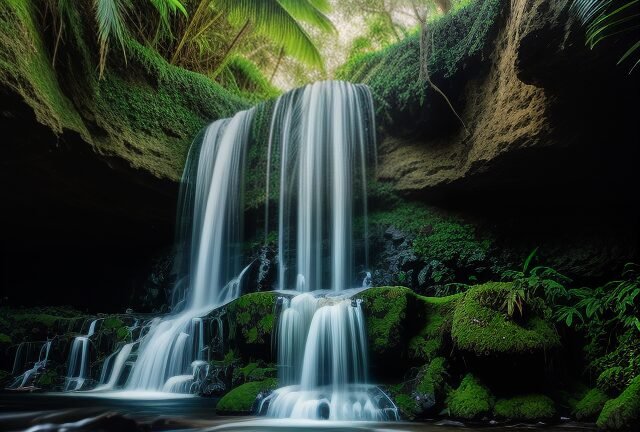
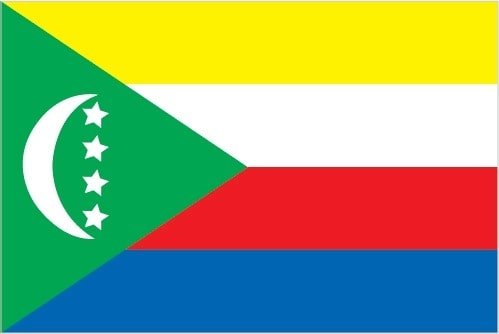
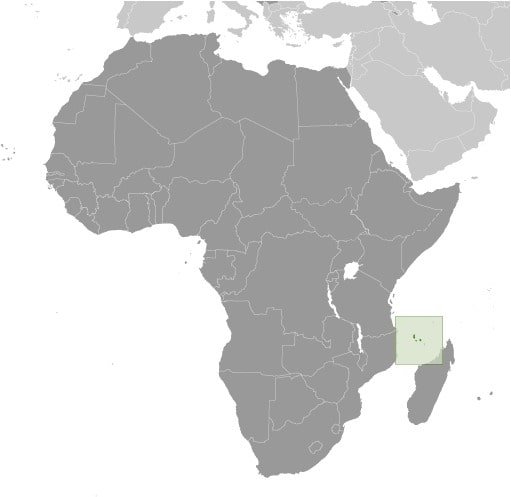
ComorosNestled in the shimmering waters of the Indian Ocean, Comoros is a hidden gem that beckons adventurous spirits with its lush landscapes, vibrant culture, and warm-hearted people. Imagine pristine beaches lined with fragrant ylang-ylang trees, where the fusion of African, Arab, and French influences creates a unique tapestry of music, cuisine, and traditions. As you explore the archipelago's volcanic islands, immerse yourself in the rhythm of daily life, from lively markets brimming with colorful spices to the tantalizing aromas of traditional dishes like langouste à la vanille. Whether you seek tranquility in secluded coves or a dive into the rich marine life that thrives in its coral reefs, Comoros offers an unforgettable escape where nature and culture intertwine, inviting you to forge deeper connections with this enchanting corner of Africa.



Comprehensive Travel Guide to Comoros
General Information
- Capital City: Moroni
- Population: 900,141
- Currency: Comorian Franc (KMF)
- Time Zone: East Africa Time (EAT), UTC+3
- Official Languages: Comorian (Shikomori), Arabic, French
- Dialing Code: +269
- Driving Side: Right
Comoros is a beautiful yet under-the-radar destination, made up of three main islands: Grande Comore (Ngazidja), Mohéli (Mwali), and Anjouan (Nzwani). Known for its stunning beaches, volcanic landscapes, and rich cultural heritage, this island nation offers a unique travel experience.
Language and Communication
- Languages Spoken:
- Comorian (Shikomori): The local dialect, influenced by Swahili and Arabic.
- Arabic: Reflects the Islamic heritage of the islands.
- French: A colonial legacy and the main language for administration and education.
Tips for Communication:
- Use basic French or Swahili phrases.
- Most locals are friendly and will attempt to help tourists despite language barriers.
- Translation apps can be a lifesaver in rural areas.
Travel Essentials
Emergency Numbers
- Police: 17
- Fire: 18
- Ambulance: 772 - 03 - 03
Currency Tips:
- ATMs are sparse and mostly found in Moroni.
- Euros and USD are often accepted for exchange, but ensure to carry Comorian Francs for local transactions.
Electricity and Plugs
- Voltage: 220-240V
- Frequency: 50 Hz
- Plug Types:
- Type C: Two round pins (Europlug).
- Type E: Two round pins with a hole for the grounding pin.
Tips for Travelers:
- Bring a universal travel adapter to accommodate plug types.
- Power outages may occur, especially in rural areas, so a portable charger or power bank is
Health Precautions:
- Carry a basic first-aid kit.
- Malaria prophylaxis is advised.
Weather Considerations:
- The dry season (May–November) is the most pleasant for visitors.
- The wet season (December–April) is humid, with occasional cyclones.
Top Attractions
- Moroni (Grande Comore):
- Old Friday Mosque: A symbol of Islamic architecture overlooking the Indian Ocean.
- Medina of Moroni: Explore winding alleys, bustling markets, and local craftsmanship.
- Mount Karthala: Trek this active volcano for panoramic views of the island.
- Mohéli (Mwali):
- Mohéli Marine Park: A haven for wildlife enthusiasts, featuring sea turtles, dolphins, and humpback whales.
- Nioumachoua Beach: Ideal for snorkeling and diving in crystal-clear waters.
- Anjouan (Nzwani):
- Lake Dziani Boundouni: A striking green crater lake surrounded by lush vegetation.
- Domoni: Explore this historic town known for its Arab and Persian influences.
- Chomoni Beach (Grande Comore):
- Known for white sands and turquoise waters, this is a perfect relaxation spot.
- Iconi Village (Grande Comore):
- Discover the village's rich history and stunning cliff views.
Activities and Experiences
- Volcano Trekking:
- The hike to Mount Karthala is challenging but rewarding, offering incredible views and a sense of adventure.
- Diving and Snorkeling:
- The islands boast coral reefs teeming with marine life. Mohéli Marine Park is a must-visit for water sports enthusiasts.
- Cultural Immersion:
- Attend local ceremonies to experience traditional music, dance, and storytelling.
- Wildlife Watching:
- Spot the endangered Livingstone’s fruit bats in Anjouan.
- Witness turtle nesting and hatching at Mohéli Marine Park.
- Ylang-Ylang Plantation Tours:
- Visit plantations on Grande Comore to learn about this aromatic export used in perfumes.
Cuisine and Local Food
Must-Try Dishes:
- Langouste à la Vanille: Lobster cooked with locally sourced vanilla.
- Pilaou: Spiced rice with meat or seafood, similar to biryani.
- Mkatra Foutra: Fried bread served with coconut milk.
- Cassava Leaves: Cooked with coconut milk and served as a side dish.
Dining Tips:
- Restaurants are concentrated in Moroni; rural areas rely on home-style cooking.
- Vegetarians may need to inquire about dish ingredients as meat and seafood are staples.
Suggested Itineraries
5-Day Itinerary
Day 1:
- Explore Moroni’s Medina, Old Friday Mosque, and local markets.
- Savor local cuisine at a waterfront restaurant.
Day 2:
- Hike Mount Karthala for incredible views of Grande Comore.
Day 3:
- Take a ferry to Mohéli and relax on Nioumachoua Beach.
- Join a boat tour of Mohéli Marine Park.
Day 4:
- Continue in Mohéli, visiting local villages and interacting with the community.
- Witness sea turtles at the Marine Park (seasonal).
Day 5:
- Return to Grande Comore for shopping at local markets.
- Enjoy a sunset dinner by Chomoni Beach.
7-Day Itinerary
Days 1-3: Same as the 5-day itinerary.
Day 4:
- Ferry to Anjouan; visit Domoni and Lake Dziani.
Day 5: - Explore Anjouan’s colonial architecture and local spice farms.
Day 6: - Return to Grande Comore; tour ylang-ylang plantations and Iconi Village.
Day 7: - Relax at Chomoni Beach or go snorkeling before departure.
Festivals and Cultural Events
- Mwali Turtle Festival: Celebrating marine conservation efforts.
- Eid Celebrations: Marked by feasts, prayers, and community gatherings.
- Independence Day (July 6): A vibrant display of patriotism through parades and cultural showcases.
Transportation Details
- Taxis: Widely available, but fares should be negotiated.
- Car Rentals: Possible in Moroni, though roads may be challenging in rural areas.
- Ferries: Connect the islands but may be infrequent; check schedules in advance.
- Air Travel: Small domestic flights link the islands for faster travel.
Shopping and Souvenirs
- Perfumes and Essential Oils: Ylang-ylang products.
- Local Crafts: Handmade baskets, mats, and jewelry.
- Spices: Vanilla, cloves, and nutmeg are popular.
Tip: Visit markets in Moroni for the best variety and deals.
Connectivity and Internet
- Wi-Fi: Available in hotels and select cafes in Moroni.
- Local SIM Cards: Affordable options from Comoros Telecom or Telma.
- Essential Apps:
- Google Translate or similar for language assistance.
- Maps.me for offline navigation.
Sustainable Travel Tips
- Respect local customs and dress modestly, especially in villages.
- Avoid single-use plastics and support local businesses.
- Participate in eco-friendly tours and marine conservation initiatives.
Conclusion
Comoros is a destination where unspoiled nature meets a rich cultural tapestry. From its pristine beaches and vibrant marine life to the welcoming spirit of its people, this island nation offers a unique and tranquil escape from the hustle and bustle of modern life. While the infrastructure might pose challenges, the reward is a genuinely authentic travel experience. Whether you’re exploring volcanic landscapes, relaxing on serene beaches, or immersing yourself in local traditions, Comoros promises memories that will last a lifetime.