South America
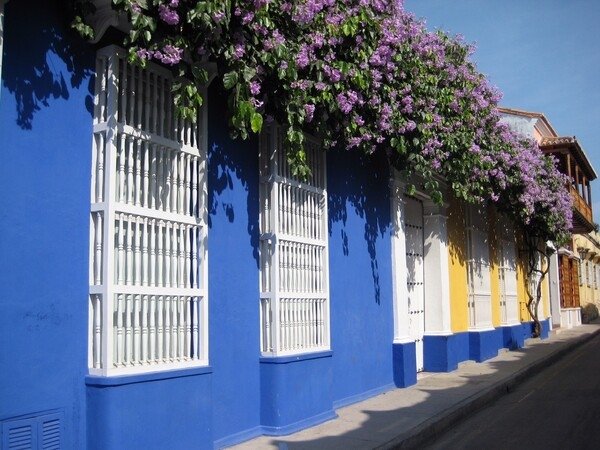
ColombiaColombia, a vibrant tapestry of culture and natural beauty, beckons adventurers and soul seekers with its lush landscapes, spirited music, and rich history. From the colorful streets of Cartagena where colonial charm meets Caribbean flair to the verdant coffee regions that cradle some of the world's finest brews, Colombia offers an enchanting escape that delights the senses. Explore the lush Amazon rainforest teeming with life, dance to the infectious rhythms of cumbia and vallenato, and savor exquisite dishes that reflect the country's diverse heritage. Whether you're trekking through the Andes or cascading down waterfalls in Parque Tayrona, Colombia is not just a destination, but a journey into a land where every moment is infused with warmth and passion, making it an unforgettable chapter in your travel story.
Comprehensive Travel Guide to Colombia
General Information
- Capital City: Bogotá
- Population: 49,588,357
- Currency: Colombian Peso (COP)
- Time Zone: UTC−5
- Official Language: Spanish
- Dialing Code: +57
- Driving Side: Right
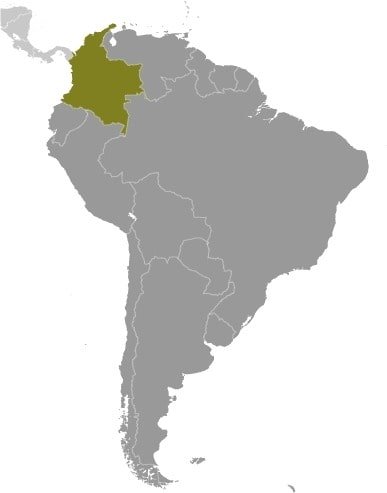
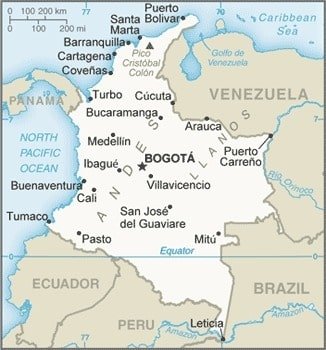
Colombia is a vibrant and diverse country located in the northern part of South America. Known for its stunning landscapes, rich history, and warm people, Colombia offers a mix of bustling cities, pristine beaches, lush rainforests, and towering Andean mountains.
Language and Communication
- Primary Language: Spanish
- Helpful Phrases:
- Hello: "Hola"
- Thank You: "Gracias"
- How much does it cost?: "¿Cuánto cuesta?"
English is spoken in major tourist areas and hotels, but knowing basic Spanish phrases will enhance your experience.
Emergency Information
- Emergency Services:
- Police: 112
- Ambulance: 125
- Fire: 119
- General emergency - 123
- Anti-kidnapping and extortion hotline: 165
- Hospital Care: Major cities like Bogotá, Medellín, and Cartagena have well-equipped hospitals and clinics.
Currency and Money
- Currency Used: Colombian Peso (COP)
- Credit Cards: Widely accepted in cities; smaller towns may require cash.
- ATMs: Easily accessible in urban areas.
- Currency Exchange: Available at airports, banks, and exchange bureaus.
Electricity and Plugs
- Voltage: 110 V
- Frequency: 60 Hz
- Plug Types: Type A and B (same as in the United States)
- Adapter Needed: Yes, if your country uses a different plug type.
Safety and Health
Safety
- Crime: Exercise caution in crowded areas to avoid pickpocketing. Stick to well-known tourist spots and use reliable transportation.
- Travel Tips:
- Avoid displaying valuables.
- Use official taxis or rideshare apps like Uber.
Health
- Vaccinations: Routine vaccinations, and yellow fever vaccination if visiting jungle areas.
- Water: Tap water is safe in major cities like Bogotá and Medellín, but bottled water is recommended in rural areas.
- Travel Insurance: Strongly advised for medical and travel-related emergencies.
Transportation
- Getting There:
- Main Airports:
- El Dorado International Airport (Bogotá)
- José María Córdova International Airport (Medellín)
- Direct flights available from North America, Europe, and other South American countries.
- Main Airports:
- Getting Around:
- Domestic flights are the fastest way to travel between cities.
- Buses: Extensive network for intercity travel; however, journeys can be long.
- Taxis and Rideshares: Widely available in cities.
Activities and Attractions
Natural Highlights
- Tayrona National Park: Pristine beaches and lush jungle trails.
- Amazon Rainforest: Adventure in Leticia, the gateway to Colombia’s Amazon.
- Cocora Valley: Home to the world’s tallest palm trees.
Cultural Highlights
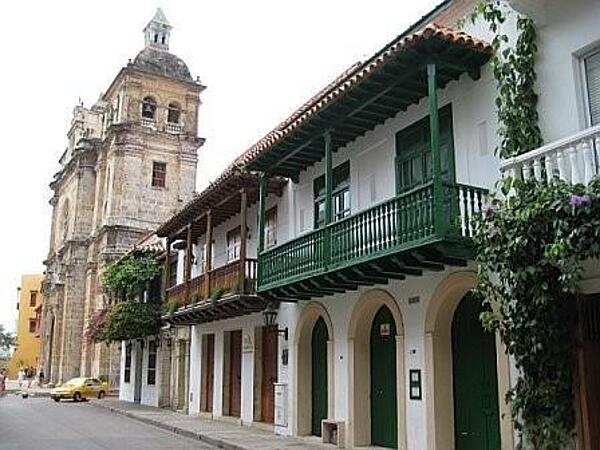
- Cartagena: A UNESCO World Heritage Site with colonial architecture and vibrant nightlife.
- Bogotá: Visit the Gold Museum, Monserrate Hill, and the historic La Candelaria district.
- Medellín: Explore the innovative city known for its art, culture, and transformation.
Unique Experiences
- Coffee Region: Tour coffee plantations in the scenic Eje Cafetero.
- Salt Cathedral of Zipaquirá: A stunning underground church carved from a salt mine.
- Barranquilla Carnival: Colombia’s most colorful festival, held annually in February or March.
Food and Cuisine
- Local Dishes:
- Arepas: Corn cakes served with cheese or meat.
- Bandeja Paisa: A hearty platter of beans, rice, meat, plantains, and avocado.
- Ajiaco: A chicken and potato soup popular in Bogotá.
- Drinks:
- Colombian coffee: Renowned for its rich flavor.
- Aguardiente: An anise-flavored alcoholic drink.
Shopping and Souvenirs
- Handicrafts: Wayuu bags and colorful hammocks.
- Emeralds: Colombia is one of the world’s largest producers of emeralds.
- Coffee: High-quality Colombian coffee is a must-buy.
Festivals and Events
- Barranquilla Carnival: One of the largest carnivals in the world, showcasing Colombian culture through music, dance, and costumes.
- Medellín Flower Festival: Held every August, featuring stunning flower displays.
- Bogotá International Film Festival: Celebrates global cinema in the capital city.
Suggested Itineraries
5-Day Itinerary
- Day 1: Explore Bogotá, including La Candelaria and Monserrate.
- Day 2: Fly to Medellín; visit Comuna 13 and the Museum of Antioquia.
- Day 3: Day trip to Guatapé and climb El Peñol Rock.
- Day 4: Travel to Cartagena; stroll through the walled city and enjoy local cuisine.
- Day 5: Relax on the beaches of Isla Barú or Rosario Islands.
10-Day Itinerary
- Combine the above with visits to Tayrona National Park, the Coffee Region, and Leticia for Amazon adventures.
Best Time to Visit
- Dry Seasons: December to February and July to August are ideal for most destinations.
- Rainy Seasons: March to May and September to November.
Connectivity
- Wi-Fi: Widely available in urban areas, especially in hotels and cafés.
- SIM Cards: Purchase a local SIM card for data; Claro and Movistar are reliable options.
- Apps to Download:
- Duolingo for Spanish basics.
- Google Translate for communication.
- Cabify or Uber for transportation.
Conclusion
Colombia is a destination that captivates with its diversity and charm. From vibrant cities and historical sites to breathtaking natural landscapes and warm, welcoming locals, it offers an unforgettable experience for every traveler. Whether you’re sipping world-class coffee, exploring the Amazon, or soaking in the Caribbean sun, Colombia is sure to leave a lasting impression.