Africa
ChadEmbark on a journey to Chad, a land that pulses with life and offers an authentic experience for the adventurous traveler. Known for its stunning landscapes, from the arid expanses of the Sahara Desert to the lush greenery of the Zakouma National Park, Chad is a treasure trove of natural beauty just waiting to be explored. Engage with the resilient communities that call this remarkable place home, where traditional customs and vibrant cultures come to life against a backdrop of breathtaking sunsets. As you navigate the winding paths and vibrant markets, immerse yourself in the stories of its people and the rhythms of daily life, creating memories that will linger long after you leave this captivating corner of Africa.


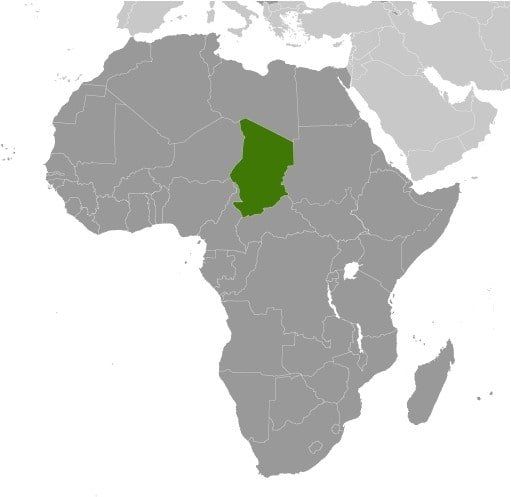
Comprehensive Travel Guide to Chad
General Information
- Capital City: N'Djamena
- Population: 19,093,595
- Currency: Central African CFA Franc (XAF)
- Time Zone: West Africa Time (WAT), UTC+1
- Official Language: French, Arabic
- Dialing Code: +235
- Driving Side: Right
Chad, known as the "Dead Heart of Africa," is a landlocked country that bridges the Sahara Desert in the north and the savannah in the south. Its diverse landscapes include lakes, deserts, and national parks, offering unique opportunities for adventure and cultural exploration.
Language and Communication
- Primary Languages: French and Arabic are the official languages. Over 120 local languages are spoken.
- Helpful Phrases in French:
- Hello: "Bonjour"
- Thank you: "Merci"
- How much?: "Combien ça coûte?"
- Tips: French is more commonly used in urban areas, while Arabic dominates in the north.
Emergency Numbers
- Police: 17
- Fire: 18
- Ambulance – 2251-1237.
Currency and Money
- Exchange Rate: 1 USD ≈ 600 XAF (subject to fluctuation).
- Credit Cards: Rarely accepted; carry cash in CFA Francs.
- ATMs: Limited to major cities like N'Djamena and often unreliable.
- Currency Exchange: Available at banks and authorized exchange bureaus.
Electricity and Plugs
- Voltage: 220 V
- Frequency: 50 Hz
- Plug Types: Type C and E (European-style plugs).
- Adapter Needed: Yes, if your country uses a different plug type.
Safety and Health
Safety
- Crime: Petty theft and pickpocketing occur, especially in N'Djamena.
- Conflict Zones: Avoid border areas and regions with ongoing conflicts.
- Travel Tips: Always travel with a local guide and avoid nighttime travel.
Health
- Healthcare: Basic facilities; advanced care is extremely limited.
- Vaccinations: Yellow fever vaccination is mandatory. Recommended vaccinations include hepatitis A and B, typhoid, and rabies.
- Water: Drink only bottled or boiled water.
Transportation
Getting Around
- Domestic Flights: Flights connect major cities and remote areas.
- Roads: Roads are often unpaved; a 4x4 vehicle is necessary for long journeys.
- Public Transport: Shared taxis and minibusses are common but unreliable.
Getting There
- Airport: N'Djamena International Airport (NDJ) is the main entry point.
Activities and Attractions
Natural Wonders
- Lake Chad: A vital water source and stunning natural site shared with neighboring countries.
- Zakouma National Park: Renowned for wildlife, including elephants, lions, and giraffes.
- Ennedi Plateau: A UNESCO World Heritage Site with dramatic rock formations and ancient rock art.
Cultural and Historical Sites
- National Museum of Chad: Located in N'Djamena, showcasing artifacts from Chad's rich history.
- Gaoui Village: Famous for its traditional architecture and pottery.
- Traditional Markets: Explore local crafts, fabrics, and spices in N'Djamena.
Food and Cuisine
Traditional Dishes
- Dersh: Meat stew often served with millet or rice.
- La Boule: A staple made from millet or maize.
- Jarret de Boeuf: Slow-cooked beef stew.
- Karkanji: A refreshing hibiscus tea.
Dining Tips
- Street food is common and affordable but ensure it’s freshly prepared.
- Tipping is appreciated but not mandatory.
Shopping and Souvenirs
- Handicrafts: Intricate pottery, jewelry, and wood carvings.
- Local Textiles: Traditional patterns and vibrant fabrics.
- Spices and Tea: Locally grown spices and hibiscus tea.
Festivals and Events
- Independence Day (August 11): Nationwide celebrations with parades and cultural performances.
- Gerewol Festival: A traditional Wodaabe celebration involving dance, music, and beauty contests.
- Cultural Festivals: Various ethnic groups host local festivals celebrating their heritage.
Suggested Itineraries
3-Day Itinerary
- Day 1: Explore N'Djamena, including the National Museum and central market.
- Day 2: Day trip to Gaoui Village for cultural immersion.
- Day 3: Visit Lake Chad for stunning landscapes.
7-Day Itinerary
- Days 1-2: N'Djamena and Gaoui Village.
- Days 3-5: Safari experience in Zakouma National Park.
- Days 6-7: Explore the Ennedi Plateau and its rock art.
Best Time to Visit
- Dry Season (November to April): Ideal for wildlife viewing and exploring remote areas.
- Rainy Season (May to October): Roads may become impassable, but landscapes are lush.
Connectivity
- Wi-Fi: Limited and mostly available in hotels and larger towns.
- SIM Cards: Purchase local SIMs from providers like Airtel or Tigo.
- Apps to Download:
- Maps.me (offline maps)
- Google Translate
- WhatsApp (for communication)
Conclusion
Chad offers a mix of stunning natural landscapes, cultural diversity, and adventure. While it requires thorough preparation due to its limited infrastructure and safety considerations, it rewards travelers with unique experiences and unspoiled beauty. Be sure to stay informed, travel with a guide, and enjoy all that Chad has to offer.