Africa
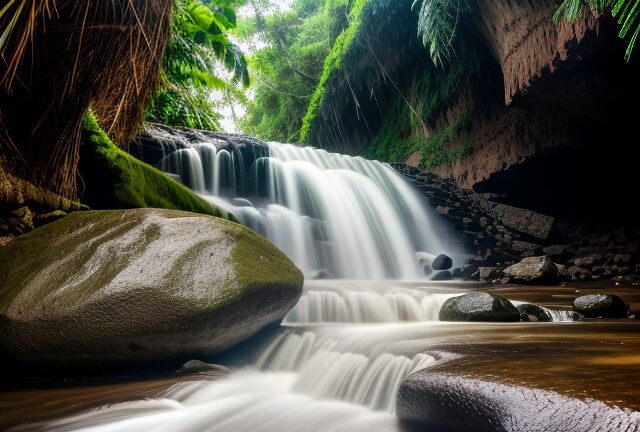
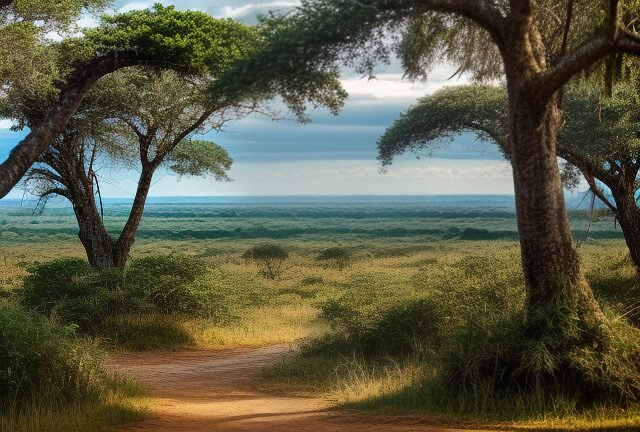
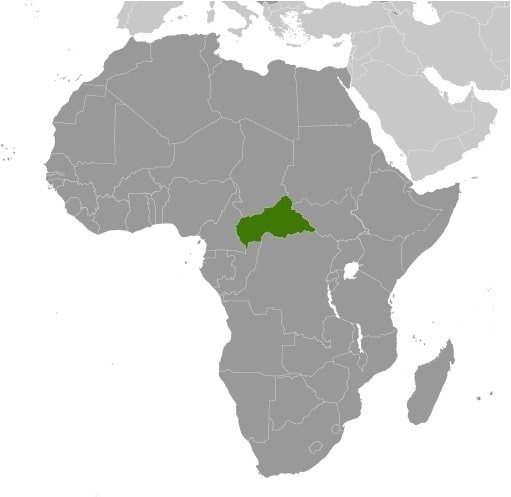
Central African RepublicNestled in the heart of Africa, the Central African Republic beckons adventurous souls to embark on a journey through its pristine landscapes and rich cultural tapestry, where the vibrant rhythms of traditional music resonate through vast savannas and lush jungles. Picture yourself meandering through the lively markets of Bangui, indulging in the delightful flavors of local dishes, or setting out on an exhilarating wildlife safari to encounter the majestic animals that roam freely in its stunning national parks. With a diverse mix of ethnic groups and languages harmoniously intertwined, this hidden gem presents an unparalleled opportunity for travelers yearning for authentic connections and memorable experiences in a land where nature and heritage blend beautifully, creating a truly idyllic travel destination.
Comprehensive Travel Guide to the Central African Republic
General Information
- Capital City: Bangui
- Population: 5,650,957
- Currency: Central African CFA Franc (XAF)
- Time Zone: West Africa Time (WAT), UTC+1
- Official Language: French, Sango (lingua franca)
- Dialing Code: +236
- Driving Side: Right
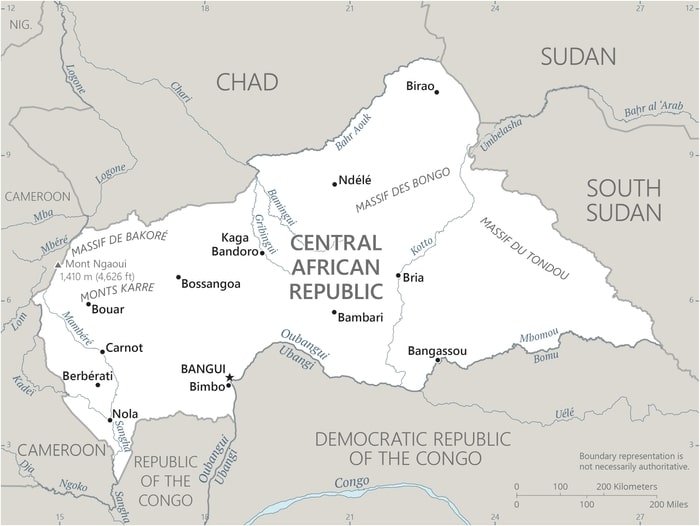
The Central African Republic (CAR) is a landlocked country in Central Africa, rich in natural beauty and biodiversity. Known for its dense rainforests, savannahs, and wildlife, CAR is a destination for the adventurous traveler seeking unspoiled nature and cultural immersion. However, visitors should remain informed about the country’s safety and stability.
Language and Communication
- Primary Languages: French and Sango are widely spoken.
- Helpful Phrases in Sango:
- Hello: "Bara mo"
- Thank you: "Wali ti mo"
- Excuse me: "Goyo ti mo"
- Tips: Carry a phrasebook or use translation apps as English is not commonly spoken.
Emergency Numbers
- Police: 117
- Fire: 118
- Ambulance: 1220
Currency and Money
- Exchange Rate: 1 USD ≈ 600 XAF (subject to fluctuation).
- Credit Cards: Rarely accepted; carry cash in CFA Francs.
- ATMs: Limited and primarily found in Bangui; often unreliable.
- Currency Exchange: Available in banks and some hotels in Bangui.
Electricity and Plugs
- Voltage: 220 V
- Frequency: 50 Hz
- Plug Types: Type C and E (European-style plugs).
- Adapter Needed: Yes, if your country uses a different plug type.
Safety and Health
Safety
- Crime: Theft and petty crimes are common, especially in urban areas.
- Conflict Zones: Certain regions are unsafe due to ongoing instability; check travel advisories before visiting.
- Travel Tips: Use local guides and avoid traveling at night.
Health
- Healthcare: Limited facilities; Bangui offers the best options, but they are still basic.
- Vaccinations: Yellow fever vaccination is mandatory. Others recommended include malaria prophylaxis, typhoid, and hepatitis A and B.
- Water: Drink only bottled or boiled water.
Transportation
Getting Around
- Domestic Flights: Limited availability; primarily for connecting remote areas.
- Roads: Roads are often in poor condition; 4x4 vehicles are recommended.
- Public Transport: Shared taxis and minibusses are common but can be crowded and unreliable.
Getting There
- Airport: Bangui M’Poko International Airport (BGF) is the main entry point.
Activities and Attractions
Wildlife and Nature
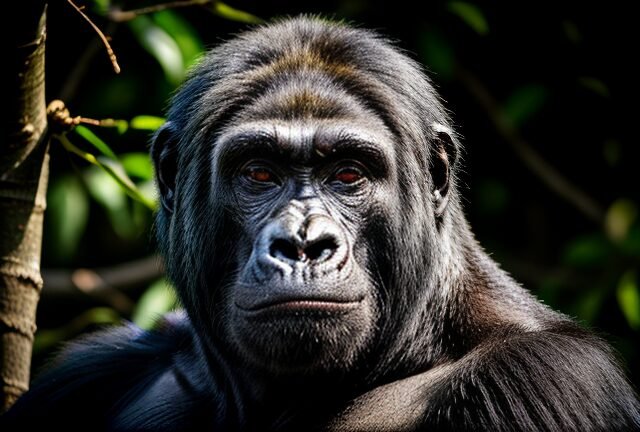
- Dzanga-Sangha Reserve: Home to lowland gorillas, forest elephants, and unique bird species.
- Chinko Nature Reserve: A haven for diverse wildlife, including lions, leopards, and African wild dogs.
- Lobaye Forest: Known for pygmy communities and rich biodiversity.
Cultural and Historical Sites
- Boganda National Museum: Located in Bangui, showcasing the country’s cultural artifacts and history.
- Local Markets: Experience vibrant markets like the PK-5 Market in Bangui.
- Traditional Villages: Explore the lifestyle and traditions of local communities.
Food and Cuisine
Traditional Dishes
- Muamba de Galinha: Chicken stew with palm butter and spices.
- Fufu: A starchy side dish made from cassava or plantain.
- Kanda: Meatballs made with ground peanuts.
- Ngoudja: Fish or meat stew served with vegetables and rice.
Dining Tips
- Street food is popular and affordable, but ensure it is freshly prepared.
- Tipping is not customary but appreciated for exceptional service.
Shopping and Souvenirs
- Handcrafted Items: Wood carvings, masks, and jewelry.
- Textiles: Colorful local fabrics.
- Coffee and Spices: Locally grown and flavorful.
Festivals and Events
- Independence Day (August 13): Celebrations with parades, music, and dances.
- Cultural Festivals: Often held in local communities showcasing traditional music and dances.
Suggested Itineraries
3-Day Itinerary
- Day 1: Explore Bangui, including the Boganda Museum and local markets.
- Day 2: Day trip to the Lobaye Forest for a cultural and natural experience.
- Day 3: Visit Dzanga-Sangha Reserve for wildlife viewing.
7-Day Itinerary
- Days 1-3: Bangui and Dzanga-Sangha Reserve.
- Day 4-5: Explore Chinko Nature Reserve.
- Day 6-7: Immerse yourself in local culture by visiting pygmy communities and traditional villages.
Best Time to Visit
- Dry Season (December to March): Ideal for wildlife viewing and outdoor activities.
- Rainy Season (April to November): Lush landscapes but challenging travel conditions.
Connectivity
- Wi-Fi: Limited and mostly available in hotels.
- SIM Cards: Purchase local SIMs from providers like Orange or Telecel.
- Apps to Download:
- Maps.me (offline maps)
- Google Translate
- WhatsApp (for communication)
Conclusion
The Central African Republic offers unparalleled opportunities to explore pristine nature, wildlife, and vibrant culture. While it is a destination for seasoned travelers due to its challenges, the rewards are immense for those seeking a unique and off-the-beaten-path adventure. Thorough planning and adherence to safety guidelines will ensure a memorable experience in this captivating country.